
Investigators


Tom Blydt-Hansen
Investigator, BC Children’s Hospital
Director, Pediatric Multi Organ Transplant Program, BC Children’s Hospital
Tom Blydt-Hansen
Investigator, BC Children’s Hospital
Director, Pediatric Multi Organ Transplant Program, BC Children’s Hospital
- Research Areas: Kidney Transplantation, Kidney Tests
- tom.blydthansen@cw.bc.ca
Kidney transplantation is a life-saving treatment for children with end-stage kidney failure. A major threat to success is rejection, where the body’s immune system attacks and destroys the transplanted kidney. If rejection isn’t treated early, it results in permanent injury that can lead to loss of the transplant and a return to dialysis. Currently, tests that monitor kidney function will miss early or mild rejection. Instead, we screen with repeated kidney biopsies, which are risky and unpleasant.
This research program will use proven techniques to identify signs of kidney injury and rejection in the urine of children who have had a kidney transplant. It will focus on the first year after transplant, since this is the highest risk for rejection. We will look for metabolites and chemokines that we have tested before to identify when injury or rejection is present. Metabolites are small molecules produced by our cells as part of their function or as waste products. Chemokines are a different type of molecule that is produced by our immune system to signal inflammation. We already know some of the changes that occur with rejection. We now plan to validate that the same changes are present in other Canadian children with kidney transplants.
We will ask children with a new kidney transplant and their families to participate in this study. They will provide a urine sample for analysis whenever they have a kidney biopsy and also at regular intervals after transplant. We will verify the metabolite and chemokine levels that are linked to rejection, and could predict rejection in other children. Once it has been refined, we will determine whether it improves outcome by using it as a test for real-time monitoring and limit our use of regular kidney biopsies. We hope to demonstrate that this will improve the accuracy to detect rejection early, reduce the number of biopsies and improve the health and long-term kidney function of children with a transplant.

Kathryn Armstrong
Investigator and Pediatric Cardiologist, BC Children’s Hospital
Kathryn Armstrong
Investigator and Pediatric Cardiologist, BC Children’s Hospital
- Research Areas: Autonomic Nervous System Disorders, Body Weight, Cardiac Arrest, Cardiomyopathy, Heart Transplantation
- kathryn.armstrong@cw.bc.ca
As a pediatric cardiologist with a specialist interest in heart function and transplant medicine I am interested in disease processes and management of children with end stage heart failure and pediatric heart transplantation. Specifically I am interested in the long term follow up of these children. I have a long standing interest in exercise physiology and quality of life especially in children following heart transplant. I am also interested in the autonomic nervous system and the benefit of exercise in children with dysautonomia.
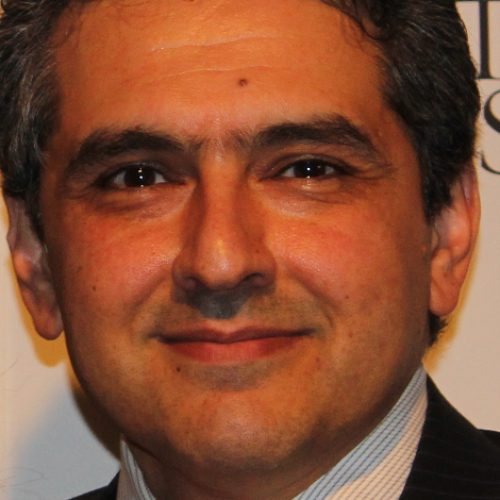
Kourosh Afshar
Investigator and Associate Chief of Surgery, BC Children’s Hospital
Kourosh Afshar
Investigator and Associate Chief of Surgery, BC Children’s Hospital
Co-lead, Clinical Practice, Outcomes and Innovation, BC Children’s Hospital
- Research Areas: Appendicitis, Neural Tube Defects
- maryam.noparast@cw.bc.ca
I am a clinician-scientist and pediatric urologist dedicated to improving the lives of children and adolescents with conditions affecting the urinary and reproductive systems. As a clinician, I provide expertise in the diagnosis, treatment, and surgical management of pediatric urologic conditions. As a scientist, my research focuses on bladder dysfunction, urinary tract infections, and non-invasive approaches to diagnosing urologic disorders in children, with the goal of improving patients’ health and quality of life. I also strive to reduce the pain and discomfort associated with diagnostic testing for urinary conditions.
My primary research interests include surgical clinical trials, applications of emerging technologies in urology, and systematic reviews and guideline development. I am also an associate member of the School of Population and Public Health at the University of British Columbia.
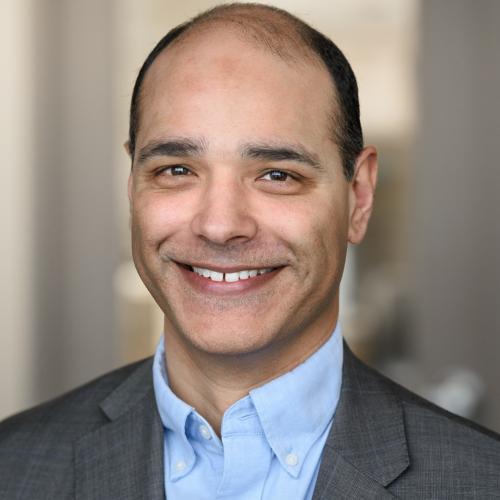
Manish Sadarangani
Investigator, BC Children’s Hospital
Director, Vaccine Evaluation Center, BC Children’s Hospital
Manish Sadarangani
Investigator, BC Children’s Hospital
Director, Vaccine Evaluation Center, BC Children’s Hospital
Sauder Family Chair in Pediatric Infectious Diseases, University of British Columbia
- Research Areas: Childhood Immunization, Clinical Trials, Immunization, Meningitis, Pneumonia, Sepsis
- msadarangani@bcchr.ubc.ca
The aim of our research at the Vaccine Evaluation Center (VEC) is to lower the burden of childhood infectious disease through vaccination by building an evidence base for local, national and international vaccine policy. My research program includes laboratory studies to develop new and better vaccines, clinical trials to identify how best to utilize new and approved vaccines, and population-based investigations to identify targets for new vaccines and demonstrate vaccine impact.
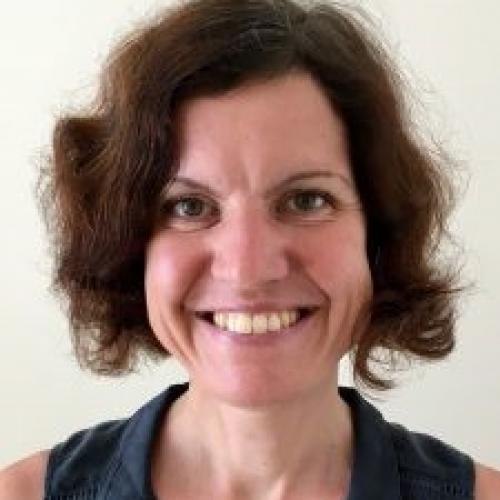
Hana Mitchell
Investigator and Infectious Disease Pediatrician, BC Children’s Hospital
Hana Mitchell
Investigator and Infectious Disease Pediatrician, BC Children’s Hospital
- Research Areas: Childhood Immunization, Immunization, Organ Transplantation
- hmitchell@bcchr.ca
I am an infectious disease pediatrician with special interest in translating research findings into day-to-day clinical practice and preventing infections in immunocompromised children.
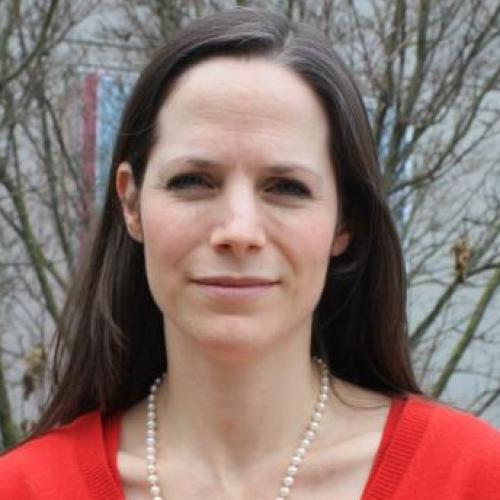
Alice Virani
Director, Clinical Ethics Service, PHSA
Alice Virani
Director, Clinical Ethics Service, PHSA Clinical Assistant Professor, Dept. of Medical Genetics, UBC
- Research Areas: Genetics, Genomic Medicine, Clinical Research Ethical Issues
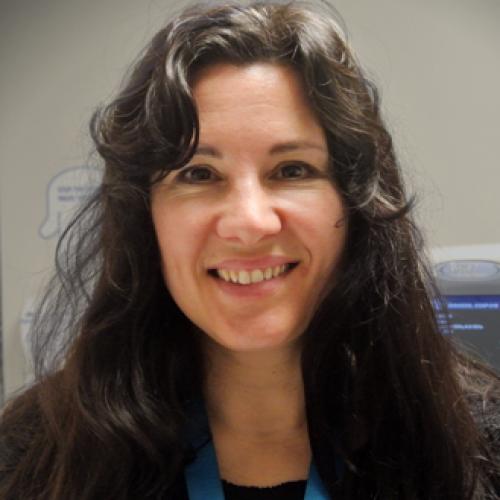
Anita Cote
Affiliate Investigator, BC Children’s Hospital
Anita Cote
Affiliate Investigator, BC Children’s Hospital
Assistant Professor, School of Human Kinetics at Trinity Western University
- Research Areas: Healthy Living, Rehabilitation
- acote@bcchr.ca
My research explores how exercise affects the development of the heart and arteries. While substantial evidence exists demonstrating the beneficial effects of physical activity on cardiovascular disease risk, we do not have a clear understanding of how regular exercise can change the structure and function of our heart and vascular system, and how this differs in men and women. Gaining knowledge in this area is important for us to effectively prescribe exercise for the prevention or treatment of cardiovascular disease.
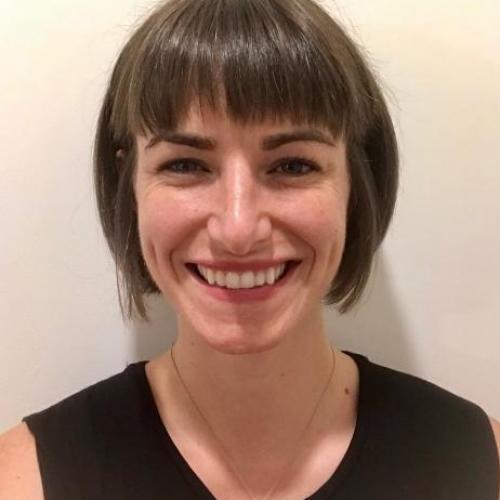
Katie Haubrich
Investigator, BC Children’s Hospital
Katie Haubrich
Investigator, BC Children’s Hospital
Clinical Pharmacy Specialist, Nephrology and Solid Organ Transplant, BC Children’s Hospital
- Research Areas: Chronic Kidney Disease, Dialysis, Health Literacy, Kidney Diseases, Organ Transplantation, Pharmaceutical Research, Pharmacy Research
- kathryn.haubrich@cw.bc.ca
Dr. Katie Haubrich’s research focuses on optimizing medication use and outcomes in children with chronic kidney disease and solid organ transplant. Her current work focuses on understanding how transplant medications behave in the body (immunosuppressant pharmacokinetics), informing individualized dosing strategies to enhance safety and effectiveness. She also studies health literacy and eHealth approaches, examining how pharmacists and health-care teams communicate medication-related information and how digital tools can support patients and families in understanding and managing complex therapies.
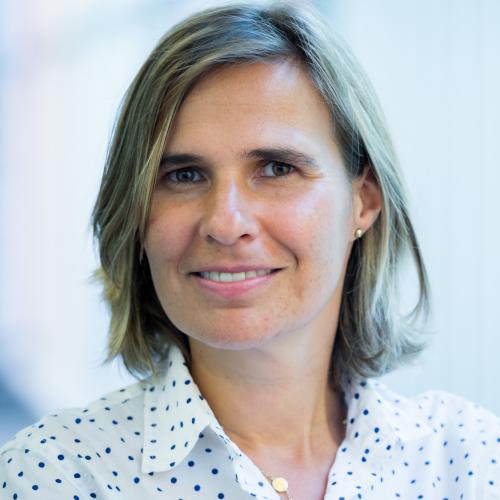
Suzanne Vercauteren
Investigator, BC Children’s Hospital
Suzanne Vercauteren
Investigator, BC Children’s Hospital
Clinical Associate Professor, Department of Pathology and Laboratory Medicine, Faculty of Medicine, University of British Columbia
- Research Areas: Cancer in Children
Patient’s samples are for translational research what gas is for a car: the driving force! During my research career I have always been aware of the value of patient samples for research and the difficulty of obtaining these samples in a systematic and ethical manner. This was largely due to an ineffective and inconsistent process of BioBanking and not the lack of enthusiasm from patients to donate. Therefore, I started the CCBR BioBanking initiative which started storing the first patient samples in September 2011. This initiative has quickly taken root and other departments at C&W and BCCHR have joined. It is our hope to establish institutional BioBanking mechanisms to develop a standardized and ethical method of consenting, processing samples, and storing health information.
For more information about the BioBank initiative you can go to the following website: bcchr.ca/biobank
Minimal Residual Disease testing
Minimal Residual Disease (MRD) is the name given to small numbers of malignant cells that remain in the patient during or after treatment when the patient has no signs or symptoms of the disease. It is very important to see whether patients still have MRD as it may mean they need more or different treatments. Flow cytometry methods look at markers on the cell surface of cells or inside the cell. Malignant cells often have a different expression pattern of markers compared to normal cells and therefore using this method we can distinguish between normal and malignant cells in a large number of patients with acute lymphoblastic leukemia (ALL).
In our laboratory we routinely test all patients with ALL for MRD at day 8 in their blood and Day 29 in bone marrow by a method called flow cytometry. We are currently investigating new markers to detect MRD more specifically and in more patients with ALL. We are also working on a method to detect MRD in patients with Acute Myeloid Leukemia (AML). In addition, we are doing research in collaboration with Dr. Strahlendorf and Dr. Tanya Brown to see whether we can detect minimal disease as well as MRD in the bone marrow of patients with a solid tumor called neuroblastoma.
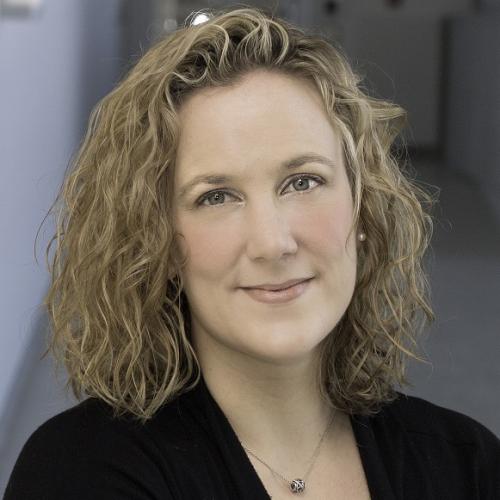
Julie Robillard
Investigator, BC Children’s Hospital
Julie Robillard
Investigator, BC Children’s Hospital
Associate Director, National Core for Neuroethics
Scientist, Patient Experience, BC Children’s and BC Women’s Hospital + Health Centre
Assistant Professor, Department of Medicine, Faculty of Medicine, University of British Columbia
- Research Areas: Artificial Intelligence, Biomedical Ethics, Mental Health, Neuroscience, Social Media
- jrobilla@mail.ubc.ca
Dr. Julie Robillard is a Scientist in Patient Experience at BC Children’s and Women’s Hospital (C&W) and an Associate Professor of Neurology at the University of British Columbia (UBC). She is a faculty member Neuroethics Canada and an affiliated researcher with the BC Children’s Hospital Research Institute, the Women’s Health Research Institute, the Djavad Mowafaghian Centre for Brain Health, and Vancouver Coastal Research Institute.
Dr. Robillard leads the Neuroscience, Engagement and Smart Tech (NEST) lab at BC Children’s Hospital where she brings her background in neuroscience and biomedical ethics to the evaluation and development of social technologies to support brain health across the lifespan. Together with her team and through international interdisciplinary collaborations, she is exploring co-creation processes, development and applications of social technologies including social robots and social media, and ethical considerations around the implementation of social technologies in brain health care.
Dr. Robillard is passionate about patient engagement and in her role as a Scientist in Patient Experience she is working with a number of groups at C&W and UBC to advance the capture, analysis and improvement of patient experience in both research and care. She is interested in using technology to provide novel means of engagement and patient experience evaluation strategies.
To find out more about Dr. Robillard’s research, please visit the Neuroscience, Engagement and Smart Tech lab website [https://www.nestlab.ca/]
For full list of publications, please see Dr. Robillard’s Google Scholar profile [https://bit.ly/robillardgoogle]

Soojin Kim
Investigator and Pediatric Urologist, BC Children’s Hospital
Soojin Kim
Investigator and Pediatric Urologist, BC Children’s Hospital
Clinical Assistant Professor, Department of Urologic Sciences, Faculty of Medicine, University of British Columbia
- Research Areas: Kidney Diseases, Surgery
- soojin.kim@cw.bc.ca
Disseminating and implementing research outcomes to benefit our patients is one of the barriers in improving patient care. My research focus is on patient-centred outcomes and quality improvement research because they form an intimate relationship with our patients, evaluating all direct and indirect factors that affect patients’ health service experience.

Li Wang
Investigator and Medical Biochemist, BC Children’s Hospital
Li Wang
She/Her
Investigator and Medical Biochemist, BC Children’s Hospital
Chair, BCALP Biochemistry Science Section
President, Canadian Association of Medical Biochemists
- Research Areas: Allergy, Kidney Transplantation
- li.wang@cw.bc.ca
As a medical biochemist, my research focuses on developing and validating new laboratory biomarkers for the diagnosis and prognosis of different diseases. Based on clinical and laboratory standards institute guidelines, I am interested in bringing these novel biomarkers to clinical laboratories which would meet the laboratory accreditation standards. Currently, I am conducting research related to transplantation immunology and peanut allergy. I am also interested in auditing how laboratory tests are utilized in healthcare systems and promote the cost-effectiveness of laboratory tests with evidence-based medicine.
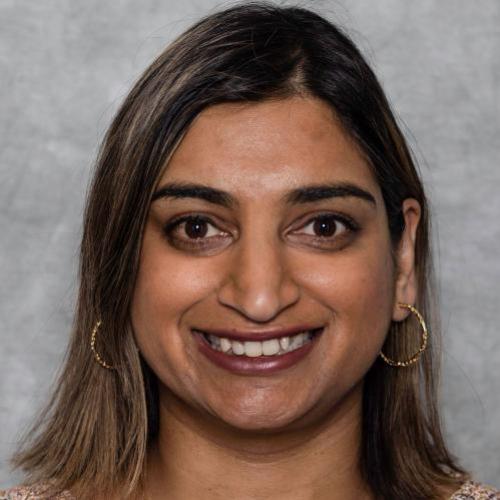
Astrid De Souza
Affiliate Investigator and Clinical Exercise Physiologist, BC Children’s Hospital
Astrid De Souza
Affiliate Investigator and Clinical Exercise Physiologist, BC Children’s Hospital
Clinical Instructor, Division of Cardiology, Department of Pediatrics, Faculty of Medicine, University of British Columbia
- Research Areas: Congenital Heart Defects, Digital Health, Exercise and Physical Fitness, Exercise for Children, Heart Diseases, Organ Transplantation, Pediatrics
- adesouza2@cw.bc.ca
My research is focused on how exercise affects children with heart disease and other childhood diseases. Specifically, our group studies how exercise affects health outcomes, how it can be used as a tool to treat patients, and how behavioural change strategies are needed to help patients make changes to their exercise habits. I am also involved in work that looks at the use of digital health tools to deliver exercise programs, change behaviours and provide more comprehensive care for patients and their families. Finally, our group is involved at looking at the environmental impact and costs associated with travel to BC Children’s Hospital.