Team
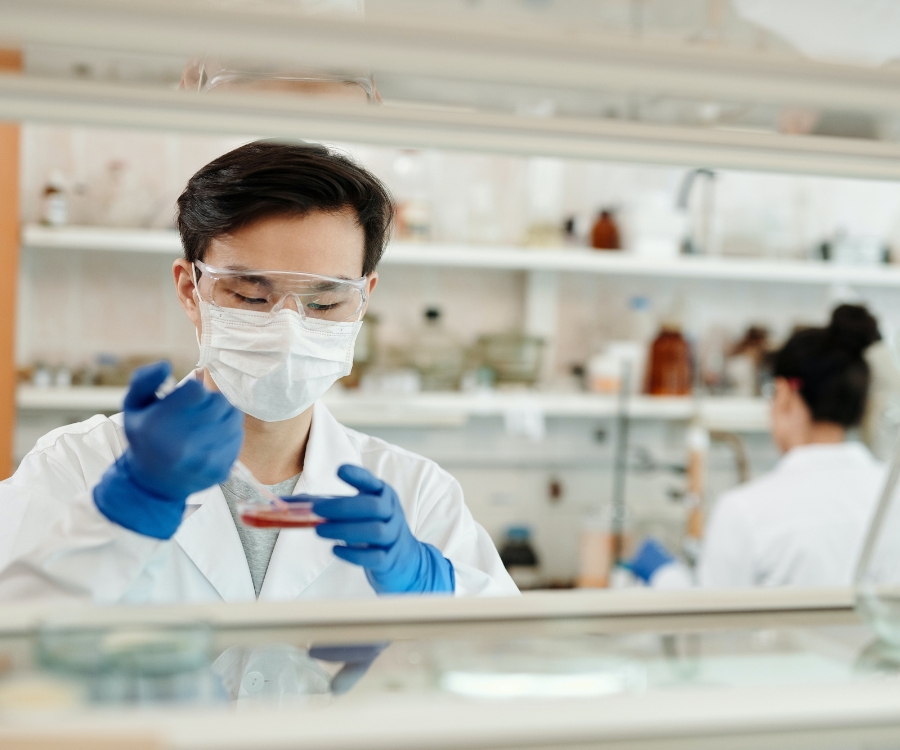
Researchers in the Vallance Lab
The Vallance Lab team is made up of Graduate and Undergraduate Students, Postdoctoral Fellows, Research Associates, and Lab Technicians.
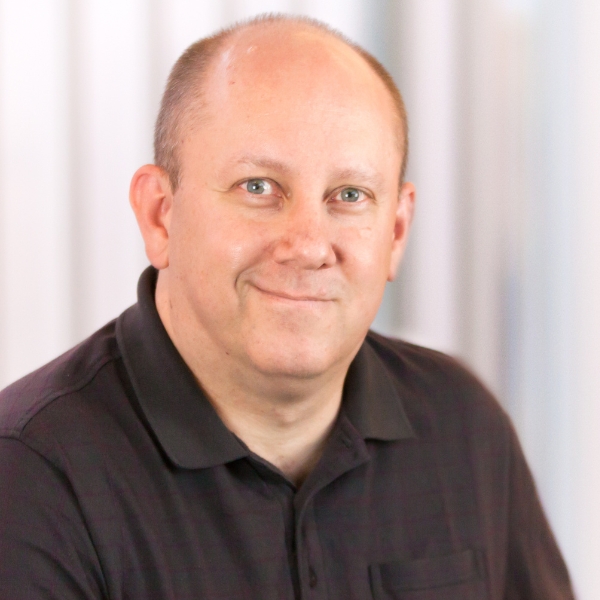
Dr. Bruce Vallance
Principal Investigator
Dr. Vallance completed his PhD training in gastrointestinal inflammation at McMaster University in Hamilton, Ontario, and then moved to Vancouver in 1999 to pursue his postdoctoral studies on disease-causing bacteria. Dr. Vallance was recruited to the University of British Columbia and BC Children’s Hospital as assistant professor in 2003. He has won numerous awards and currently holds the CHILD Foundation Chair in Pediatric Gastroenterology. Dr. Vallance’s research focuses on microbe-host interactions within the intestine, including defining the role that gut microbes play in causing chronic intestinal inflammation, as seen in Inflammatory Bowel Disease patients. Dr. Vallance is responsible for overseeing Gut4Health and fulfilling its mandate to become a key resource for microbiome researchers throughout Vancouver.
Awards
• Canada Research Chair in Pediatric Gastroenterology (Tier II) – 2004-2009
• CH.I.L.D. Foundation Chair in Pediatric Gastroenterology – 2013-ongoing
• Canadian Children Inflammatory Bowel Disease Network, CIHR and CH.I.L.D Foundation – 2013
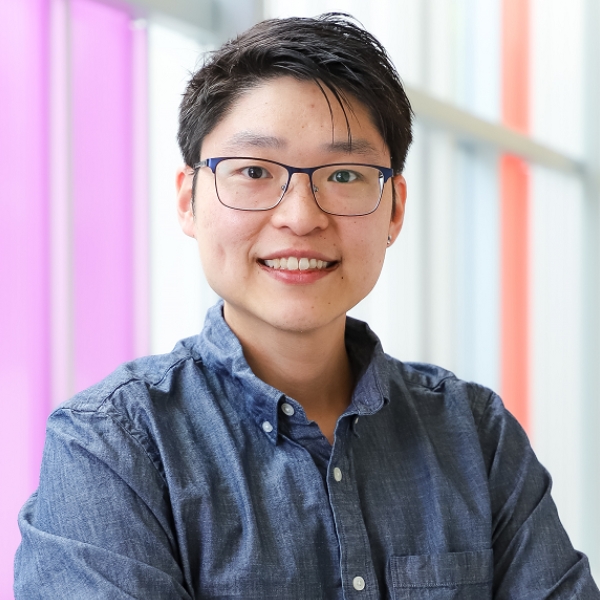
Dr. Andy Sham
Gut4Health Project Manager
Dr. Andy Sham
Gut4Health Project Manager
Dr. Andy Sham is the project manager for the Gut4Health Microbiome Core facility. Dr. Sham grew up in Vancouver, where he attended the University of British Columbia (BSc in Cell Biology and PhD in Experimental Medicine). His PhD research focused on bacterial pathogens and the interplay between bacteria and host at the gut lining to maintain intestinal health. He continued his research training as a Postdoctoral Research Fellow at Harvard Medical School where he studied how small molecules resolve inflammation in the lungs. After returning to Vancouver from Boston, he worked as a research scientist with a local biotech company where he led their research team in developing new drugs for the treatment of inflammatory bowel disease. Dr. Sham is responsible for conceiving and developing projects as well as the general operations for the core.
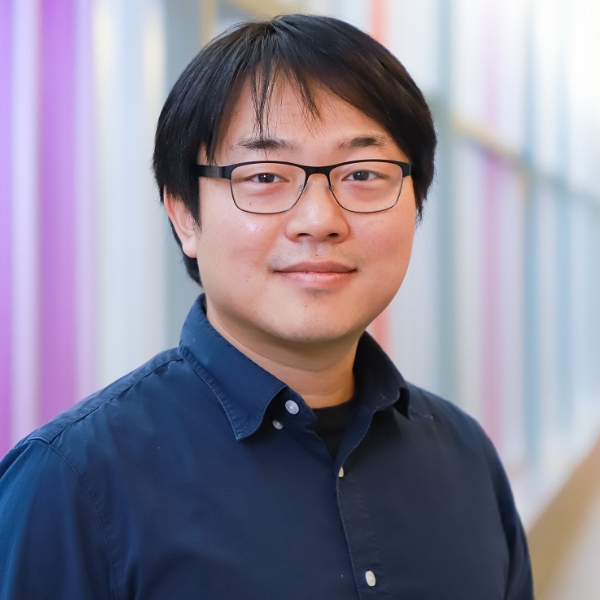
Dr. Hyungjun Yang
Research Associate
Dr. Hyungjun Yang
Research Associate
I am a research associate specializing in mucosal immunology and animal model. I have been studying immune responses to bacterial infection at mucosal sites. Also, I’m interested in establishing an animal model for human-oriented pathogens. Currently, I am focusing on E. coli pathobionts isolated from UC patients and how pathobionts contribute to intestinal inflammation through the mucus barrier impaired by genetic or environmental factors.
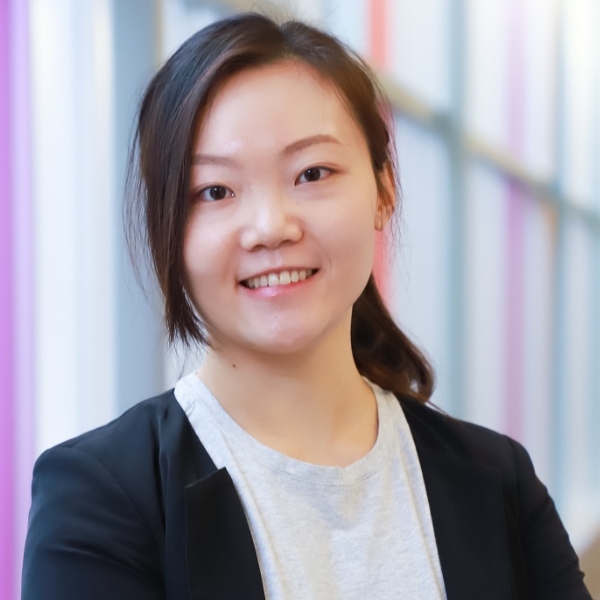
Dr. Qiaochu Liang
Research Associate
Dr. Qiaochu Liang
Research Associate
My current work focuses on characterizing epithelial barrier functions in both healthy and diseased conditions, with a particular emphasis on the mucus-epithelium interface and the impact of enteric infections, inflammatory bowel disease (IBD), and gut dysbiosis. I have developed multidisciplinary approaches to investigate host mucosal responses and the complex host-microbiota-pathogen interactions in mouse and organoid models at both cellular and molecular levels. Additionally, I work on projects aimed at building and optimizing in vitro multi-cell type platforms using patient-derived primary cell organoids for disease modeling and therapeutic testing.
Dr. Lauren Davis
Research Associate
Dr. Lauren Davis
Research Associate
I am a Research Associate in the Vallance Lab. I completed my PhD at the University of Birmingham (UK) and a postdoctoral fellowship at the University of British Columbia, where I developed and used two- and three-dimensional models of human lung tissue to investigate why lung disease progresses.
I am fascinated by how organs like our gut and lung maintain balance despite constant exposure to the outside world, and what happens when this balance is disrupted. Motivated by the potential of advanced cell culture technologies to answer these questions, I joined the Vallance Lab. Here, I am working to expand the ways we use 3-dimensional ‘mini-gut’ organoids to recreate aspects of the human intestine in the lab. I am also establishing organoid models of other tissues, such as the salivary gland and esophagus.
These organoid derived systems allow us to study complex biological interactions in a human-relevant and patient-specific way. For example, we can explore how bacteria from the human microbiome interact with the gut lining, and how inflammation and cell death progress in the salivary gland during autoimmunity.
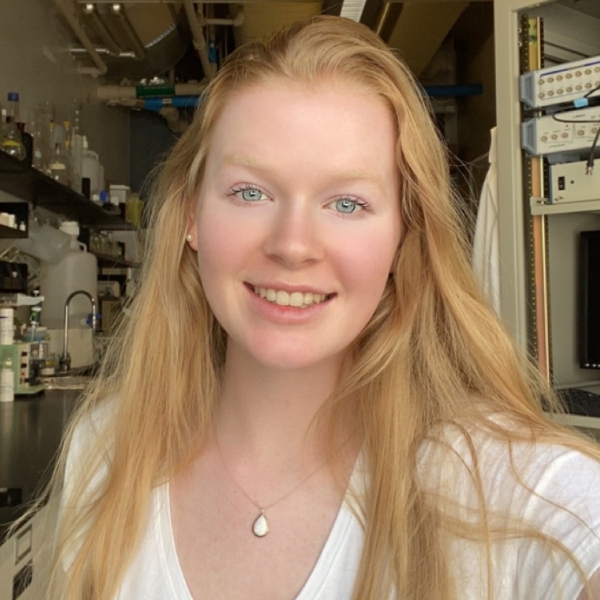
Dr. Hannah Wood
Postdoctoral Fellow
Dr. Hannah Wood
Postdoctoral Fellow
Hi! I’m Hannah, a farm girl born and raised in rural Ontario. I completed my PhD in the microbiome-gut-brain axis field at Queen’s University in Kingston, ON. My PhD was incredibly fruitful, not only academically, but also personally, in terms of discovery and maturity. I learned a lot about myself and my interests. My PhD research explored how the luminal contents (mostly microbial) release enzymes to drive abdominal pain signalling in IBD. From there, I was able to identify specific bacteria and their enzymes as candidate targets to ameliorate abdominal pain in IBD. Knowing I loved science and chasing the inherent questions that come with scientific exploration, I decided to pursue a postdoctoral fellowship. I knew I wanted to continue with gastrointestinal research and my specialty in IBD, which is how I ended up in Bruce Vallance’s lab. My current research focuses on how microbes interact with the intestinal mucus barrier, how dietary factors influence mucus barrier function, and how chronic inflammation may induce lasting epigenetic changes within the intestinal epithelium. Ultimately, I hope my research will contribute to a better understanding of the mechanisms underlying intestinal health and disease, and to the development of new therapeutic approaches for patients with gastrointestinal disorders. Outside of the lab, my husband and I love spending time outdoors with our two dogs, whether we’re hiking new trails or enjoying a day at the beach. On quieter days, you’ll usually find me reading a good book, playing video games, or enjoying a movie night at home.
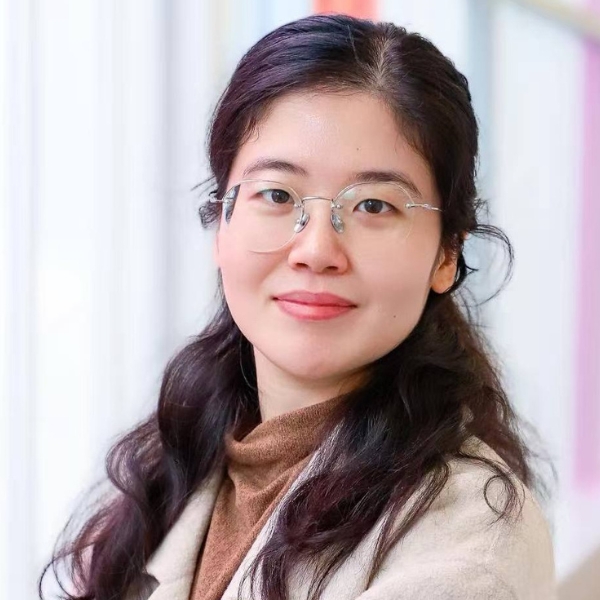
Dr. Yaqi Zhang
Postdoctoral Fellow
Dr. Yaqi Zhang
Postdoctoral Fellow
Dr. Yaqi Zhang’s journey in science began with a fascination for how the gut influences whole-body health. During her PhD in pharmaceutics, she developed gut-targeted therapies to help people with diabetes better manage their blood sugar. Now, as a postdoctoral fellow at the University of British Columbia, she studies how disruptions in bile acid signaling and mitochondrial function contribute to Crohn’s disease. Using human intestinal-derived models, Yaqi aims to uncover mechanisms that could inform new translational therapies for restoring gastrointestinal balance. Outside the lab, she stays active and curious through badminton, cycling, running, and camping, always exploring, whether in nature or in science.
Awards
• TRIANGLE Postdoctoral Award (AMPLIFY & ENRICH), 2026–2028
• BCCHR Childhood Diseases Transition Grant, 2026–2027
• The Beijing Outstanding Graduates, 2024
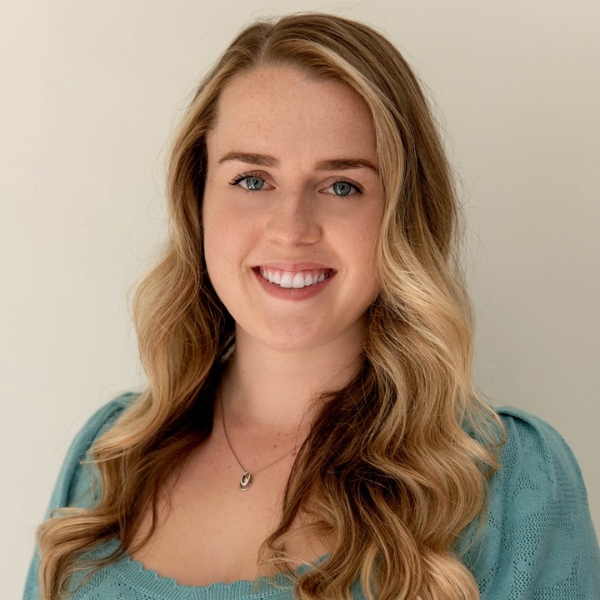
Ashley Gilliland
PhD student
Ashley Gilliland
PhD student
In 2022, I moved back home to Vancouver to begin my doctoral studies at UBC in the Vallance lab after completing a BSc (Hons) and MSc in Microbiology at the University of Alberta. My doctoral research focuses on Escherichia coli pathobionts (commensal bacteria with pathogenic potential) isolated from ulcerative colitis (UC) patients and their interactions with the mucosal barrier. To investigate these interactions, I will use 3D organoid culture, organoid-derived monolayers, and relevant IBD mouse models. The goal of my research is to identify the mechanisms E. coli pathobionts use to cross the protective mucus layer, thus allowing them access to the colonic epithelium to promote and/or exacerbate disease.
Awards
• Canadian Institutes of Health Research Doctoral Research Award: Canada Graduate Scholarships (CIHR CGS-D)
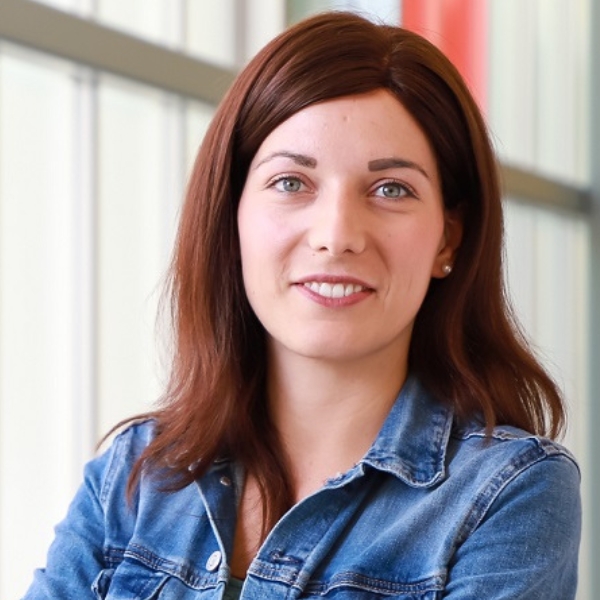
Franziska Graef
PhD Student
Franziska Graef
PhD Student
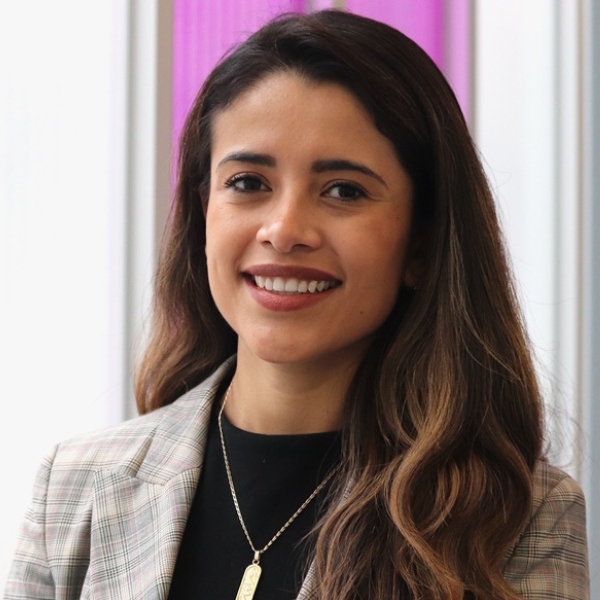
Maira Jiménez Sánchez
PhD Student
Maira Jiménez Sánchez
PhD Student
Immune and inflammatory illnesses, such as inflammatory bowel disease (IBD) and multiple sclerosis (MS), are increasing in Western society due to changes in modern lifestyle: overuse of antibiotics and reduced exposure to sunlight, including ultraviolet B (UVB) light. My work focuses on how UVB light exposure on the skin affects gut homeostasis in mice. Specifically, we want to determine if UVB light exposure can prevent or treat inflammatory diseases such as IBD through vitamin D and the aryl hydrocarbon receptor.
Awards
• CONACYT (Mexican National Council of Science and Technology) PhD award, 2021
Diana Giron-Ceron
PhD student
Diana Giron-Ceron
PhD student
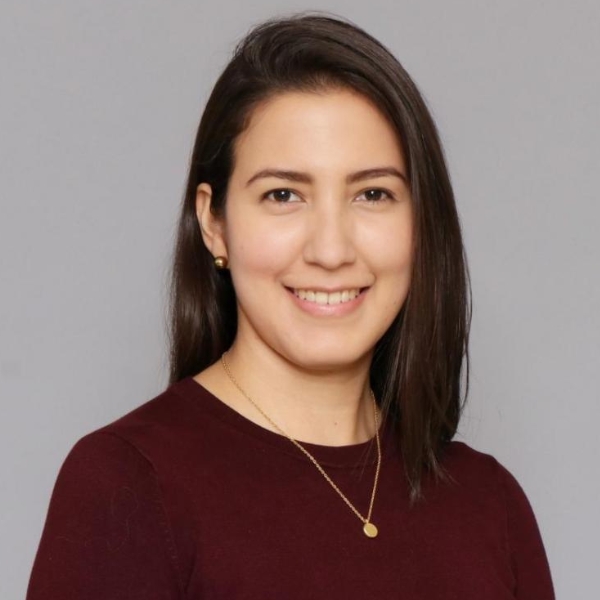
I am a clinical microbiologist and medical laboratory scientist with an MSc in Molecular Biology and Biochemistry. Building on my longstanding interest in immunology and host-pathogen interactions, I joined the Vallance Lab to pursue doctoral training. My research explores how the intestine protects itself from harmful bacteria and how this defense becomes compromised in inflammatory bowel disease. I focus on immunoglobulin A (IgA) and the polymeric immunoglobulin receptor (pIgR), which transports IgA across the intestinal epithelium. At the mucosal surface, IgA strengthens the mucus barrier and limits direct contact between bacteria and epithelial cells. Disruption of this pathway may contribute to impaired barrier function, inflammation, and tissue damage. Using mouse- and human-derived intestinal organoids, known as “mini-guts,” I investigate how impaired IgA transport affects mucosal barrier function and intestinal inflammation, with a particular focus on ulcerative colitis. Through this work, I aim to define the role of IgA-mediated mucosal immunity in maintaining intestinal homeostasis.
Awards
• Four Year Doctoral Fellowship (2024), University of British Columbia.
James Sousa
PhD student
James Sousa
PhD student
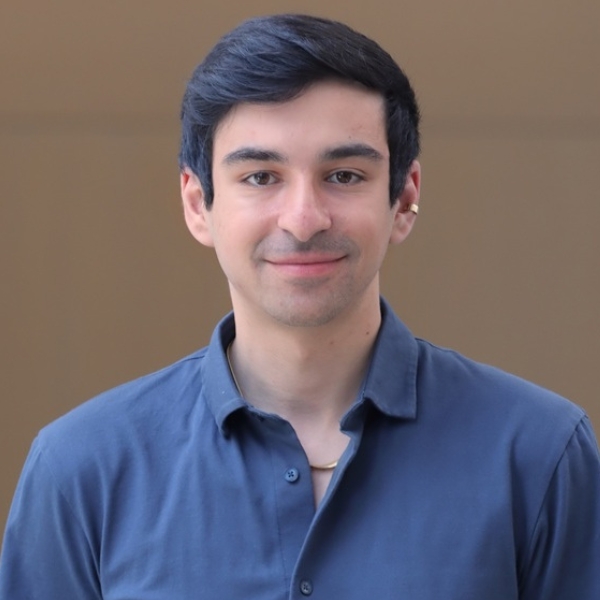
I am a PhD student in the Experimental Medicine program co-supervised by Dr. Genelle Lunken and Dr. Bruce Vallance. I came to study at the University of British Columbia after completing an MSc at the University of Calgary exploring the effects of a dietary intervention on macrophage function in patients with Crohn’s disease. My research interest lies in addressing the role of the host-diet-microbiome interaction in Crohn’s disease using techniques such as confocal imaging and intestinal organoids.
Outside of the lab, I am an active member of the local Crohn’s and Colitis Canada chapter and enjoy hiking and playing card games in my free time.
Lanyang Li
PhD student
Lanyang Li
PhD student
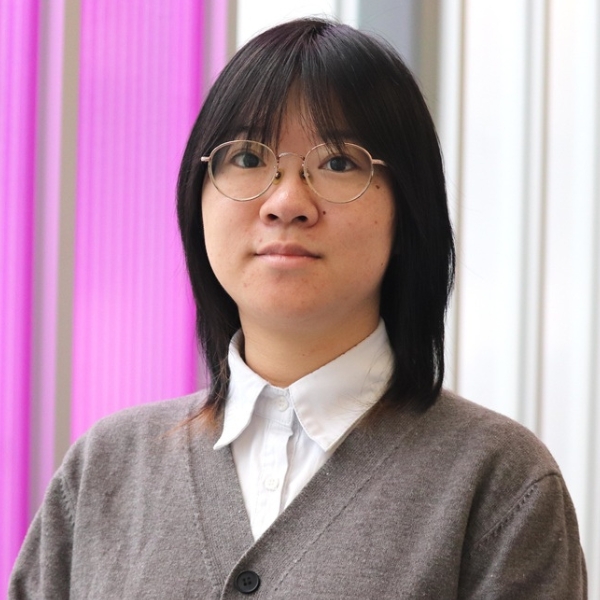
After earning my master’s degree, I spent three years working in the pharmaceutical industry, where I began working with 3D organoids. This experience motivated me to pursue further education, ultimately leading me to join the Vallance Lab. My current research focuses on developing a small intestine air-liquid interface (ALI) model to mimic the in vivo functional characteristics of the small intestine. Additionally, I am investigating the interactions between Enteropathogenic E. coli (EPEC) and the small intestine, specifically how EPEC passes through mucus and utilizes mucin sugars.
Shokufeh Sorboni
PhD Student
Shokufeh Sorboni
PhD Student
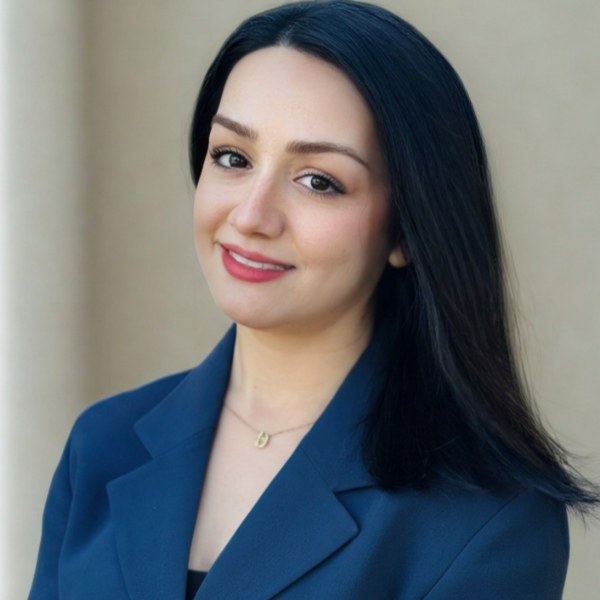
Fasting is well known for its metabolic benefits, yet little is understood about how it influences the intestinal mucus barrier. This question led me to study how fasting shapes the relationship between the host and its gut microbiota. Using healthy and mucin-deficient mouse models, I investigate how the mucus barrier adapts during fasting and how these adaptations help maintain intestinal homeostasis. My long-term goal is to translate these findings into dietary approaches that promote intestinal health.
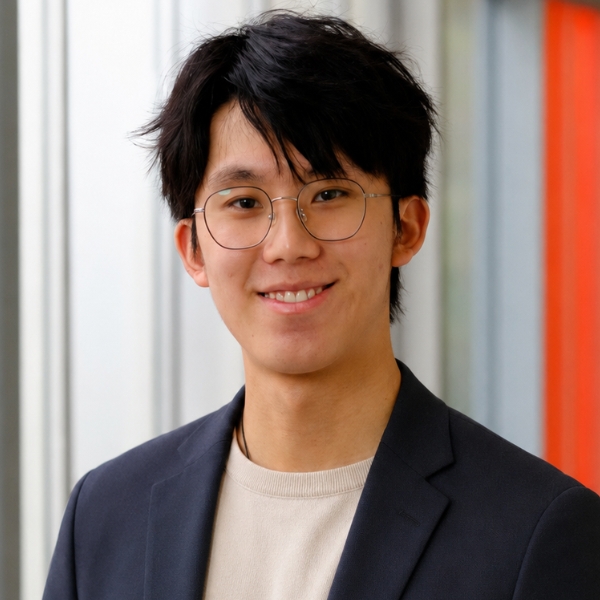
Clarence Huang
PhD Student
Clarence Huang
PhD Student
I am an Msc student at the University of British Columbia at the Experimental Medicine program. My research focuses on unraveling the intricate interplay between Muc2-linked free monosaccharides and the colonization dynamics of Citrobacter rodentium in the murine intestine. Specifically, I investigate the roles of Galactose, GlcNAc, and NeuNAc in bacterial expansion. My current pursuits include confirming the fitness attenuation of a mutant strain deficient in mucus sugar utilization and exploring the individual and collective impacts of Muc-2 sugars.
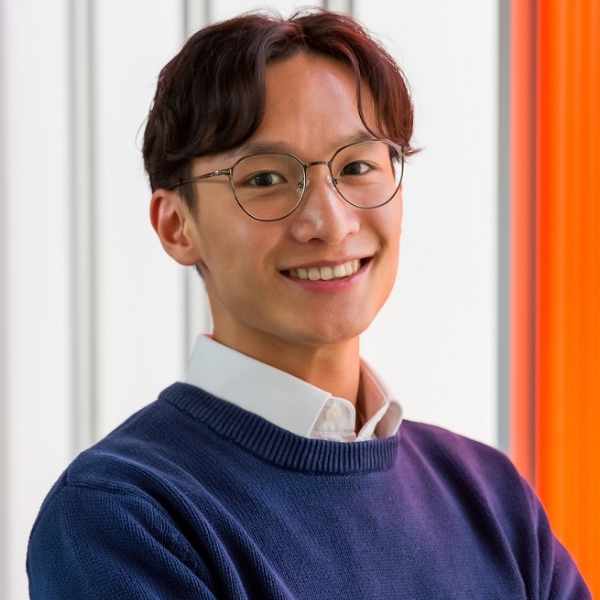
Irvin Ng
Bioinformatics Scientist
Irvin Ng
Bioinformatics Scientist
Irvin Ng is a bioinformatician at the Gut4Health Microbiome Core, BC Children’s Hospital Research Institute, where he leads microbiome and multi-omics analysis. His work focuses on connecting NGS data to clinical outcomes across a range of clinical conditions. He holds an MSc in Bioinformatics from the University of British Columbia and is broadly interested in using statistical and machine learning methods to uncover the biological mechanisms underlying early-life health.

Caixia Ma
Lab Technician
Caixia Ma
Lab Technician
My role in the lab involves taking care of the daily operations. My area of research interest is to make various bacteria mutant strains for in vivo mouse experiments in order to study inflammatory response in the intestine.
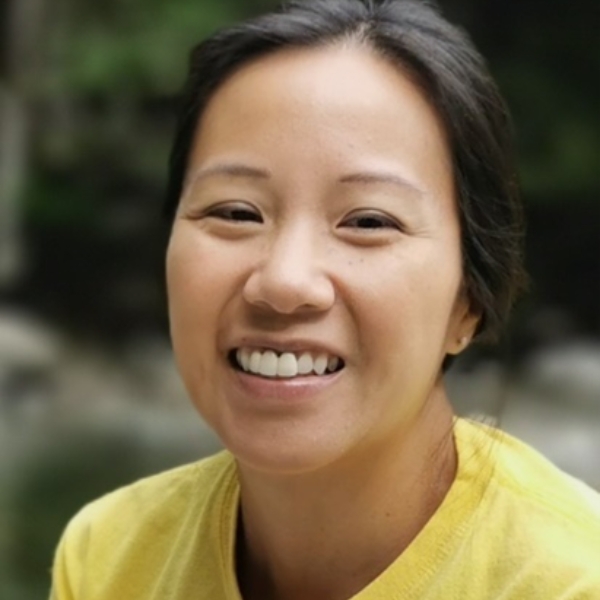
Dr. Catherine Chan
Lab Technician
Dr. Catherine Chan
Lab Technician
Dr. Cathy Chan obtained her PhD from the University of Calgary where she studied membrane protein biochemistry of microbial systems. She continued her post-doctoral research at the University of British Columbia studying bacterial secretion systems and membrane proteomics. This was followed by a second fellowship studying anti-inflammation signalling pathways in mice as she wanted to learn more about animal models and immune systems. After an extended maternity leave with her amazing daughter, she joined a biotech company developing novel antibody-based therapeutics to combat animal gastrointestinal diseases. Her expertise in biochemistry and microbial systems is a valuable addition to the continued development in the at Gut4Health.
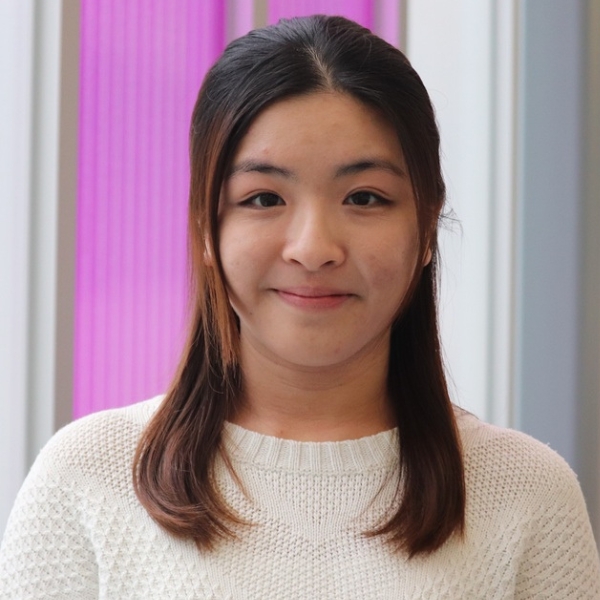
Sandy Lai
Lab technician
Sandy Lai
Lab technician
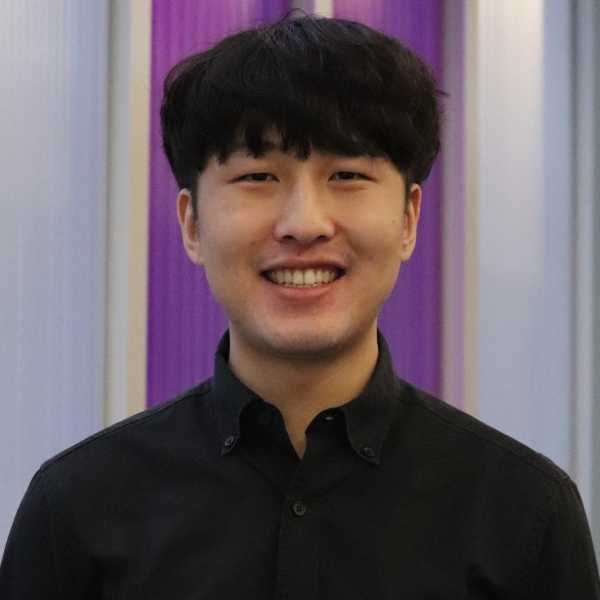
My work focuses on the development and maintenance of 3D intestinal organoids as a model to investigate Inflammatory Bowel Disease (IBD).
Donald Tam
Lab technician
Donald Tam
Lab technician
Donald Tam is a Research Technician at the Gut4Health Microbiome Core. During his undergrad at the University of British Columbia (UBC) he completed an honors thesis in the CAPS program where he evaluated the efficacy of using ultraviolet-C (UVC) lamps against various microbes including bacteria, fungi and viruses. He then continued his education at UBC where he obtained his MSc in Experimental Medicine. During his Master’s, he discovered a novel protein-protein interaction between SARS-CoV-2 non-structural protein 15 (NSP15) and cytokeratin-1. He is now utilizing the molecular biology techniques and knowledge he acquired during his training to support the microbiome research being conducted in the Gut4Health core.
Past Team Members
Postdoctoral Fellows
Dr. Paula Littlejohn
Dr. Larissa Celiberto
Dr. Deanna Gibson
Dr. Marinieve Montero
Dr. Yanet Valdez
Dr. Lisa Mansson
Dr. Maryam Zarepour
Dr. Martin Stahl
Dr. HT Law
Dr. Vijay Morampudi
Dr. Joannie Allaire
Dr. Travis De Wolfe
Dr. Genelle Lunken
Dr. Kevin Tsai
Graduate Students
Dr. Yan Chen
Dr. Kirk Bergstrom
Dr. Natasha Ryz
Dr. Shauna Crowley
Dr. Else Bosman
Dr. Kiran Bhullar
Dr. Ganive Bhinder
Dr. Mohammed Khan
Mr. Justin Chan
Dr. Vivian Han
Jocelyn Chan
Matthias Mslati
Research Associate
Dr. Hongbing Yu
Technicians and Visiting Scientists
Mariana Hill
Dr. Alana Schick
Dr. Adi Eindor
Julia Lee
Dr. Qin Yu
Tina Huang
Janelle Cheung
Funding support
Research in the Vallance Lab is supported by the following grants:
-
CIHR Team Grant
Role of microbes in the pathogenesis of PIBD: From discovery, through causation, to novel treatments (2019) -
CIHR
Colonic goblet cells: Active players in host defense and mucosal protection? (2016) -
SIGIRR
Preserving gut defense by suppressing epithelial TLR/IL-1R signaling (2018)
Colonic goblet cells and mucus: Defining their roles in host defense and mucosal protection (2021) -
NIH
Epithelial intrinsic inflammasomes direct host defense against gut microbes (2018) -
Genome Canada
Microbiome-based precision medicine in inflammatory bowel disease (2019) -
NSERC
Defining a novel skin-gut axis that controls immune and microbial homeostasis in the mammalian GI tract (2018) -
Crohn’s and Colitis Foundation
Bacterial pathobionts and ulcerative colitis: Causation to novel therapies (2019) -
Weston Family Foundation
Characterizing the Gut Microbiome in Patients during COVID-19 Infection (2020)