
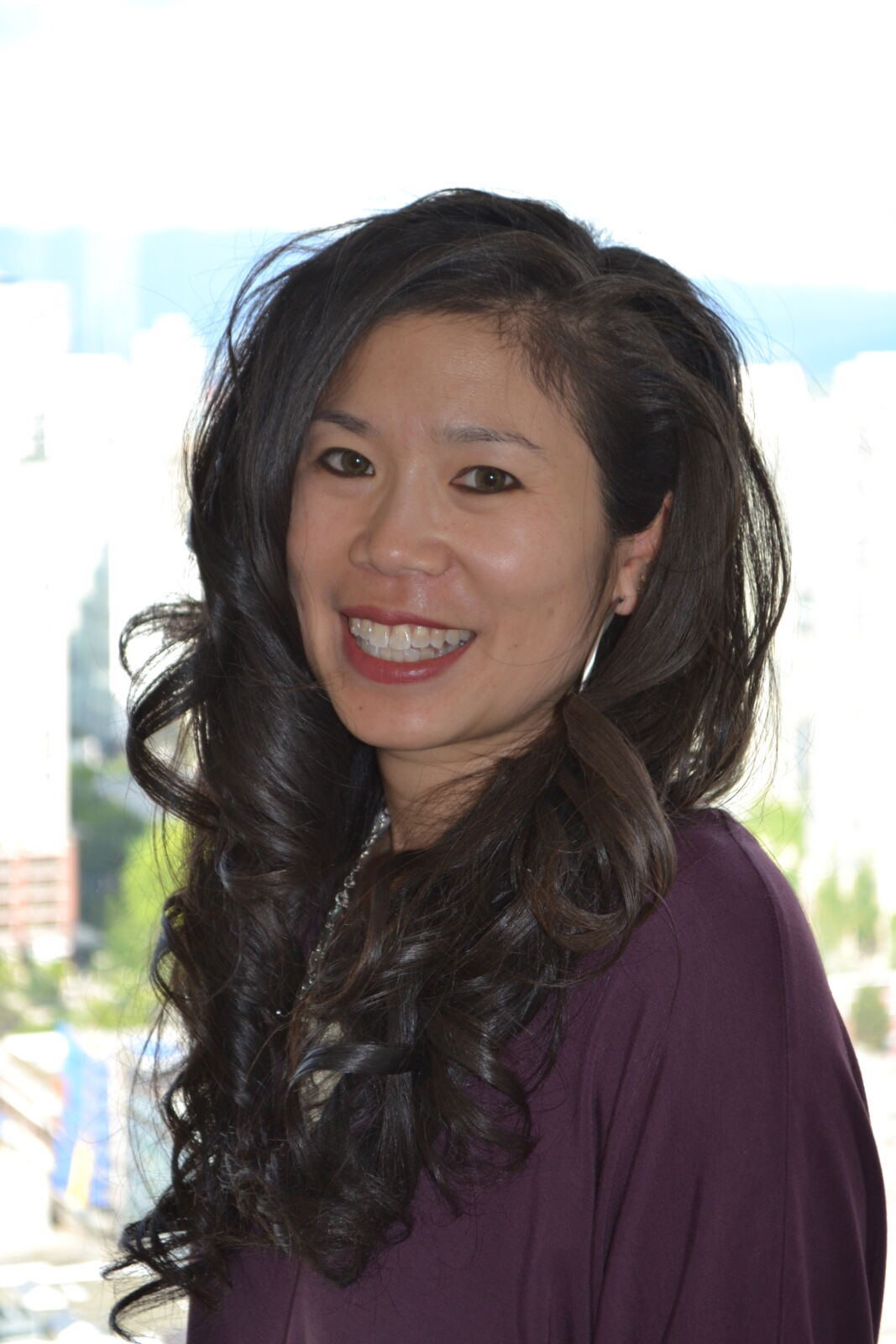
Tricia S. Tang
Rpsych, PhD
Affiliate Investigator, BC Children's Hospital
Diabetes Care
Diabetes Research and Clinical Practice
Tang TS, Yusuf FL, Polonsky WH, Fisher L. Assessing quality of life in diabetes: II"Deconstructing measures into a simple framework. diabetes research and clinical practice. 2017 Apr 1;126:286-302.
Annals of Behavioral Medicine
Kowitt SD, Ayala GX, Cherrington AL, Horton LA, Safford MM, Soto S, Tang TS, Fisher EB. Examining the support peer supporters provide using structural equation modeling: nondirective and directive support in diabetes management. Annals of Behavioral Medicine. 2017 Apr 17;51(6):810-21.
Canadian Journal of Diabetes
Wong EM, Afshar R, Qian H, Zhang M, Elliott TG, Tang TS. Diabetes Distress, Depression and Glycemic Control in a Canadian-Based Specialty Care Setting. Canadian journal of diabetes. 2017 Aug 1;41(4):362-5.
Diabetic Medicine
Sandhu SK, Tang TS. When's dinner? Does timing of dinner affect the cardiometabolic risk profiles of South-Asian Canadians at risk for diabetes. Diabetic Medicine. 2017 Apr 1;34(4):539-42.
Mahmood B, Afshar R, Tang TS. Recruitment and retention of south Asian ethnic minority populations in behavioral interventions to improve type 2 diabetes outcomes. Current diabetes reports. 2017 Apr 1;17(4):25.
Canadian Journal of Diabetes
Li D, Elliott T, Klein G, Ur E, Tang TS. Diabetes Nurse Case Management in a Canadian Tertiary Care Setting: Results of a Randomized Controlled Trial. Canadian journal of diabetes. 2017 Jun 1;41(3):297-304.
Journal of Cardiopulmonary Rehabilitation and Prevention
Poureslami I, Camp P, Shum J, Afshar R, Tang T, FitzGerald JM. Using Exploratory Focus Groups to Inform the Development of a Peer-Supported Pulmonary Rehabilitation Program: DIRECTIONS FOR FURTHER RESEARCH. Journal of cardiopulmonary rehabilitation and prevention. 2017 Jan 1;37(1):57-64.
Canadian Journal of Diabetes
Sidhu R, Tang TS. Diabetes distress and depression in South Asian Canadians with type 2 diabetes. Canadian journal of diabetes. 2017 Feb 1;41(1):69-72.
Diabetes Research and Clinical Practice
Fisher L, Tang T, Polonsky W. Assessing quality of life in diabetes: I. A practical guide to selecting the best instruments and using them wisely. diabetes research and clinical practice. 2017 Apr 1;126:278-85.
Journal of Diabetes and Its Complications
Kandola K, Sandhu S, Tang T. Immigration and dietary patterns in South Asian Canadians at risk for diabetes. Journal of diabetes and its complications. 2016 Nov 1;30(8):1462-6.
Annals of Family Medicine
Tang TS, Funnell MM, Sinco B, Spencer MS, Heisler M. Peer-led, empowerment-based approach to self-management efforts in diabetes (PLEASED): a randomized controlled trial in an African American community. The Annals of Family Medicine. 2015 Aug 1;13(Suppl 1):S27-35.
08 / 2015
Diabetic Medicine
Tang TS, Sohal PS, Garg AK. Rethinking peer support for diabetes in Vancouver's South-Asian community: a feasibility study. Diabetic Medicine. 2015 Aug 1;32(8):1077-84.
The Annals of Family Medicine
Fisher EB, Ayala GX, Ibarra L, Cherrington AL, Elder JP, Tang TS, Heisler M, Safford MM, Simmons D. Contributions of peer support to health, health care, and prevention: Papers from peers for progress. The Annals of Family Medicine. 2015 Aug 1;13(Suppl 1):S2-8.
Diabetes Care
Tang TS, Funnell M, Sinco B, Piatt G, Palmisano G, Spencer MS, Kieffer EC, Heisler M. Comparative effectiveness of peer leaders and community health workers in diabetes self-management support: results of a randomized controlled trial. Diabetes care. 2014 Jun 1;37(6):1525-34.
06 / 2014
Canadian Journal of Diabetes
Lau M, Campbell H, Tang T, Thompson DJ, Elliott T. Impact of patient use of an online patient portal on diabetes outcomes. Canadian journal of Diabetes. 2014 Feb 1;38(1):17-21.
02 / 2014
The Diabetes Educator
Tang TS, Nwankwo R, Whiten Y, Oney C. Outcomes of a church-based diabetes prevention program delivered by peers: a feasibility study. The Diabetes Educator. 2014 Mar;40(2):223-30.
01 / 2014
Diabetes Research and Clinical Practice
Tang TS, Digby EM, Wright AM, Chan JH, Mazanderani AB, Ross SA, Tildesley HG, Lee AM, White AS, Tildesley HD. Real-time continuous glucose monitoring versus internet-based blood glucose monitoring in adults with type 2 diabetes: a study of treatment satisfaction. Diabetes research and clinical practice. 2014 Dec 1;106(3):481-6.
Does a 2.5-year self-management education and support intervention change patterns of healthcare use in African-American adults with Type 2 diabetes?
Yeung RO, Oh M, Tang TS. Does a 2.5-year self-management education and support intervention change patterns of healthcare use in African-American adults with Type 2 diabetes?. Diabetic Medicine. 2014 Apr 1;31(4):472-6.
Canadian Journal of Diabetes
Tildesley HD, Wright AM, Chan JH, Mazanderani AB, Ross SA, Tildesley HG, Lee AM, Tang TS, White AS. A comparison of internet monitoring with continuous glucose monitoring in insulin-requiring type 2 diabetes mellitus. Canadian journal of diabetes. 2013 Oct 1;37(5):305-8.
Diabetic Medicine
Tang TS, Sohal PS, Garg AK. Evaluating a diabetes self-management support peer leader training programme for the English-and Punjabi-speaking South-Asian community in Vancouver. Diabetic Medicine. 2013 Jun 1;30(6):746-52.
American Diabetes Association
Nwankwo, R. B., Tang, T. S. (2002). Tailoring diabetes education and care to minority patients and families. In Andersin BJ, Rubin RR (eds.): Practical Psychology for Diabetes Clinicians, 2nd Edition. Alexandria, Virginia, American Diabetes Association.
Every day, our researchers work towards breakthroughs to transform the lives of kids in BC and around the world. Learn about our latest innovations and advancements in child health.

For the first time ever, BC Children’s Hospital Research Institute has produced a mini Year in Review to publicly share a snapshot of research accomplished during the past fiscal year.

https://youtu.be/Y4qALa6KqII?si=YYs0HLHL99gBYTZ1 Examples of different types of bhangra video lessons for Project Bhangra. https://youtu.be/lVMCV7-TB9Q?si=ghv582A_qd8C9LgB Students having a lot of fun in after-school bhangra classes.
At BC Children’s, we are making discoveries that save lives and transform health care for children in our province and around the world. Our research portfolio includes basic, clinical, population, and public health research.
EXPLORE OUR RESEARCH
Sign up for compelling stories about innovative science, the doctors and researchers who turn ideas into discoveries and treatments, and the kids and families whose lives are changed.
BC Children's Hospital Research Institute operates on the ancestral and unceded territory of the Coast Salish peoples — xʷməθkʷəy̓əm (Musqueam), Sḵwx̱wú7mesh (Squamish), and Səl̓ílwətaʔ/Selilwitulh (Tsleil-Waututh) Nations. Further, this acknowledgement, gratitude, and respect extends to all of the First Nations communities on whose territories the Research Institute builds relationships and operates in British Columbia.
© 2026 BC Children’s Hospital Research Institute. All rights reserved.
Crafted with by Forge and Smith