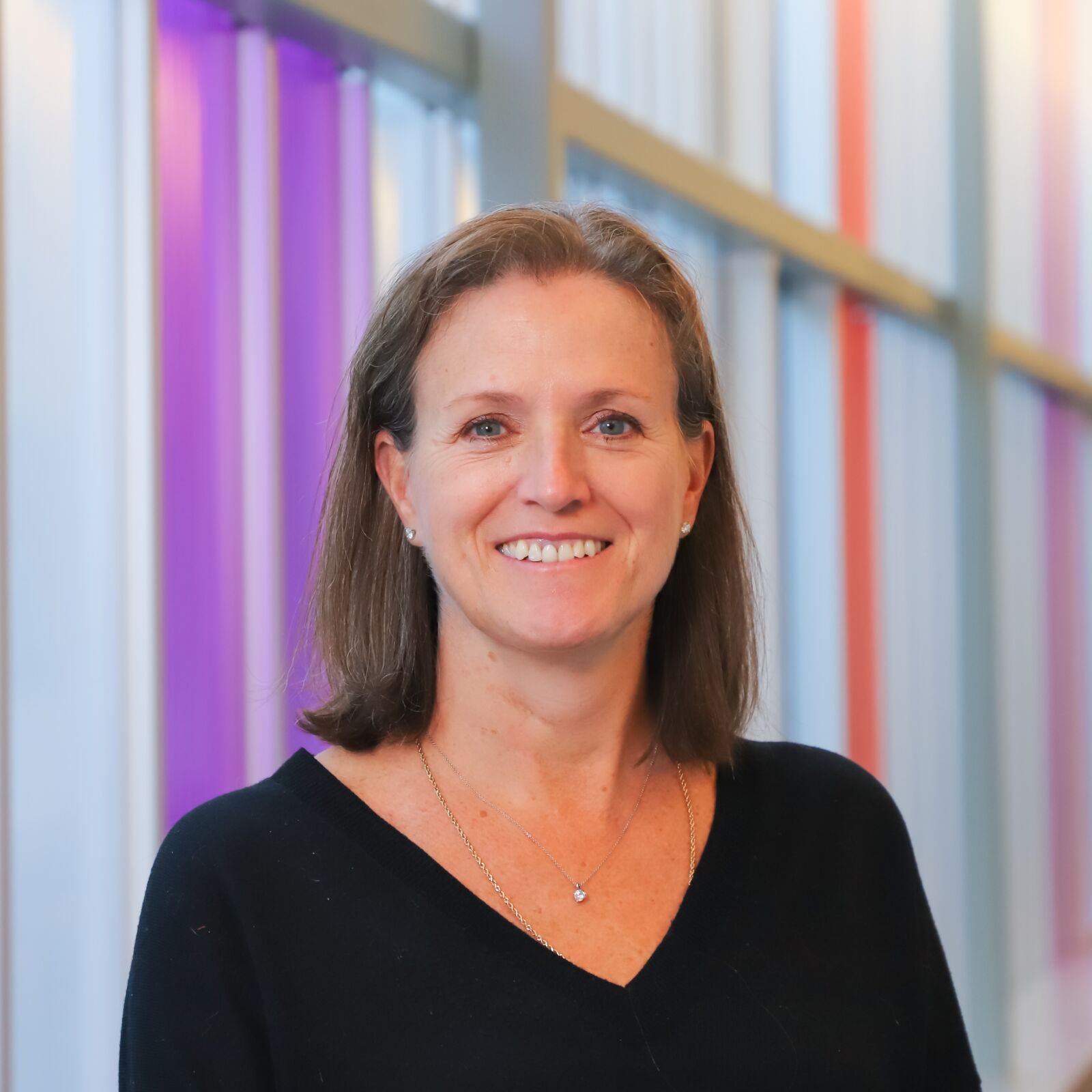
Christine Alvarez
MSc, FRCPC, BSc, MD
Investigator and Pediatric Orthopedic Surgeon, BC Children's Hospital
This trial is being conducted in collaboration with Dr. B. Sawatzky. The normal pattern of gait in those over three years old is a heel toe pattern. Those who walk on their toes beyond age three are felt to have an abnormal gait pattern. Toe walking can lead to achilles tendon contracture which may lead to additional problems. The traditional treatment is to cast the foot and stretch the heel cord. This study is to examine whether injection of the gastrocnemius muscle to weaken it and then cast the foot to stretch the heel cord is more effective than casting alone (with placebo injection).
HME is cause by mutations in one of two genes EXT1 or EXT2. We have found an association between a more severe presentation of the condition (phenotype) and the underlying mutation (genotype). This study was done on a small group of families and provided valuable information. The next step is to examine a large number of families to increase the scientific and statistical evidence behind these findings. This research has translated into a change in our care for HME patients to a more regimented whole body review of their condition.
We have found that injecting Botulinum Toxin A into the tricep surae muscle complex of the leg can replace the Achilles tenotomy in the Ponsetti method of treatment of Clubfoot (Journal of Pediatric Orthopaedics 2005; 25(2):229-235). We are currently following the long-term outcome of this treatment and integrating the knowledge into the clinical practice of the Clubfoot Clinic at BC Children’s Hospital.
Robert E. Salter Research Award, Canadian Orthopaedic Foundation – 2003
At BC Children’s, we are making discoveries that save lives and transform health care for children in our province and around the world. Our research portfolio includes basic, clinical, population, and public health research.
EXPLORE OUR RESEARCH
Sign up for compelling stories about innovative science, the doctors and researchers who turn ideas into discoveries and treatments, and the kids and families whose lives are changed.
BC Children's Hospital Research Institute operates on the ancestral and unceded territory of the Coast Salish peoples — xʷməθkʷəy̓əm (Musqueam), Sḵwx̱wú7mesh (Squamish), and Səl̓ílwətaʔ/Selilwitulh (Tsleil-Waututh) Nations. Further, this acknowledgement, gratitude, and respect extends to all of the First Nations communities on whose territories the Research Institute builds relationships and operates in British Columbia.
© 2026 BC Children’s Hospital Research Institute. All rights reserved.
Crafted with by Forge and Smith