
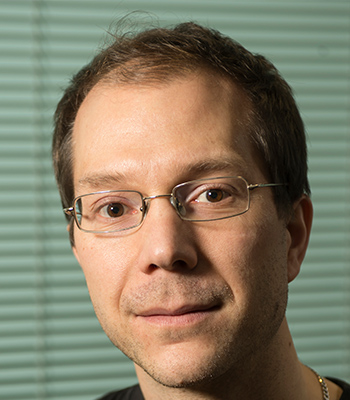
Alexander G Beristain
PhD
Investigator, BC Children's Hospital
Acta Physiologica
Christian J. Bellissimo and Erica Yeo and Tatiane A. Ribeiro and Patrycja A. Jazwiec and Chethana Ellewela and Jaskiran Bains and Ariana E. Lewis and Katherine M. Kennedy and Ali A. Ashkar and Alexander G. Beristain and Dawn M. E. Bowdish and Deborah M. Sloboda
DOI: 10.1111/apha.7013012 / 2025
Fertility and Sterility
Alexander G. Beristain and Gina L. McNeill
DOI: 10.1016/j.fertnstert.2025.10.00412 / 2025
Reproduction
Bellissimo, C.J. and Beristain, A.G. and Sloboda, D.M.
DOI: 10.1530/REP-24-0464Scientific Reports
Telkar, N. and Hui, D. and Pe{\~n}aherrera, M.S. and Yuan, V. and Martinez, V.D. and Stewart, G.L. and Beristain, A.G. and Lam, W.L. and Robinson, W.P.
DOI: 10.1038/s41598-025-98939-4Biorxiv
Shannon, M.J. and Beristain, A.G.
DOI: 10.1101/2024.12.16.628789Biorxiv
Bellissimo, C.J. and Yeo, E. and Ribeiro, T.A. and Jazwiec, P.A. and Ellewela, C. and Bains, J. and Ashkar, A.A. and Beristain, A.G. and Bowdish, D.M.E. and Sloboda, D.M.
DOI: 10.1101/2024.09.10.612284Developmental Cell
Shannon, M.J. and McNeill, G.L. and Koksal, B. and Baltayeva, J. and Wchter, J. and Castellana, B. and Peaherrera, M.S. and Robinson, W.P. and Leung, P.C.K. and Beristain, A.G.
DOI: 10.1016/j.devcel.2024.01.023Human Reproduction
Haider, S. and Beristain, A.G.
DOI: 10.1093/humrep/dead085Frontiers in Medicine
Sharlandjieva, V. and Beristain, A.G. and Terry, J.
DOI: 10.3389/fmed.2023.1096262Epigenetics and Chromatin
Khan, A. and Inkster, A.M. and Peaherrera, M.S. and King, S. and Kildea, S. and Oberlander, T.F. and Olson, D.M. and Vaillancourt, C. and Brain, U. and Beraldo, E.O. and Beristain, A.G. and Clifton, V.L. and Del Gobbo, G.F. and Lam, W.L. and Metz, G.A.S. and Ng, J.W.Y. and Price, E.M. and Schuetz, J.M. and Yuan, V. and Portales-Casamar, ?. and Robinson, W.P.
DOI: 10.1186/s13072-023-00507-5Development (Cambridge)
Shannon, M.J. and Baltayeva, J. and Castellana, B. and Wchter, J. and McNeill, G.L. and Yoon, J.S. and Treissman, J. and Le, H.T. and Lavoie, P.M. and Beristain, A.G.
DOI: 10.1242/dev.199840Gene Expression Patterns
W{\"a}chter, J. and Shannon, M.J. and Beristain, A.G.
DOI: 10.1016/j.gep.2022.119283SSRN
Shannon, M.J. and McNeill, G.L. and Koksal, B. and Baltayeva, J. and Wchter, J. and Castellana, B. and Peaherrera, M.S. and Robinson, W.P. and Leung, P.C.K. and Beristain, A.G.
DOI: 10.2139/ssrn.4277949bioRxiv
St-Germain, L.E. and Castellana, B. and Baltayeva, J. and Beristain, A.G.
DOI: 10.1101/2022.01.27.478092BMC genomics
Yuan V and Hui D and Yin Y and Peaherrera MS and Beristain AG and Robinson WP
DOI: 10.1186/s12864-020-07186-6 PubMed: 3340709101 / 2021
bioRxiv
Shannon, M. and Baltayeva, J. and Castellana, B. and Wchter, J. and Yoon, S. and Treissman, J. and Le, H. and Beristain, A.G.
DOI: 10.1101/2021.03.27.437349FASEB journal : official publication of the Federation of American Societies for Experimental Biology
DOI: 10.1096/fj.202000773r PubMed: 3261449407 / 2020
Biology of Reproduction
Baltayeva, J. and Konwar, C. and Castellana, B. and Mara, D.L. and Christians, J.K. and Beristain, A.G.
DOI: 10.1093/biolre/ioz163Development (Cambridge)
Treissman, J. and Yuan, V. and Baltayeva, J. and Le, H.T. and Castellana, B. and Robinson, W.P. and Beristain, A.G.
DOI: 10.1242/dev.181263International Journal of Molecular Sciences
St-Germain, L.E. and Castellana, B. and Baltayeva, J. and Beristain, A.G.
DOI: 10.3390/ijms21113776Jenna Treissman and Victor Yuan and Jennet Baltayeva and Hoa T. Le and Barbara Castellana and Wendy P. Robinson and Alexander G. Beristain
DOI: 10.1101/66979606 / 2019
Molecular Human Reproduction
Le, H.T. and Atif, J. and Mara, D.L. and Castellana, B. and Treissman, J. and Baltayeva, J. and Beristain, A.G.
DOI: 10.1093/molehr/gay034Frontiers in Immunology
Pollheimer, J. and Vondra, S. and Baltayeva, J. and Beristain, A.G. and Knfler, M.
DOI: 10.3389/fimmu.2018.02597Immunology and Cell Biology
Castellana, B. and Perdu, S. and Kim, Y. and Chan, K. and Atif, J. and Marziali, M. and Beristain, A.G.
DOI: 10.1111/imcb.12041Placenta
Jennet Baltayeva and Barbara Castellana and Eunice Chin and Julian Christians and Alexander Beristain
DOI: 10.1016/j.placenta.2017.07.21009 / 2017
Castellana B and Perdu S and Kim Y and Chan K and Atif J and Marziali M and Beristain AG
DOI: 10.1101/16721307 / 2017
Placenta
De Luca, L.C. and Le, H.T. and Mara, D.L. and Beristain, A.G.
DOI: 10.1016/j.placenta.2017.05.009Placenta
Aplin, J.D. and Beristain, A. and DaSilva-Arnold, S. and Dunk, C. and Duzyj, C. and Golos, T.G. and Kemmerling, U. and Knfler, M. and Mitchell, M.D. and Olson, D.M. and Petroff, M. and Pollheimer, J. and Reyes, L. and Schedin, P. and Soares, M.J. and Stencel-Baerenwald, J. and Thornburg, K.L. and Lash, G.E.
DOI: 10.1016/j.placenta.2017.04.019JCI insight
PubMed: 2769922207 / 2016
JCI Insight
Perdu, S. and Castellana, B. and Kim, Y. and Chan, K. and DeLuca, L. and Beristain, A.G.
DOI: 10.1172/jci.insight.85560Journal of Leukocyte Biology
Morgan, T.K. and Beristain, A.G.
DOI: 10.1189/jlb.1CE0316-162RCell Adhesion and Migration
Christians, J.K. and Beristain, A.G.
DOI: 10.1080/19336918.2015.1083668Stem Cell Reports
Shiah, Y.-J. and Tharmapalan, P. and Casey, A.E. and Joshi, P.A. and McKee, T.D. and Jackson, H.W. and Beristain, A.G. and Chan-Seng-Yue, M.A. and Bader, G.D. and Lydon, J.P. and Waterhouse, P.D. and Boutros, P.C. and Khokha, R.
DOI: 10.1016/j.stemcr.2015.01.011Cell Death and Differentiation
Aghababaei, M. and Hogg, K. and Perdu, S. and Robinson, W.P. and Beristain, A.G.
DOI: 10.1038/cdd.2015.44Stem Cell Reports
Shiah, Y.-J. and Tharmapalan, P. and Casey, A.E. and Joshi, P.A. and McKee, T.D. and Jackson, H.W. and Beristain, A.G. and Chan-Seng-Yue, M.A. and Bader, G.D. and Lydon, J.P. and Waterhouse, P.D. and Boutros, P.C. and Khokha, R.
DOI: 10.1016/j.stemcr.2015.02.020Oncogene
Beristain, A.G. and Molyneux, S.D. and Joshi, P.A. and Pomroy, N.C. and Di Grappa, M.A. and Chang, M.C. and Kirschner, L.S. and Priv, G.G. and Pujana, M.A. and Khokha, R.
DOI: 10.1038/onc.2014.41Placenta
Aghababaei, M. and Beristain, A.G.
DOI: 10.1016/j.placenta.2014.12.016Molecular Human Reproduction
Aghababaei, M. and Perdu, S. and Irvine, K. and Beristain, A.G.
DOI: 10.1093/molehr/gat084Reproductive Biology and Endocrinology
Crosley, E.J. and Dunk, C.E. and Beristain, A.G. and Christians, J.K.
DOI: 10.1186/1477-7827-12-123Molecular Human Reproduction
Hogg, K. and Robinson, W.P. and Beristain, A.G.
DOI: 10.1093/molehr/gau020Journal of Cell Science
Beristain, A.G. and Narala, S.R. and Di Grappa, M.A. and Khokha, R.
DOI: 10.1242/jcs.094029PLoS ONE
Beristain, A.G. and Zhu, H. and Leung, P.C.K.
DOI: 10.1371/journal.pone.0018473Journal of Clinical Investigation
Molyneux, S.D. and Di Grappa, M.A. and Beristain, A.G. and McKee, T.D. and Wai, D.H. and Paderova, J. and Kashyap, M. and Hu, P. and Maiuri, T. and Narala, S.R. and Stambolic, V. and Squire, J. and Penninger, J. and Sanchez, O. and Triche, T.J. and Wood, G.A. and Kirschner, L.S. and Khokha, R.
DOI: 10.1172/JCI42391Nature
Joshi, P.A. and Jackson, H.W. and Beristain, A.G. and Di Grappa, M.A. and Mote, P.A. and Clarke, C.L. and Stingl, J. and Waterhouse, P.D. and Khokha, R.
DOI: 10.1038/nature09091Journal of Clinical Endocrinology and Metabolism
Chou, C.-S. and Beristain, A.G. and MacCalman, C.D. and Leung, P.C.K.
DOI: 10.1210/jc.2003-031636Biology of Reproduction
Madan, P. and Bridges, P.J. and Komar, C.M. and Beristain, A.G. and Rajamahendran, R. and Fortune, J.E. and MacCalman, C.D.
DOI: 10.1095/biolreprod.102.013714State of the art cell-sorting techniques and an understanding of unique cell surface expression markers on trophoblast subpopulations establishes an attractive method in identifying intrinsic trophoblast-specific genes in causative mechanisms in the development of pregnancy-related disorders. To this end, my lab is characterizing specialized trophoblast subpopulations within the placenta and maternal uterine tissue using state-of-the-art FACS-purification strategies. These studies are designed to answer questions directly related to:
Critical gene pathways essential in placental development, trophoblast differentiation, and trophoblast progenitor cell homeostasis.
Determining pathways dysregulated in pregnancy disorders (IUGR pregnancies and preeclampsia) and pregnancies associated with heightened risk of placental dysfunction (obesity).
Within the uterine microenvironment, maternal immune cells play a prominent role in regulating trophoblast function and survival. Abnormal changes in the balance of immune cell populations in utero can alter early placental development and have a direct effect on maternal health, fetal outcome and newborn health. Early stages of uterine arterial remodeling, trophoblast invasion and survival, as well as maternal tolerance of the fetal semi-allograft (half mom, half dad) are controlled by uterine immune cells, which are mainly comprised of decidual natural killer cells (dNKs; 70% of total immune cells), but also have significant numbers of myeloid-derived dendritic cells and macrophages (15%) and subsets of regulatory and effector T cell lymphocytes (10%). Alterations in immune cell composition and/or function at the fetal-maternal interface have major implications in trophoblast fitness and pregnancy outcome.
In healthy pregnancy, dNKs, macrophages and regulatory T lymphocytes (Tregs) adopt an immunoprotective role, limiting pro-inflammatory cytokine production and cytolytic/cytotoxic cellular immunity. However, a shift in balance towards pro-inflammatory cytokine producing immune cells within the uterine microenvironment is associated with impaired trophoblast function and survival, poor pregnancy outcome and compromised fertility. These correlations have been substantiated by experiments in mice showing that depletion of key protective/immunosuppressive immune cells leads to under-remodeled uterine arteries, under-perfused vessels, smaller litter sizes and increased fetal demise. Together, these findings indicate that changes in the uterine immune cell microenvironment may significantly alter early placentation.
In obesity, adipocyte expansion leads to heightened secretion pro-inflammatory factors like TNFa and IL-6 by fat cells (adipocytes), which together drive macrophage activation and contribute to the development of metabolic and immune syndromes. Obesity-associated inflammation is characterized by a subtle shift in the balance between different types of T lymphocytes (effector vs. regulatory), resulting in chronic low-level pro-inflammatory cytokine production, tissue cytotoxicity and apoptosis.
Work in my lab is currently profiling the uterine immune cell make-up in obese pregnant women in early pregnancy using a sophisticated multicolor flow cytometry approach. My lab is especially interested in understanding the importance of CD4+ T helper and immunosuppressive regulatory cells within the uterine environment with a particular focus on their roles in directing trophoblast survival and function.
A specific focus of my research over the past year has examined the importance of the A Disintegrin And Metalloproteinase (ADAM) protease family member, ADAM12, in directing two cellular processes essential in placentation: cell invasion and cell fusion. Despite exceptionally high levels of ADAM12 expression in placental tissues, prior to my lab’s work, the biological significance of ADAM12 in trophoblast biology was unknown. Building upon my recent findings, my short-term objectives aim to characterize the molecular processes directed by ADAM12 in regulating trophoblast differentiation into invasive and multinuclear cell types.
As the biology of ADAM12-related genes in trophoblast function is unknown, I also aim to examine the importance of multiple ADAM family members in trophoblast biology using a global gene expression approach (see Aim 3 below). These extensive studies will inform us of the key ADAM proteases expressed in specific trophoblast subsets and the key signaling pathways and gene interactions linked to biological processes critical in early placental development (i.e. cell survival, proliferation, motility, cell fusion).
NSERC Individual Discovery Grant
"Examining the importance of ADAM metalloproteinases in trophoblast biology" (2014-2019)
CIHR Operating Grant - Project
"Effects of obesity-associated inflammation on the maternal-fetal interface in early pregnancy" (2014-2019)
Every day, our researchers work towards breakthroughs to transform the lives of kids in BC and around the world. Learn about our latest innovations and advancements in child health.

Congratulations to BC Children’s Hospital Research Institute (BCCHR) and Women’s Health Research Institute (WHRI) investigators and their teams who were awarded funding through the Canadian Institutes of Health Research (CIHR) Spring 2025 Project Grant competition.

The placenta is essential to a healthy start in life, carrying out the work of several organs while they’re still being formed. If underdeveloped, it can cause complications that impact the fetus and lead to long-term health issues, including fetal growth restriction — a condition associated with brain and heart diseases — preterm births, and…

Congratulations to the BC Children's Hospital Research Institute (BCCHR) and Women's Health Research Institute (WHRI) investigators and their teams who were awarded funding through the Canadian Institutes of Health Research (CIHR) Spring 2022 Project Grant competition. Our research community received around $15 million in new research grants as principal investigators or co-investigators.
At BC Children’s, we are making discoveries that save lives and transform health care for children in our province and around the world. Our research portfolio includes basic, clinical, population, and public health research.
EXPLORE OUR RESEARCH
Sign up for compelling stories about innovative science, the doctors and researchers who turn ideas into discoveries and treatments, and the kids and families whose lives are changed.
BC Children's Hospital Research Institute operates on the ancestral and unceded territory of the Coast Salish peoples — xʷməθkʷəy̓əm (Musqueam), Sḵwx̱wú7mesh (Squamish), and Səl̓ílwətaʔ/Selilwitulh (Tsleil-Waututh) Nations. Further, this acknowledgement, gratitude, and respect extends to all of the First Nations communities on whose territories the Research Institute builds relationships and operates in British Columbia.
© 2026 BC Children’s Hospital Research Institute. All rights reserved.
Crafted with by Forge and Smith