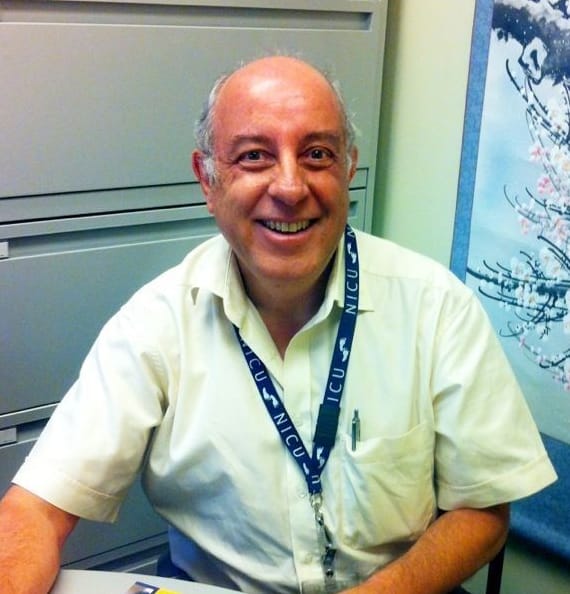
Alfonso Solimano
MD, FRCPC
Investigator, BC Children's Hospital
Medical Director, BC RSV Immunoprophylaxis Program
In BC, caregivers will apply for Palivizumab dosing for their patients. The BC RSV Immunoprophylaxis Program approves applications for Palivizumab dosing either automatically, because they meet pre-determined criteria, or their application is adjudicated by a 3 panel committee. We are currently undergoing a review of the panel of 3 adjudication process for the RSV Immunoprophylaxis program to determine if it is effective in determining those at greatest risk for RSV.
Prior findings from our group has identified that 3 or 4 doses of Palivizumab is as effective as 5 doses in preventing RSV in the highest risk infants. We are continuing to study and understand, the role that natural immunity plays in the protection against RSV, the pharmacokinetics of Palivizumab dosing during the RSV season, the phenomemon that we see of term and later preterm infants with no pre-existing risk factors being admitted to hospital.
We have determined that the risk of hospital admission is not higher in applicants for immunoprophylaxis who did not meet criteria than in those who met criteria and received immunoprophylaxis. We are continuing to explore the risk-costeffectiveness of prophylaxis threshholds in order to better inform our Program. For example, in collaboration with Perinatal Services BC and we are looking at the thresholds by gestational age at birth, and with cardiology in congenital heart disease.
At BC Children’s, we are making discoveries that save lives and transform health care for children in our province and around the world. Our research portfolio includes basic, clinical, population, and public health research.
EXPLORE OUR RESEARCH