
Our Leadership
Our organization receives direction from the BCCHR Leadership Team, Research Leadership Council, and Scientific Advisory Board.
The BCCHR leadership team works tirelessly to create an environment where excellent research thrives. They lead our administrative and research services, facilities, informatics and IT, and special projects, and provide our researchers with specialized support.
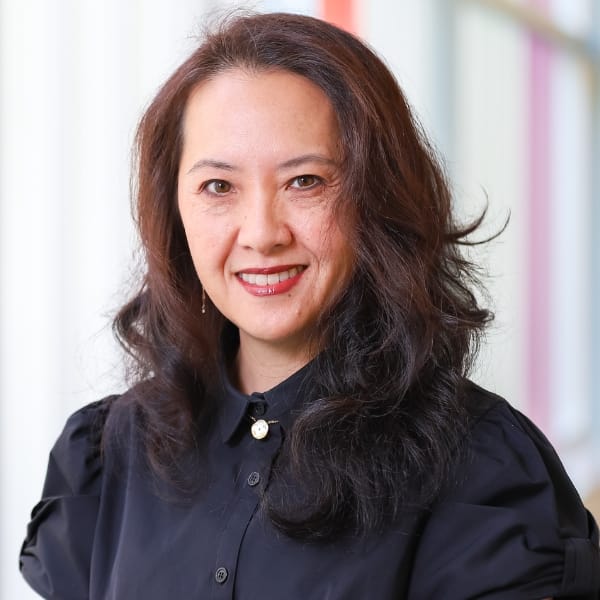
Quynh Doan
Senior Executive Director
Quynh Doan
She/Her/Hers
Senior Executive Director, BC Children’s Hospital Research Institute, Provincial Health Services Authority
Associate Dean, Research, BC Children’s Hospital Research Institute, UBC Faculty of Medicine
Congdon Family Hospital Chair in Research at BC Children’s Hospital
Dr. Quynh Doan’s research program comprises projects evaluating pediatric emergency department patterns of use, the quality of care provided, and the efficiency of service delivery. She aims to answer questions pertaining to the population’s need for pediatric emergency care, how well the healthcare system is equipped to meet this need, and how we can maintain or improve the quality and value of the care provided to children and families seeking help in emergency settings. As a member of Pediatric Emergency Research Canada (PERC), Dr. Doan is the BCCH site investigator for many PERC multi-centre studies. She is also the PERC representative.
Executive Coordinator: Erika Kosuge, 604-875-2404
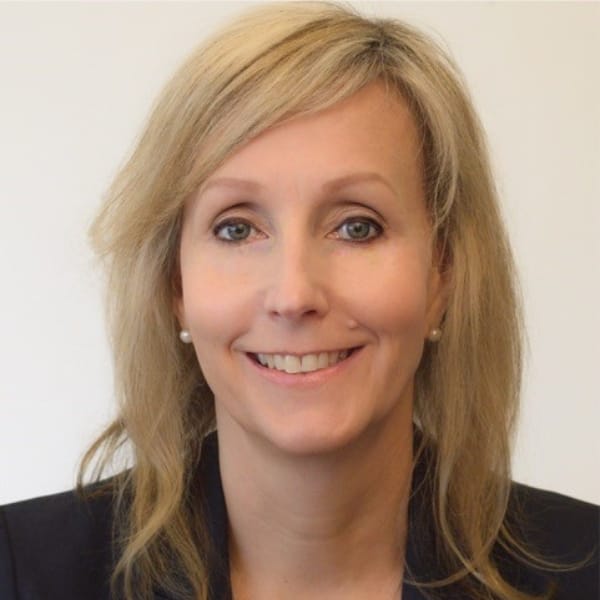
Angela Devlin
Associate Director, Foundational Science
Angela Devlin
She/Her/Hers
Associate Director, Foundational Science and Investigator, BC Children’s Hospital
Co-Director, Women+ and Children’s Health Research Graduate Program and Professor, Division of Endocrinology, Faculty of Medicine, UBC
Recent research suggests that a mother’s diet during pregnancy can influence the development of cardiovascular disease (CVD) risk factors in their adult children. Dr. Angela Devlin’s current research focuses on determining how this occurs. She speculates that maternal diet during pregnancy can influence gene expression in children through epigenetic processes, defined as heritable changes in gene expression that occur without a change in the DNA sequence of the gene. Dr. Devlin is conducting studies in mice to determine the roles of prenatal and early postnatal diet and the role of epigenetic processes in the development of CVD, and is addressing the question: If diet during adult life can change epigenetic processes, what happens to offspring exposed early in development to a similar nutrient insult, and are there consequences later in life? Determining how diet and epigenetic processes contribute to CVD will aid in the development of early screening tools for at-risk children, and novel therapeutic targets for prevention and treatment of CVD.
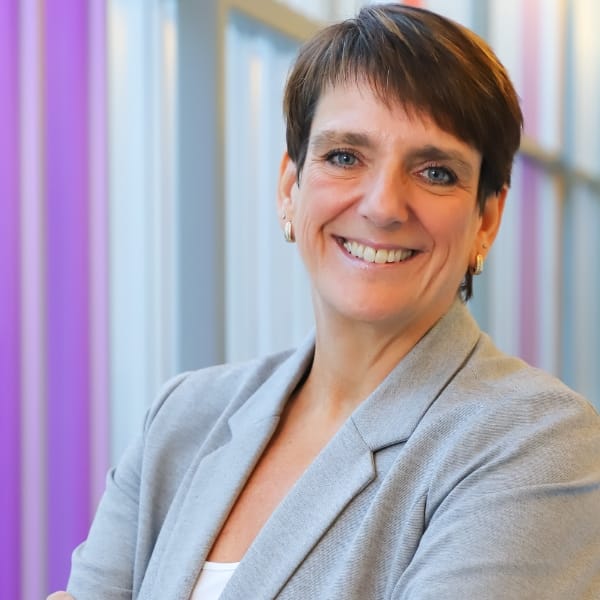
Jill Zwicker
Associate Director, Research Community
Jill Zwicker
She/Her/Hers
Associate Director, Research Community and Investigator, BC Children’s Hospital
Professor, Department of Occupational Science and Occupational Therapy, Faculty of Medicine, UBC
Children with developmental coordination disorder (DCD) have difficulty learning motor skills and performing activities of daily living, such as using a knife and fork, printing, and riding a bicycle. The cause of DCD is not well understood, but Dr. Jill Zwicker’s research has shown that children with DCD use their brain differently and show subtle differences in their brain pathways compared to typically developing children. Dr. Zwicker’s program aims to further unravel the brain differences in children with DCD in an effort to better understand the disorder and inform rehabilitation interventions for these children.
Critically ill newborns (such as premature infants or infants with brain injury or heart disease) are at risk for motor impairments in childhood. Dr. Zwicker’s program aims to better understand the relationship of early brain development and motor outcomes of these at-risk newborns, and how rehabilitation interventions may affect brain and motor outcomes.
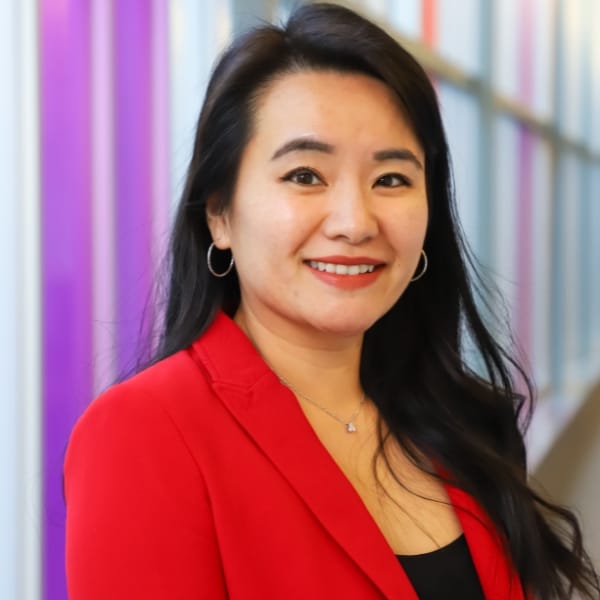
Vicki Chiu
Executive Director, Research Administration and Operations
Vicki Chiu
She/Her/Hers
Executive Director, Research Administration and Operations
Vicki Chiu is the Executive Director, Research Administration and Operations, responsible for leading business operations at BC Children’s Hospital Research Institute. She leads and coordinates the Research Administration team, smoothing the way to ensure the success of our administration units in supporting the vast BCCHR research community. In her role, she is responsible for the strategic direction and daily operations of the Research Institute. Vicki has 20 years of experience in progressively senior positions in finance and management, is a designated Chartered Accountant/Certified Public Accountant, and holds a Bachelor of Business Administration.
Executive Coordinator: Erika Kosuge, 604-875-2404
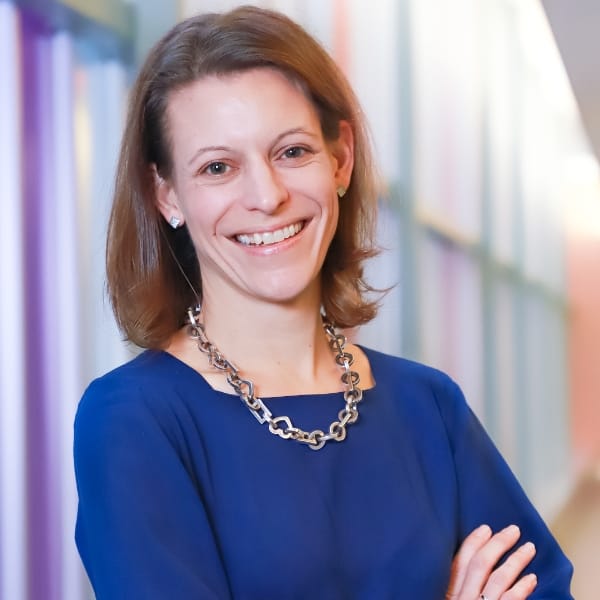
Jennifer Claydon
Director, Clinical Research Operations
Jennifer Claydon, the Director of Clinical Research Operations, has more than two decades of experience facilitating research at both BC Children’s Hospital and BC Women’s Hospital + Health Centre (C&W). She has supported numerous research projects from conception through execution, while fostering strong relationships among researchers, care providers, support staff, and families. As the lead of Clinical Research Operations, Jennifer works to raise the quality of clinical studies conducted onsite, improve capacity among staff and students interested in pursuing research, and increase the profile and visibility of clinical research conducted at C&W. Her extensive clinical research experience and commitment to improving Clinical Research Operations’ services continue to drive the development of new initiatives.

Todd Jacques
Director, Research Facilities
As the Director of Research Facilities, Todd Jacques provides support for all research-related equipment, construction/renovation, health and safety, and spaces, including for BC Children’s Hospital Foundation and the UBC Faculty of Medicine. In addition, Todd is responsible for overseeing the shipping and receiving system, as well as the BCCHR animal facility where most of the wet lab research is performed. His support extends beyond the Institute as he provides assistance to partners, such as the Women’s Health Research Institute.
Administrative Assistant: Tracy Aomoto, 604-875-2000 ext. 2435

Isabelle Linden
Director, Research Services
Isabelle Linden is the Director of Research Services and provides strategic direction and operational leadership across various departments and teams at BCCHR – from Core Facilities, to Research Education and public outreach initiatives, the IDEAA office, the Mentorship Program, BCCHR Awards and major funding programs, Membership, and Grant’s Processing, in addition to supporting institute wide initiatives and projects.
Isabelle has over 15 years of experience in the healthcare and higher education sectors, and her strengths include strong project management skills, expertise in contracts, facilitation, and stakeholder engagement. She holds a Master of Public Health (MPH), is a Certified Change Management Professional (CCMP), a Certified Health Executive (CHE), and has demonstrated her leadership abilities by successfully leading cross-functional teams and implementing numerous new programs at BCCHR. Isabelle is a highly driven and results-oriented leader in the field of research operations.

Dawn McArthur
Director, Research & Technology Development
Dr. Dawn McArthur works with BCCHR researchers to develop exceptional research programs and proposals. One of Canada’s first grant facilitators, Dr. McArthur’s experience includes scientific (wet lab) research, teaching, and 25 years of research development in university and health research settings. She has advanced expertise in the strategic development of interdisciplinary teams and research initiatives and extensive knowledge of health research disciplines and funding agency mandates. Dr. McArthur shares her knowledge in training workshops at BCCHR, across Canada, and internationally. In addition to all aspects of grant development, Dr. McArthur is a big-picture thinker and your point of contact for strategic planning, group facilitation, large-scale infrastructure proposals (CFI IF), Canada Research Chairs, and brainstorming.
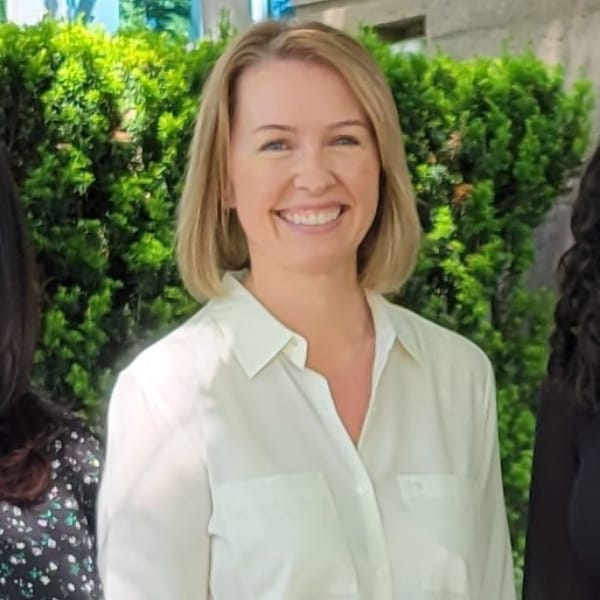
Jennie Prasad
Director, Research Ethics Board
Jennie Prasad is the Director of the University of British Columbia/BC Children’s Hospital and BC Women’s Hospital + Health Centre Research Ethics Board (UBC C&W REB). She oversees the functioning of the REB staff and board, monitors ethical review process standards, and advises on compliance with ethics policies. Jennie has a Master of Science (MSc) degree in Experimental Medicine from UBC and has been with the REB since it was formed in 2009. Before starting her career in ethics, she was a Research Scientist in an HIV research lab and subsequently a Research Manager in HIV clinical trials, giving her a unique perspective in all areas of research.
Administrative Coordinator: Talysa Dhahan, 604-875-3013

Tibor van Rooij
Director, Research Informatics
Dr. Tibor van Rooij leads the Research Informatics department, which brings together all informatics support activities, including data-related services. Research Informatics has four pillars of activities: information technology (help desk, networks, IT services), data analytics and visualization (bioinformatics, imaging, advanced computing), clinical research informatics (data management, integration, standardization, registries), and digital technology and innovation (digital health, virtual health). Tibor has a strong focus on supporting research by guiding the development and implementation of novel multidisciplinary models. Areas of specific know-how include: change management and team building to address system-wide data bottlenecks, optimization of data collection and large-scale storage, clinical decision support, translation of evidence-based medicine, and medical mobile app development.

Kelly Chan
Senior Manager, Finance
Kelly Chan joined BCCHR in late 2020 and is responsible for all strategic and operational financial activities at the Institute. Prior to joining BCCHR, Kelly spent over a decade in financial auditing and consulting, where she played an instrumental role in addressing clients’ strategic, operational, and financial priorities. She is a Chartered Professional Accountant (CPA, CA) and holds a Bachelor of Science degree from the University of British Columbia. An active community volunteer, Kelly currently serves as Board Director and Chair for Visceral Visions Society with the goal of engaging and fostering an inclusive community.

Jonath Sujan
Interim Manager, Research IT
Administrative Coordinator: Twinky Ip, 604-875-2000 ext. 5433
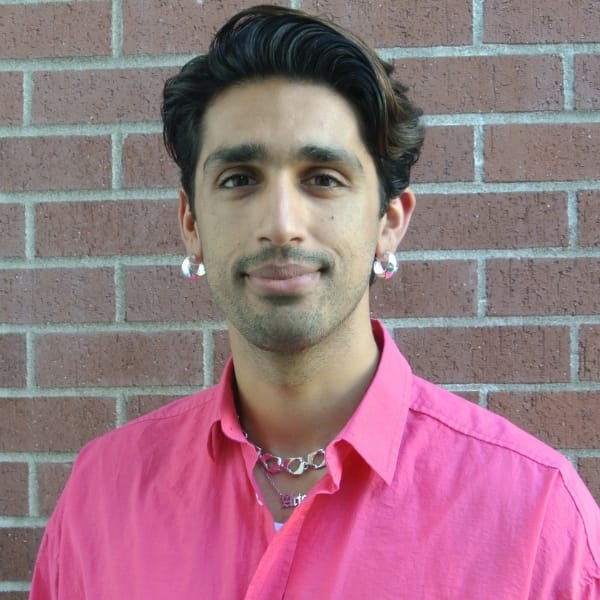
Oakley Ramprashad
Manager, Inclusion, Diversity, Equity, Allyship, and Anti-Oppression (IDEAA)
Oakley Ramprashad
They/Them/Their
Manager, Inclusion, Diversity, Equity, Allyship, and Anti-Oppression (IDEAA)
Oakley Ramprashad is the Manager of the Inclusion, Diversity, Equity, Allyship, and Anti-Oppression (IDEAA) office and is focused on supporting the integration of more inclusive and intersectional practices into the research done at BCCHR while also working to foster an environment and culture within the Institute where all identities feel safe, affirmed, and celebrated. Oakley has more than six years of experience in anti-racism research, facilitation, policy analysis, and consulting. They hold a Master of Education (MEd) and a Master of Arts in history (MA), and their research examined the intersections of race, education, and incarceration which, coupled with their own lived and work experience, informs their approach to EDI work.

Kristen Hovet
Communications Manager
Kristen Hovet leads the Communications team and manages overall team strategy. Kristen has a Master of Health Studies degree (Health Research major) and works to “translate” research findings to a diverse audience. In addition to leading the communications team, her focus at BCCHR includes hosting BCCHR’s Best Lives podcast, writing web stories, leading special projects, editing and proofreading internal and external documents, and maintaining processes that improve and facilitate team efficiency. She has more than 10 years of experience in communications and science journalism. Kristen is involved in autism self-advocacy at the national and international levels..
The Research Leadership Council comprises researchers from across BC Children’s Hospital and BC Children’s Hospital Research Institute who contribute important perspectives for enhancing our research environment. A decision-making body, the Council guides emerging initiatives and strategic investments and gives voice to ideas and issues that arise across our large research community.
Quynh Doan
Council Chair; Senior Executive Director
Quynh Doan
She/Her/Hers
Council Chair
Senior Executive Director, BC Children’s Hospital Research Institute, Provincial Health Services Authority
Associate Dean, Research, BC Children’s Hospital Research Institute, UBC Faculty of Medicine
Congdon Family Hospital Chair in Research at BC Children’s Hospital
Dr. Quynh Doan’s research program comprises projects evaluating pediatric emergency department patterns of use, the quality of care provided, and the efficiency of service delivery. She aims to answer questions pertaining to the population’s need for pediatric emergency care, how well the healthcare system is equipped to meet this need, and how we can maintain or improve the quality and value of the care provided to children and families seeking help in emergency settings. As a member of Pediatric Emergency Research Canada (PERC), Dr. Doan is the BCCH site investigator for many PERC multi-centre studies. She is also the PERC representative.
Executive Coordinator: Erika Kosuge, 604-875-2404
Vicki Chiu
Executive Director, Research Administration and Operations
Vicki Chiu (ex officio)
She/Her/Hers
Council Member
Executive Director, Research Administration and Operations
Vicki Chiu is the Executive Director, Research Administration and Operations, responsible for leading business operations at BC Children’s Hospital Research Institute. She leads and coordinates the Research Administration team, smoothing the way to ensure the success of our administration units in supporting the vast BCCHR research community. In her role, she is responsible for the strategic direction and daily operations of the Research Institute. Vicki has 20 years of experience in progressively senior positions in finance and management, is a designated Chartered Accountant/Certified Public Accountant, and holds a Bachelor of Business Administration.
Executive Coordinator: Erika Kosuge, 604-875-2404
Angela Devlin
Associate Director, Foundational Science
Angela Devlin (ex officio)
She/Her/Hers
Council Member
Associate Director, Foundational Science and Investigator, BC Children’s Hospital
Co-Director, Women+ and Children’s Health Research Graduate Program and Professor, Division of Endocrinology, Faculty of Medicine, UBC
Recent research suggests that a mother’s diet during pregnancy can influence the development of cardiovascular disease (CVD) risk factors in their adult children. Dr. Angela Devlin’s current research focuses on determining how this occurs. She speculates that maternal diet during pregnancy can influence gene expression in children through epigenetic processes, defined as heritable changes in gene expression that occur without a change in the DNA sequence of the gene. Dr. Devlin is conducting studies in mice to determine the roles of prenatal and early postnatal diet and the role of epigenetic processes in the development of CVD, and is addressing the question: If diet during adult life can change epigenetic processes, what happens to offspring exposed early in development to a similar nutrient insult, and are there consequences later in life? Determining how diet and epigenetic processes contribute to CVD will aid in the development of early screening tools for at-risk children, and novel therapeutic targets for prevention and treatment of CVD.
Jill Zwicker
Associate Director, Research Community
Jill Zwicker (ex officio)
She/Her/Hers
Council Member
Associate Director, Research Community and Investigator, BC Children’s Hospital
Professor, Department of Occupational Science and Occupational Therapy, Faculty of Medicine, UBC
Children with developmental coordination disorder (DCD) have difficulty learning motor skills and performing activities of daily living, such as using a knife and fork, printing, and riding a bicycle. The cause of DCD is not well understood, but Dr. Jill Zwicker’s research has shown that children with DCD use their brain differently and show subtle differences in their brain pathways compared to typically developing children. Dr. Zwicker’s program aims to further unravel the brain differences in children with DCD in an effort to better understand the disorder and inform rehabilitation interventions for these children.
Critically ill newborns (such as premature infants or infants with brain injury or heart disease) are at risk for motor impairments in childhood. Dr. Zwicker’s program aims to better understand the relationship of early brain development and motor outcomes of these at-risk newborns, and how rehabilitation interventions may affect brain and motor outcomes.

Julie A. Bettinger
Director, Healthy Starts Research Theme
Julie A. Bettinger
She/Her/Hers
Council Member
Investigator, BC Children’s Hospital
Professor, Department of Pediatrics, Faculty of Medicine, UBC
Dr. Julie Bettinger has been an investigator with the Healthy Starts Research Theme since its inception in 2015. She is an infectious disease epidemiologist at the Vaccine Evaluation Center, and her research interests include vaccine safety, vaccine hesitancy and vaccine preventable diseases, COVID-19 vaccines, and attitudes and beliefs around immunization uptake and use. Julie is the data center director for the Canadian Immunization Monitoring Program, ACTive, a national surveillance system for vaccine preventable diseases and vaccine adverse events in 14 pediatric tertiary care centers across Canada. She is also the lead investigator for the Canadian National Vaccine Safety (CANVAS) network, an active surveillance network that monitors the safety of vaccines.

Matthew Carwana
Investigator and General Pediatrician
Matthew Carwana
He/Him/His
Council Member
Investigator and General Pediatrician, BC Children’s Hospital
Clinical Assistant Professor, Department of Pediatrics, Faculty of Medicine, UBC
Dr. Matthew Carwana’s research program aims to generate high-impact evidence, innovate new models of health delivery, and change public health policy to eliminate the current adverse health gradient experienced by structurally marginalized children and youth due to the social and structural determinants of health. Dr. Carwana works in partnership with patients and families, community organizations, and community members to design and implement research projects.
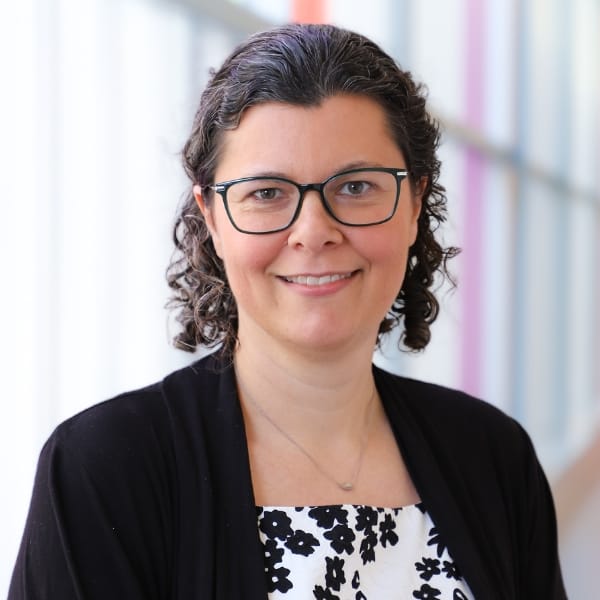
Jennifer Coelho
Director, Brain, Behaviour & Development Research Theme
Jennifer Coelho
Council Member
Director, Brain, Behaviour & Development Research Theme and Investigator, BC Children’s Hospital
Psychologist, Provincial Specialized Eating Disorders Program for Children & Adolescents, BC Children’s Hospital
Clinical Associate Professor, Department of Psychiatry, Faculty of Medicine, UBC
Dr. Jennifer Coelho is the Research Lead in the Provincial Specialized Eating Disorders Program for Children & Adolescents, based at BC Children’s Hospital. Research in the Eating Disorders Program is integrated with clinical care. The research team invites children, youth, and families who are engaged in clinical care in the Eating Disorders Program to take part in research to help improve treatment and understand the perspectives and experiences of individuals with eating disorders and their families/caregivers. Dr. Coelho is also evaluating how to best provide training and consultation for clinicians who provide care for children and youth with eating disorders. As the lead for the BC Eating Disorders Research Excellence Cluster, Dr. Coelho is passionate about bringing together knowledge users and mobilizing eating disorders research into clinical practice.

Philipp Lange
Director, Childhood Diseases Research Theme
Philipp Lange
He/Him/His
Council Member
Director, Childhood Diseases Research Theme and Investigator, Michael Cuccione Childhood Cancer Research Program, BC Children’s Hospital
Canada Research Chair in Translational Proteogenomics of Pediatric Malignancies
Associate Professor, Department of Pathology and Laboratory Medicine, Faculty of Medicine, UBC
Dr. Philipp Lange’s research team strives to develop new diagnostic and therapeutic approaches to detect and treat children suffering from cancer earlier, better, and with reduced impact on their lives. His team is working to understand how cancer cells are different from healthy, normal cells in order to be able to better detect and kill cancer while leaving the rest of the body untouched. Dr. Lange’s research focuses on proteins — the structural and functional building blocks of a cell — by combining genomics and proteomics, a technology that enables us to monitor all of the proteins in our body and detect how they are changed in childhood cancer. Then, they use computational approaches to further analyze and integrate their findings and make them accessible to clinicians and fellow scientists around the world.
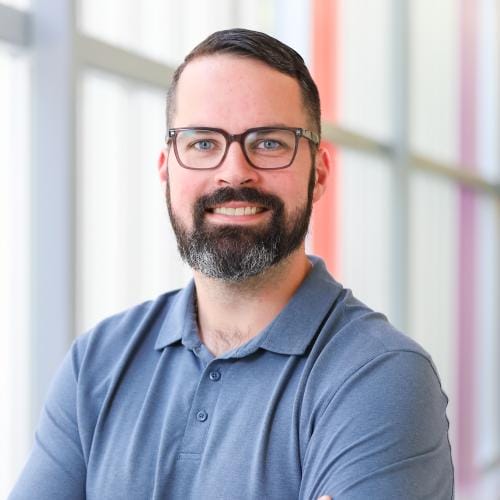
Scott Ramsay
Investigator and Nurse Clinician
Scott Ramsay
He/Him/His
Council Member
Investigator and Nurse Clinician
Assistant Professor, School of Nursing, Faculty of Applied Science, UBC
Dr. Scott Ramsay’s work addresses the role of health services and nurse-led care in pediatric health, specifically in relation to neurological conditions. Neurological conditions are disorders that occur as a result of injury, genetics, and/or exposures. They cause a disruption in normal body functions regulated by the nervous system. Pediatric neurological conditions include common conditions (e.g., migraines), acquired conditions (e.g., concussion), and rarer conditions (e.g., muscular dystrophy). Health research for children and youth with neurological conditions is limited. There are also gaps in health services research for children and youth with these conditions. The ultimate goal of Dr. Ramsay’s research program is to enhance health care for children and youth living with neurological conditions in British Columbia, focusing especially on underserved groups.
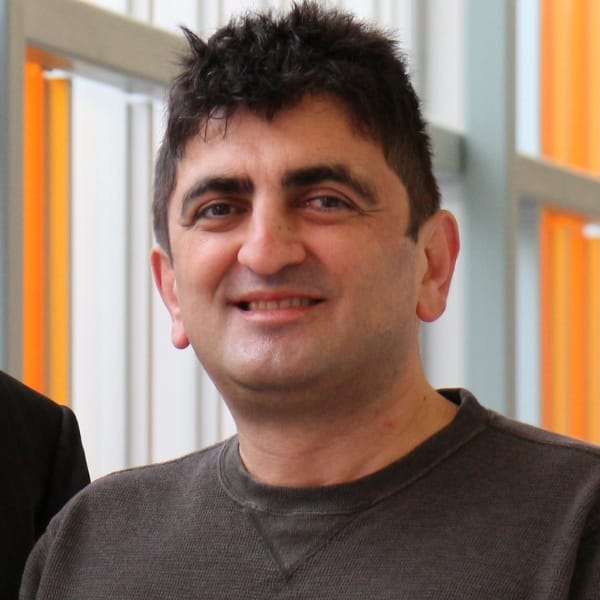
Rod Rassekh
Director, Evidence to Innovation Research Theme
Rod Rassekh
He/Him/His
Council Member
Director, Evidence to Innovation Research Theme and Investigator, Michael Cuccione Childhood Cancer Research Program, BC Children’s Hospital
Clinical Associate Professor, Division of Hematology, Oncology and Bone Marrow Transplant, Department of Pediatrics, Faculty of Medicine, UBC
Dr. Rod Rassekh’s focus is on the treatment and long-term outcomes of children treated for cancer. His specific focus is in quantifying what complications are seen in survivors of childhood cancer. Specifically, Dr. Rassekh is interested in identifying genetic markers that may help determine those who are at risk of a complication. Dr. Rassekh’s team is currently in the process of identifying genes that may explain why 20 to 50 per cent of children receiving cisplatin chemotherapy have irreversible hearing loss. His team has established a database of all adverse events in children treated through the oncology department at BC Children’s Hospital. Dr. Rassekh is also interested in using linked databases to look at hospital utilization in long-term survivors. Finally, he is interested in developing clinical trials in pediatric oncology, both locally and through the Children’s Oncology Group (COG).
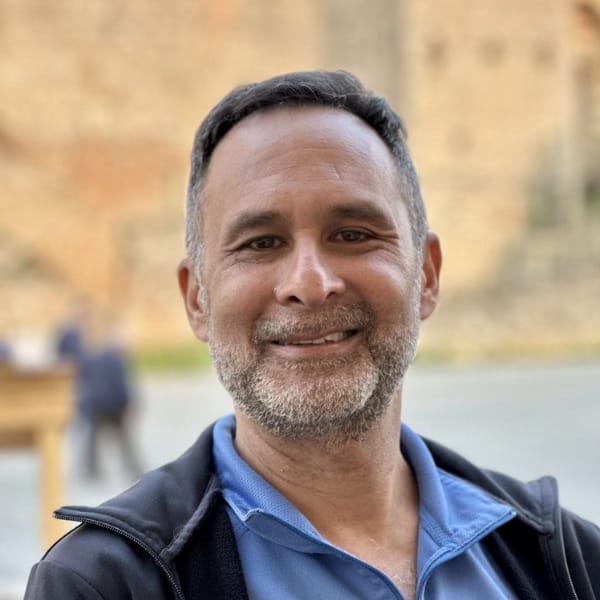
Saleem Razack
Investigator and Pediatric Intensivist
Saleem Razack
He/Him/His
Council Member
Investigator and Pediatric Intensivist, BC Children’s Hospital
Professor, Department of Pediatrics, Faculty of Medicine, UBC
Dr. Saleem Razack has always been interested in studying the processes of education in health professions programs, such as medical doctor (MD) programs. Specifically, Dr. Razack works to understand the best practices in education that result in better care for diverse and structurally marginalized populations. This work has included studying admissions barriers for diverse students entering into medical school, analyzing curricula for health equity and anti-racism, and examining the process of professional socialization and identity formation for diverse learners. Dr. Razack has used both quantitative (statistical) and qualitative (critical discourse analysis and hermeneutics) methods in his work. Dr. Razack seeks to link the understandings gained through research to educational policies for greater social justice.

Bruce Verchere
Director, Centre for Molecular Medicine and Therapeutics
Bruce Verchere
He/Him/His
Council Member
Director, Centre for Molecular Medicine and Therapeutics and Investigator, BC Children’s Hospital
Irving K. Barber Chair in Diabetes Research
Professor, Department of Surgery and Professor, Department of Pathology and Laboratory Medicine, Faculty of Medicine, UBC
In diabetes mellitus, the pancreas’s insulin-producing beta cells have impaired function or are destroyed, resulting in deficient insulin secretion. This leads to high blood glucose levels and later complications, including kidney disease and blindness. In type 1 (juvenile onset) diabetes, the patient’s own immune system kills the beta cells. In type 2 (adult onset) diabetes, the body is less sensitive to insulin produced, and the beta cells cannot secrete enough insulin to compensate. Over time, insulin secretion declines, probably due to a progressive loss of beta cells from the toxic effects of elevated blood glucose as well as the accumulation of protein-containing deposits called islet amyloid. Dr. Bruce Verchere and his team are trying to understand how beta cells normally function and why they are dysfunctional and/or are destroyed in both types of diabetes. The team hopes to devise new ways to protect beta cells, thereby slowing or preventing disease onset, and to enhance beta cell survival following transplantation of pancreatic islets into diabetic patients.
The Scientific Advisory Board provides strategic insight into BCCHR’s scientific direction. The Scientific Advisory Board provides consultation and advice to the Institute’s Executive Director with the objective of sustaining and strengthening child health research nationally and internationally and its translation to achieve benefits for children and families.
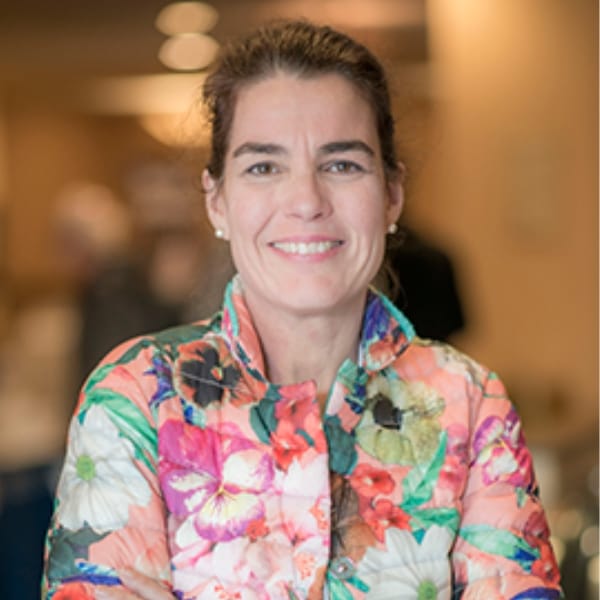
Astrid Guttmann
Professor, Institute of Health Policy, Management and Evaluation
Professor, Dalla Lana School of Public Health, University of Toronto
Astrid Guttmann
She/Her/Hers
Professor, Institute of Health Policy, Management and Evaluation
Professor, Dalla Lana School of Public Health, University of Toronto
Co-Director, Edwin S.H. Leong Centre for Healthy Children, University of Toronto
General Paediatrician and Senior Scientist, Hospital for Sick Children
Senior Scientist and Chief Science Officer, Institute for Clinical Evaluative Sciences (ICES)
Dr. Astrid Guttmann’s research aims to improve inequities in child health through population-based studies that inform or evaluate health and mental health system programs and policies. She has held three salary awards including a Research Chair from the Canadian Institutes for Health Research in Reproduction, Child and Youth Health Services, and Policy Research. Current grant-funded work includes a large-scale evaluation of Canadian refugee resettlement models assessing long-term refugee health and social outcomes and work with Southern Ontario First Nations around prenatal opioid use.
Dr. Guttmann co-leads MHASEF, a government-funded data and research initiative at ICES, which has built the capacity to report on and evaluate the Ontario Mental Health and Addictions Strategy and related programs. She sits on several scientific and policy advisory committees, including the UCL Great Ormond Street Hospital Institute of Child Health’s International External Advisory Board, and the Ontario Provincial Council for Maternal and Child Health.

Lauren Kelly
Associate Professor in Pharmacology and Therapeutics, Max Rady College of Medicine, Rady Faculty of Health Sciences, University of Manitoba
Lauren Kelly
She/Her/Hers
Associate Professor in Pharmacology and Therapeutics, Max Rady College of Medicine, Rady Faculty of Health Sciences, University of Manitoba
Clinical Trials Director and Scientist, Research Support Unit, Children’s Hospital Research Institute of Manitoba
Scientific Director, Canadian Collaborative for Childhood Cannabinoid Therapeutics
Director, Increasing Capacity for Maternal and Paediatric Clinical Trials
Dr. Lauren Kelly, Associate Professor in Pharmacology and Therapeutics at the Max Rady College of Medicine, University of Manitoba, is a distinguished figure in maternal and pediatric health. Aside from academia, Dr. Kelly is a Certified Clinical Research Professional and holds several leadership positions, including Scientific Director of the Canadian Collaborative for Childhood Cannabinoid Therapeutics, Clinical Trialist at the George and Fay Yee Centre for Healthcare Innovation, and Director of Increasing capacity for Maternal and Paediatric Clinical Trials (IMPaCT).
In her role as Clinical Trials Director and Scientist at the Children’s Hospital Research Institute of Manitoba, Dr. Kelly leads impactful studies focused on safe pharmacotherapy for children, particularly exploring the effects of opioid exposure during pregnancy and the medical use of cannabis in children and adolescents. With more than 60 publications and $7 million in funding, Dr. Kelly’s outstanding work is also recognized with several prestigious awards, including the SickKids-CIHR and Research Manitoba New Investigator Award.

Pat Levitt
W.M. Keck Provost Professor in Neurogenetics, Department of Pediatrics, Keck School of Medicine, University of Southern California (USC)
Pat Levitt
He/Him/His
W.M. Keck Provost Professor in Neurogenetics, Department of Pediatrics, Keck School of Medicine, University of Southern California (USC)
Chief Scientific Officer, Vice President, and Director, The Saban Research Institute
Simms/Mann Chair in Developmental Neurogenetics, Children’s Hospital Los Angeles (CHLA)
Dr. Pat Levitt is an elected member of the National Academy of Medicine and an elected Fellow of the American Association for the Advancement of Science and the Dana Alliance for Brain Initiatives. He is a Senior Fellow at the Center on the Developing Child at Harvard University and serves as Co-Scientific Director of the National Scientific Council on the Developing Child — a policy council that assists policymakers, service providers, and business leaders in making investments in child brain and physical health programs.
Dr. Levitt has been funded continuously by the National Institutes of Health and numerous private foundations since 1982. His basic and clinical research focuses on identifying the factors that ensure healthy development of brain architecture involved in learning, emotional behaviour, and social behaviour. Specific projects address how toxic stress responses in human infants and toddlers may be detected very early in order to develop best practices for promoting resilience and better prevention and intervention. He also engages families in research who have an autistic child with co-occurring medical conditions (e.g., gastrointestinal disorders). He has published more than 300 scientific papers and has served on the editorial boards of 10 scientific journals, including his current role as editor-in-chief of Mind, Brain, and Education.
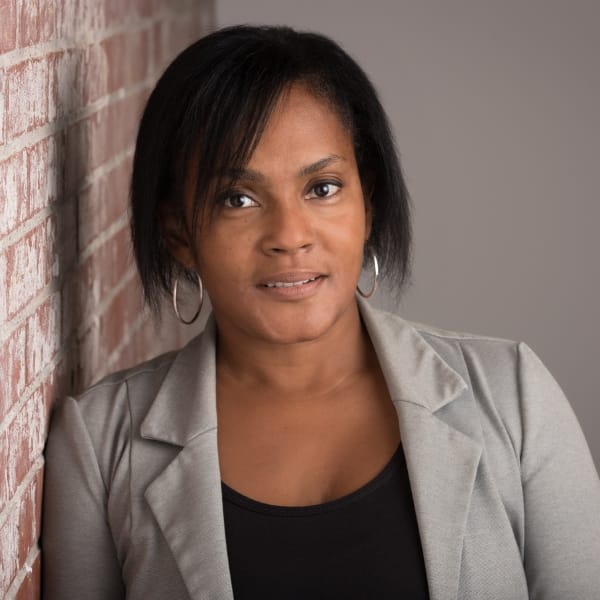
Gaynor Watson-Creed
Associate Dean, Serving and Engaging Society, Faculty of Medicine, Dalhousie University
Gaynor Watson-Creed
She/Her/Hers
Associate Dean, Serving and Engaging Society, Faculty of Medicine, Dalhousie University
Dr. Gaynor Watson-Creed is a public health physician, leader, and advocate committed to advancing health equity in diverse communities. She previously served as the Medical Officer of Health for the Halifax area and Deputy Chief Medical Officer of Health for Nova Scotia. In 2021, Dr. Watson-Creed stepped down from this role to focus on her work as the Associate Dean of the Serving and Engaging Society at Dalhousie University’s Faculty of Medicine. Beyond her academic pursuits, Dr. Watson-Creed has served on several national population health councils and boards and is the current Chair of the Advisory Board for the National Collaborating Centre for Determinants of Health.
Her outstanding work has been recognized with several awards, including the Nova Scotia Public Health Champion Award, the William Grigor Award for achievement in medicine from Doctors Nova Scotia, and the President’s Award from Public Health Physicians of Canada. In 2019, Dr. Watson-Creed was named one of the Top 100 Most Powerful Women in Canada by the Women’s Executive Network. She is the holder of honorary doctorates from both Acadia University and University of Prince Edward Island, in recognition of her many contributions to public and population health.
We’re transforming children’s lives one discovery at a time.
About BCCHR
Our researchers are driven by a tireless commitment to helping children and their families receive the best possible care and live the healthiest possible lives through innovation and the pursuit of knowledge.
Get to know us