Canada should anticipate a resurgence of a childhood respiratory virus as COVID-19 physical distancing measures are relaxed, according to BC Children’s Hospital researchers in their commentary in CMAJ (Canadian Medical Association Journal).
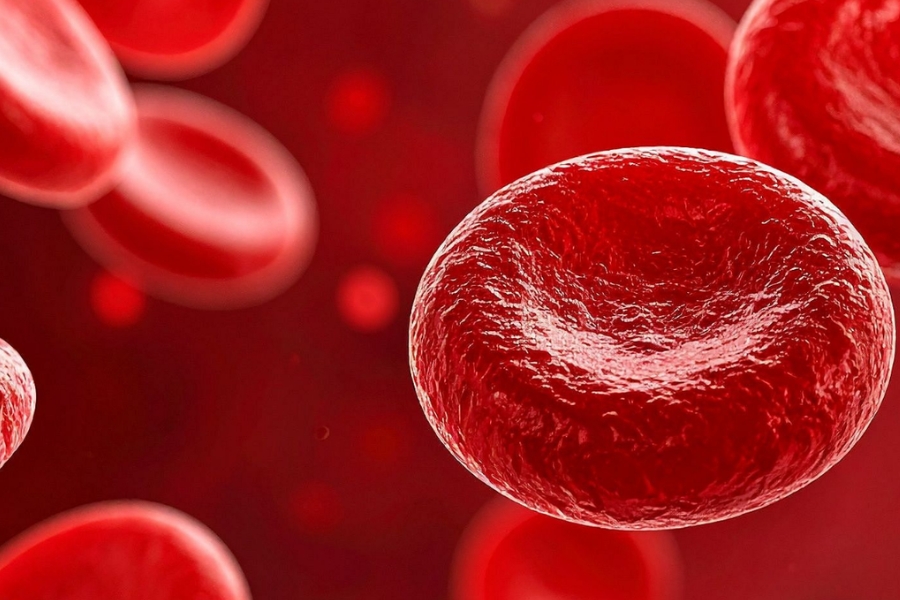
Cases of respiratory syncytial virus (RSV) have risen sharply in Australia and, more recently, the United States as COVID-19 case counts have waned and pandemic public health measures have been relaxed. Respiratory syncytial virus affects the lower respiratory tract and can cause serious illness and death. Before the COVID-19 pandemic, about 2.7 million children worldwide were infected with RSV each year, and it was the fourth most common cause of death in young children.
“The off-season resurgence in seasonal respiratory viruses now potentially poses a threat to vulnerable infants,” says Dr. Pascal Lavoie, an investigator at the BC Children’s Hospital Research Institute and an associate professor at the University of British Columbia.
During the COVID-19 pandemic, Canada, like other countries, has seen very few cases of RSV, with only 239 positive cases between August 29, 2020 and May 8, 2021, compared with 18,860 positive tests in a similar period the previous year (between August 25, 2019, and May 2, 2020).
However, an increased number of cases of RSV in Canada this summer, as in other jurisdictions, could stretch health-care resources in pediatric intensive care units (ICUs). Most pregnant women and very young infants did not develop immunity in the previous season, so children may develop more severe illness this year.
In anticipation of a potential resurgence of RSV, the authors suggest:
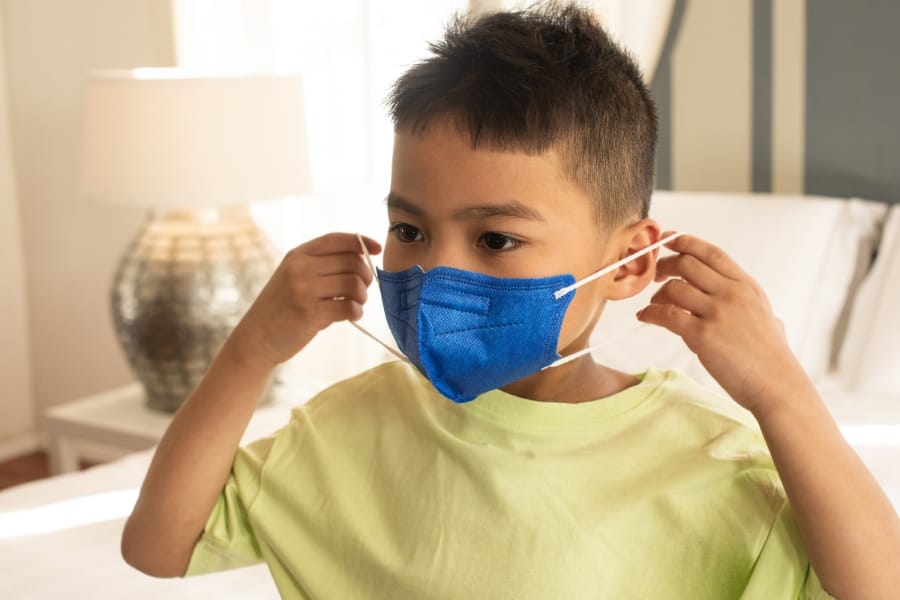
- Continued emphasis on handwashing and basic hygiene measures and other protective measures such as breastfeeding when possible
- Continued testing to confirm RSV when required
- Planning by pediatric ICUs to manage increases in severe RSV cases
- Administering preventive treatment to highest-risk infants in the summer if cases increase to the level of the normal fall season.
Credit: CMAJ news release, July 26, 2021