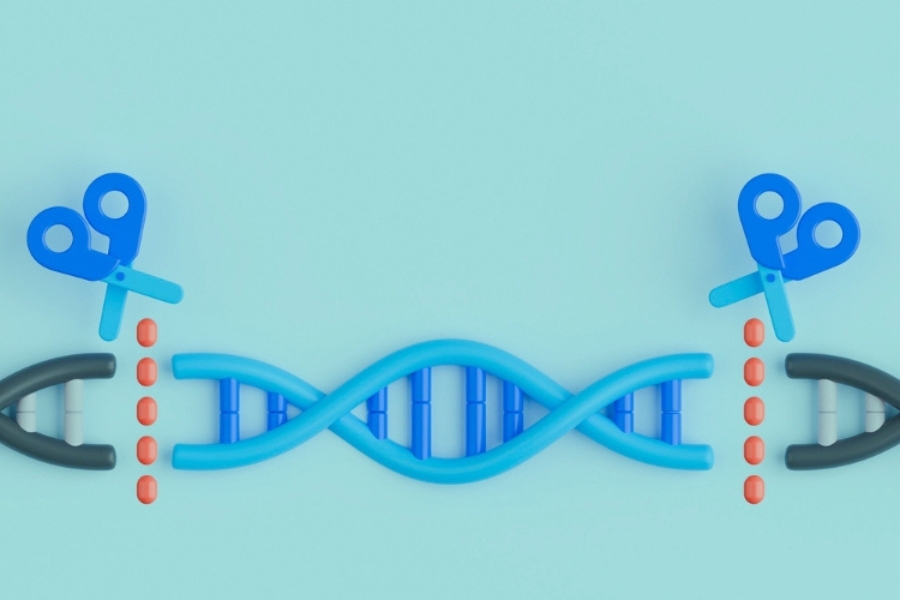
A new paper published in New England Journal of Medicine details how an 18-year-old patient being treated at BC Children’s Hospital (BCCH) for a rare disease called chronic granulomatous disease (CGD) became the first person ever to receive and be cured by a gene modification treatment known as “Prime Editing.”
Ty Sperle was the first patient of a new clinical trial to treat CGD with prime editing.
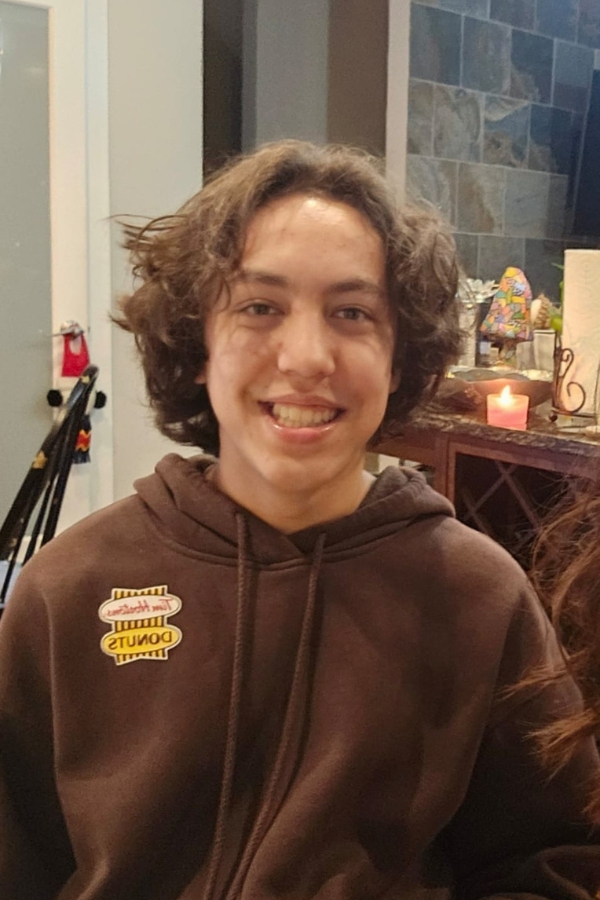
Following diagnosis at age five, Ty Sperle was treated at BCCH for CGD, an inherited disease that severely impacts the immune system and affects approximately one in 200,000 children. People with CGD have a dramatically reduced ability to fight illnesses and are extremely vulnerable to inflammatory conditions and bacterial and fungal infections. In Ty’s case, CGD-related complications included frequent skin and soft-tissue infections as well as an invasive bacterial infection in the lung. Dr. Stuart Turvey, an investigator and clinician at BC Children’s Hospital, had been treating Ty with long-term antibiotic and antifungal prophylaxis.
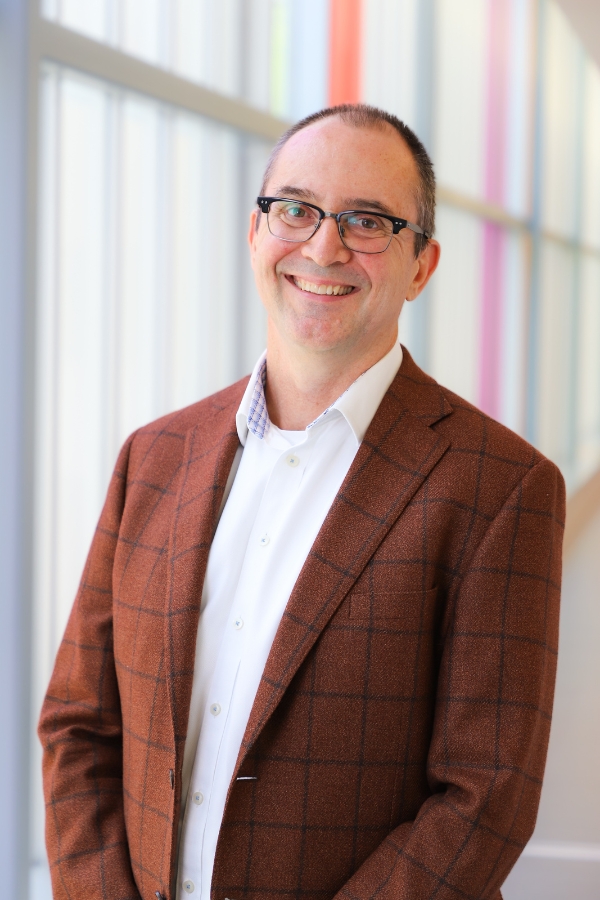
“I have been treating Ty for over a decade but, until recently, all we could offer patients with genetic conditions such as CGD is relief from the symptoms and help to keep infection at bay,” says Dr. Turvey. “That’s why I jumped at the opportunity to register Ty for this trial, as the promise of editing out the genetic mutation at the DNA level is really the only way to truly cure this disease.”
I have been treating Ty for over a decade but, until recently, all we could offer patients with genetic conditions such as CGD is relief from the symptoms and help to keep infection at bay.
– Dr. Stuart Turvey

The clinical trial, set up by US-based Prime Medicine, and run out of CHU Sainte-Justine and its research centre (Centre de recherche Azrieli du CHU Sainte-Justine), used Prime Editing to genetically modify the immune cells of patients affected by CGD. Blood stem cells from the participants were drawn and enriched before being treated with the gene editing product. The product contains the necessary components to target and correct the mutation in the gene responsible for the condition, NCF1.
“This milestone shows the power of public healthcare, research, and global collaboration,” says Josie Osborne, Minister of Health. “It’s amazing to see a young person from BC cured of a life-threatening genetic disease through innovation from clinical teams. This gives hope to families facing rare conditions and shows how smart investment in science can lead to life-changing care.”
After 24 days in hospital care at CHU Sainte-Justine for the clinical trial, Ty was discharged and his immune system’s antimicrobial activity has remained durable six months later.
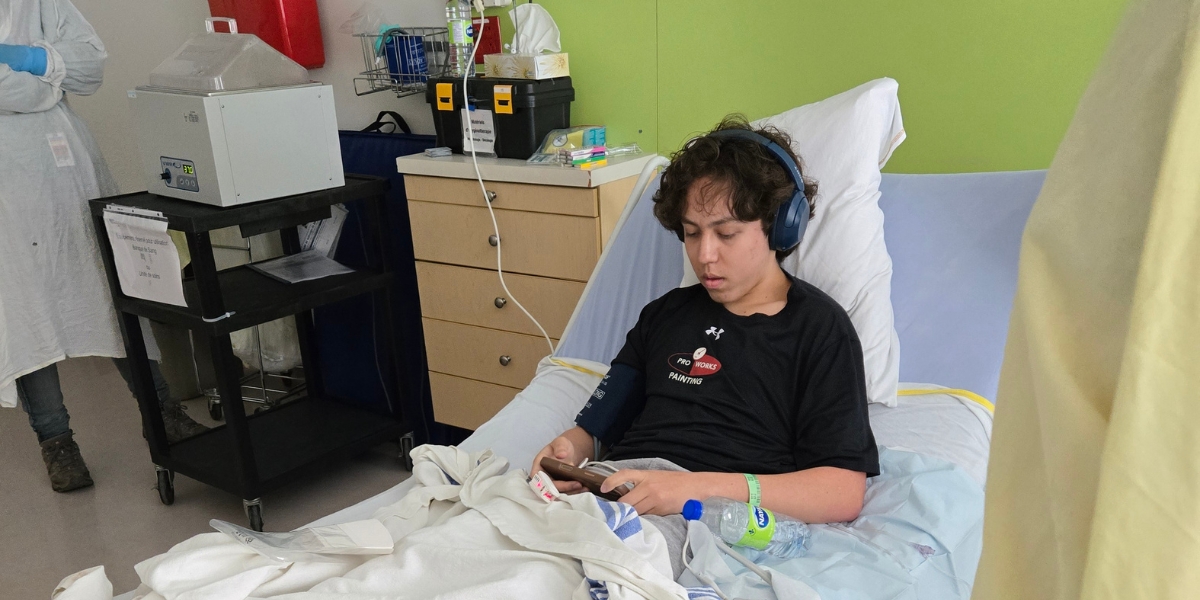
Ty received the new treatment for CGD in the summer of 2025.
“Thanks to the expertise and cutting-edge research we conduct in Canada and the team here at CHU Sainte-Justine, we are able to carry out what previously seemed impossible,” says Dr. Élie Haddad, pediatric immunologist and professor in the Department of Pediatrics at Université de Montréal. “I am delighted that this cutting-edge treatment is available and has worked so well for these patients.”
“When we got the call from Dr. Turvey I was very excited as there were no cure options for me at that time,” says Ty. “It was nerve wracking for me as I was the first patient to volunteer for this procedure, and it seemed I was the only one, so it was scary. Dr. Haddad and the Montreal team were amazing, and I believed in them and that the procedure would work. I am thrilled with the result because I am cured of CGD and can live my life fully.”