What are anxiety disorders? How are they treated? For Action Anxiety Day, we answer some common questions about anxiety disorders in children and adolescents.
As a parent, it can be heartbreaking to see your child struggle with anxiety, especially when you aren’t sure how to help them. An anxiety disorder is more than just a phase or a normal feeling of nervousness or worry. In this case, the anxiety can significantly affect your child’s daily life and even become debilitating. Understanding anxiety disorders and recognizing the signs early is crucial because the sooner a child receives help, the better their chances are for managing their anxiety effectively.
What is anxiety?
Anxiety is an emotion that can cause worried thoughts, tension, and physical symptoms, such as a rapid heart rate, shaking, or sweating. It’s a normal response to stress, and mild levels of anxiety can be helpful in certain situations by increasing alertness and focus. Children and adolescents may experience higher levels of nervousness and fear than adults, especially when facing unknown situations — this is also normal as they learn, grow, and have new experiences.
What are anxiety disorders?
A child may be diagnosed with an anxiety disorder when the fear or anxiety they’re experiencing is disproportionate and disrupts normal functioning. When anxiety becomes excessive and persistent it can significantly interfere with a child’s daily life, including their academic performance and relationships. Anxiety disorders are the most common mental health conditions, affecting roughly nine per cent of children and 11 to 19 per cent of adolescents in Canada.
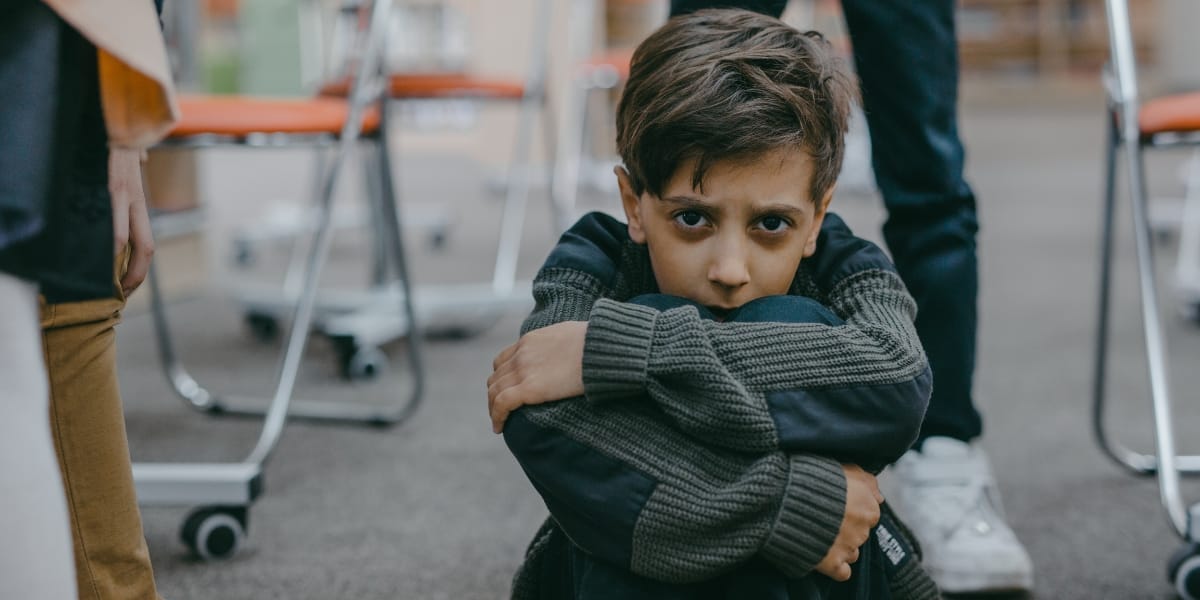
When anxiety becomes excessive and persistent it can significantly interfere with a child’s daily life, potentially affecting their grades and friendships at school.
Common types of anxiety disorders in children and youth include:
- Generalized anxiety disorder — excessive, uncontrollable, and often irrational worry about events or activities.
- Panic disorder — unexpected and recurring panic attacks, which are sudden periods of intense fear that may involve an impending sense of doom, as well as physical symptoms, such as palpitations, sweating, shaking, and shortness of breath.
- Specific phobias — an irrational, unrealistic, persistent, and excessive fear of a situation or object.
- Social anxiety disorder — an intense, persistent fear of being watched, judged, and rejected by others in social situations or while speaking or performing in public.
- Separation anxiety disorder — extreme worry or fear when apart from family members or anticipating being separated from them.
- Selective mutism — when a child can’t speak in certain social settings, despite being able to speak normally in other situations, such as at home with family.
What are the signs and symptoms of an anxiety disorder?
Children and adolescents with an anxiety disorder will often exhibit both physical and emotional symptoms, such as stomach aches, headaches, sleep disturbances, and feelings of excessive worry or fear. They are often labelled as being sensitive, shy, self-conscious, stubborn, rigid, insecure, apprehensive, and perfectionistic. Their grades may suffer, they may be reluctant to participate in extracurricular activities, and they may have a challenging time forming friendships. Parents may notice behavioural changes, including activity avoidance, clinginess, intense emotional outbursts, withdrawal, procrastination, and difficulty focusing.
It may be difficult for a child with an anxiety disorder to express what they’re feeling; they may describe feeling angry, irritable, tense, uneasy, or depressed rather than anxious. They may appear combative and show little interest in changing their behaviour or an inability to do so. It’s important to recognize the signs, as symptoms of an anxiety disorder can be missed or overlooked and mistaken for normal childhood fears, stubbornness, shyness, or other disorders.
What should I do if I suspect my child has an anxiety disorder?
If you suspect your child has an anxiety disorder, seeking professional help is vital. A health-care provider, such as your child’s family doctor or a mental health professional, can assess your child, recommend appropriate treatment options, and offer support.
It’s important to show empathy and create a safe and supportive environment for your child, allowing them to express their feelings openly. You can also teach your child skills to help them manage their anxiety, such as mindfulness, deep breathing, and other relaxation techniques. It’s also important to be patient with your child because navigating an anxiety disorder and treatment can be challenging and stressful for them, as well as you.

If you suspect your child has an anxiety disorder, seeking professional help from a health-care provider, such as your child’s family doctor or a mental health professional, is vital.
What are the treatment options for anxiety disorders?
Treatment options often include a combination of psychotherapy and medication. Cognitive-behavioural therapy, in particular, has shown great success in treating anxiety in children and youth. Medications, such as anti-depressants and anti-anxiety drugs, are also commonly used in the treatment of anxiety disorders, particularly if the anxiety is severe and persistent.
It’s important to ask about the benefits and risks associated with any recommended treatment to decide what’s best for your child. When appropriate, involve your child in the decision-making process when deciding on which treatment options are best for them.
What causes anxiety disorders?
The causes of anxiety disorders are not well understood, but it’s believed that a combination of factors can lead to an anxiety disorder. These factors include genetics, brain changes and chemistry, underlying health issues, environmental factors, and life events, such as traumatic experiences.
Research on anxiety disorders
Researchers from the Pediatric OCD and Psychiatry (POP) Research Program at BC Children’s Hospital Research Institute are trying to better understand the development of anxiety disorders among youth. In particular, they are working to understand how and why anxiety disorders develop through genetics. The Genetic Architecture of Youth Anxiety (GAYA) study is a pan-Canadian effort of clinical and genetic experts with recruitment sites in Vancouver, Calgary, Hamilton, Toronto, and Halifax. Through this study, they aim to recruit 13,000 youth across the country, making this the largest genomic study of anxiety disorders in youth in Canada.
Researchers hope this study will help identify genetic risks for anxiety disorders in youth and assess how much of this risk is shared between youth and adults. A better understanding of the genetic risk factors for anxiety disorders could potentially lead to early detection, better treatments, and improved outcomes for Canadian youth.