
Nurse turned clinical research coordinator Linda Warner has been named Gold Apple Health Care Hero by the 2020 BC Health Care Awards.
“I feel very lucky to have had a 30-year career at BC Children’s Hospital and I have loved every minute of it,” she says.
Warner began her career nursing babies of mothers who were addicted to narcotics at Sunny Hill Health Centre for Children. After a brief stint as a school nurse and educator in Japan, she returned to Vancouver as a nurse at BC Children’s and then moved into research.
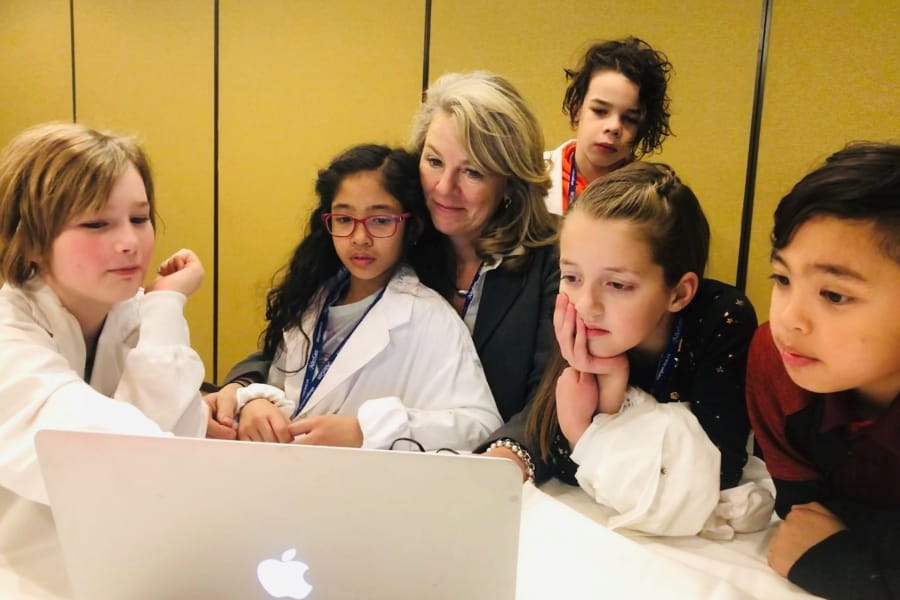
Now, as clinical research coordinator, she’s managing the Canadian Healthy Infant Longitudinal Development (CHILD) Cohort Study in Vancouver, with the goal of advancing the health and well-being of children.
“Linda is the heart and soul of CHILD study,” says Dr. Stuart Turvey, co-director of the CHILD Cohort Study and the Vancouver site study lead. “Really, probably, her greatest contribution has been to engage with the children and their families as true partners in research. This true commitment to having the patients as our partners is Linda’s legacy to the CHILD study.”
But Warner hasn’t been content to practice her passion for pediatric nursing solely through paid work. A humanitarian at heart, Warner has volunteered with charities in communities devastated by destruction and poverty, including Haiti, Dominican Republic, Mexico and Tanzania.
For four years, Warner dedicated her compassionate spirit, time and nursing expertise in Haiti, running a pediatric clinic to care for impoverished children with Rose Charities, a Canadian charity that helps people overcome poverty through education, community support and health care.
Warner worked as a first responder and provided pediatric care and assessment in Haiti. However, she and Rose Charities knew that in order to provide sustainable support, it was important to ask the Haitian health-care providers their priorities. In response to the concerns they identified, Warner helped facilitate a neonatal resuscitation teaching program for Haitian doctors and nurses, while living in adverse conditions herself. Her focus has always been on listening to the needs of others, providing education and empowering people to be active partners in their own care.
From the moment she started nursing, Warner knew she’d found her calling, and with each new experience – be it heartwarming or heartbreaking – she learned that she could make a difference. Her path has always been clear: to improve the health care and lives of children.