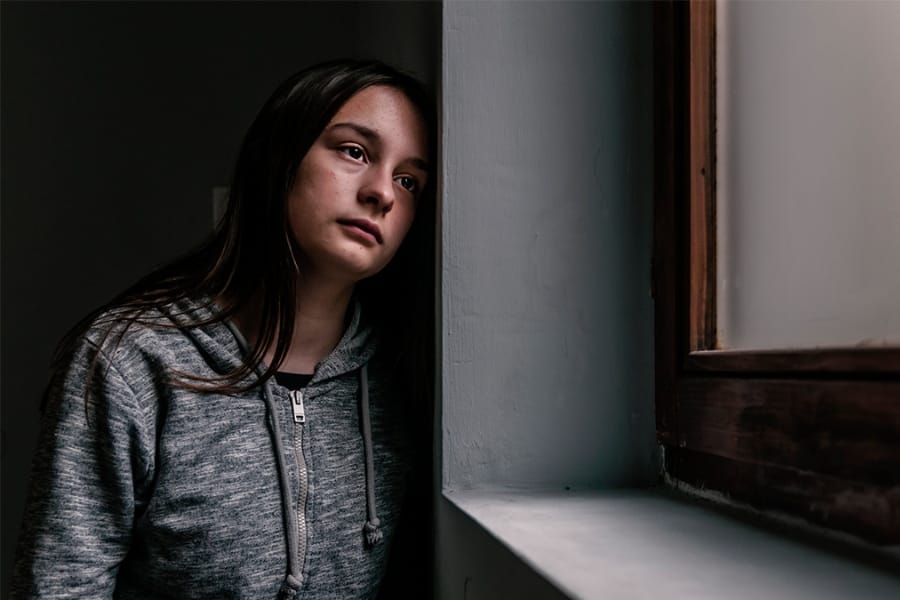
Girls age 10 to 19 living in rural BC communities with poor access to local mental health services are at the highest risk of intentionally poisoning themselves.
This is a key finding in a study led by researchers from the BC Injury Research and Prevention Unit (BCIRPU), recently published in the British Columbia Medical Journal. The study characterizes self-poisoning among 10- to 19-year-olds in BC between 2009 and 2017. Using hospital and census data as well as the locations of mental health services throughout the province, researchers found that self-poisoning rates were highest in rural areas with poorly distributed mental health services compared to urban regions.
“We need to ensure mental health supports are accessible across the province,” says Dr. Ian Pike, BCIRPU director, professor in the department of pediatrics at the University of British Columbia, and investigator with BC Children’s Hospital.
The study found that 81 per cent of the children and youth who poisoned themselves were girls.
The most common reason for adolescent self-harm is the desire to relieve psychological pain. Given the recent increases in depression diagnoses and antidepressant prescriptions for
girls age 12 to 19, mental health and antidepressant accessibility may have contributed to increased self-poisoning rates among girls.
“Although antidepressants can increase young people’s risk of suicidal thoughts, the benefits of antidepressant treatment greatly outweigh the potential dangers,” says Dr. Pike. “Physicians should monitor young patients for signs of mental health concerns, closely monitor those who are prescribed antidepressants and discuss alternative coping strategies.”
Quick Facts:
- Self-poisoning refers to purposely self-inflicted poisoning, including both attempted suicide and non-suicidal self-harm events.
- Overdoses from all drugs (including illegal drugs) were included in the study, as long as the individual was purposely poisoning themselves. Unintentional drug overdoses were not included.
- The most common substance used was non-opioid painkillers (e.g. acetaminophen and ibuprofen), while the second most common substance was medication for anxiety and depression.