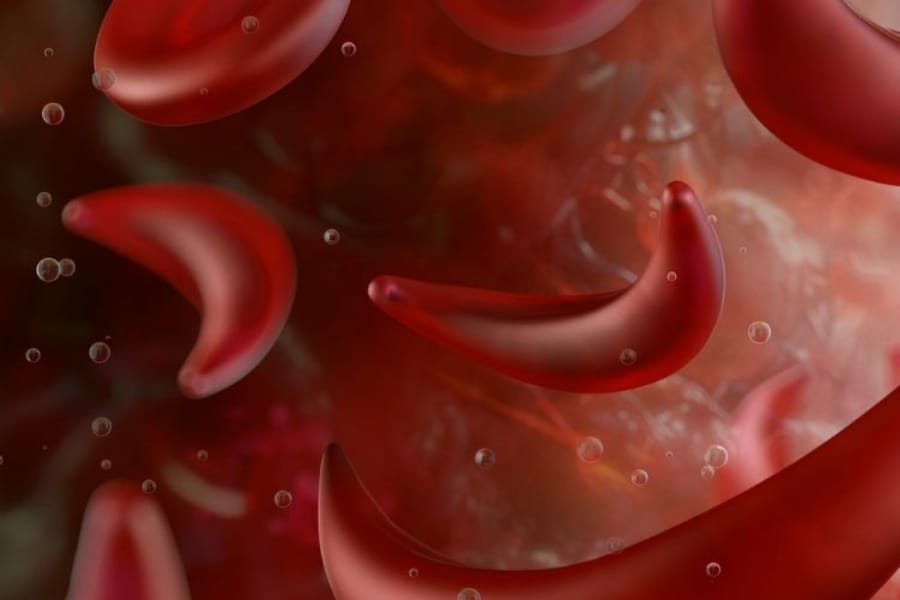
Today, June 19, is World Sickle Cell Awareness Day. Sickle cell disease is a genetically inherited disorder in which hemoglobin — the molecule that carries oxygen in red blood cells — clumps together, leading to misshapen red blood cells that form a sickle or crescent moon shape. In Canada, it is estimated that there are more than 6,000 people currently living with sickle cell disease. In BC, the number of affected individuals has doubled over the past five years, reaching approximately 300. The condition is more common among those whose ancestors are from Western Africa, South Asia, and the Middle East.
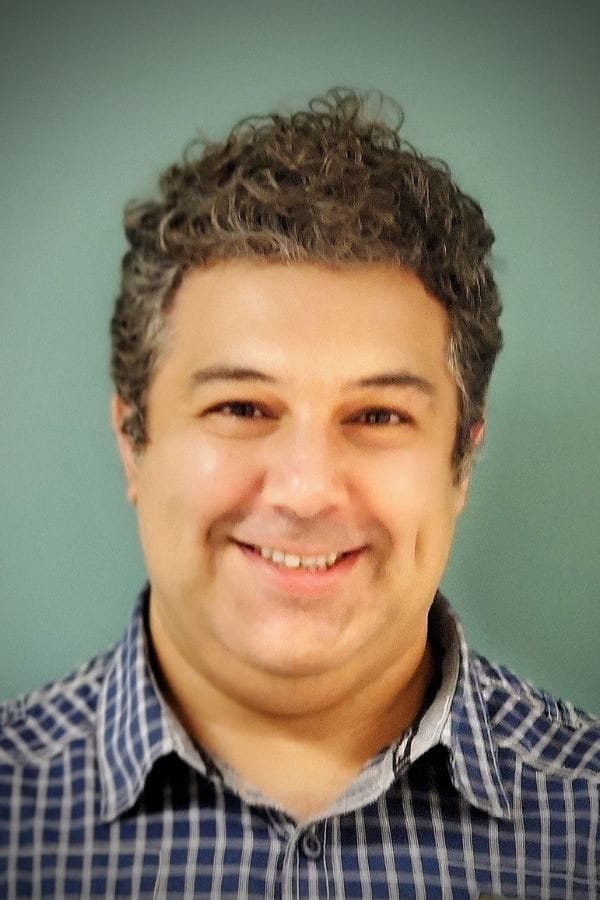
Dr. Ali Amid is a pediatric hematologist and oncologist at BC Children’s Hospital (BCCH), an investigator at BC Children’s Hospital Research Institute, and the director of the Hemoglobinopathy and Iron Overload Clinic. This clinic oversees the care of all children with sickle cell disease from both BC and the Yukon.
“Sickle cell disease is a very serious condition,” says Dr. Amid. “Children living with this disease often experience complications and require frequent hospital visits or admissions. For families, it can be isolating as there is very little recognition of the disease and it can be difficult to find support.”
Children living with this disease often experience complications and require frequent hospital visits or admissions. For families, it can be isolating as there is very little recognition of the disease and it can be difficult to find support.
– Dr. Ali Amid

Normally red blood cells are smooth and round so they can move around easily within blood vessels. Misshapen sickle cells, however, are more rigid, don’t travel as easily, and can slow or even block the flow of blood in the smaller blood vessels in the body. This can result in many complications, including susceptibility to certain life-threatening infections or episodes of severe pain in the joints or other parts of the body. Additionally, most patients with sickle cell disease have anemia — a reduced ability to transport oxygen — as sickle cells break down more quickly than healthy red blood cells. Over time, this continuous harm can result in injury to many organs in the body.
“Perhaps the most severe complication of the disease is the early damage to the spleen, an important site of the immune system,” says Dr. Amid. “As a result, children with sickle cell disease are much more susceptible to infection, which needs to be treated promptly and aggressively.”
An oral medicine called hydroxyurea is used to reduce the formation of sickle-shaped red blood cells. It is inexpensive, safe, well-tolerated and has been shown to improve the overall health and well-being of people with sickle cell anemia by increasing production of fetal hemoglobin — a different type of hemoglobin that is usually produced during fetal development. However, for children with certain complications, or for whom hydroxyurea is not effective, regular transfusions of donated blood are another option.
Blood transfusions can help alleviate many symptoms of the disease; however, they are limited in availability and regular transfusions mean multiple trips to the hospital, which can place significant physical, emotional, and logistical burdens on patients and families. Bone marrow transplants, which are potentially curative, are only available to a small number of patients due to the requirements around matching donors, and then the procedure carries its own risks and complications.
“While the Pediatric Hemoglobinopathy Clinic at BCCH, together with other multidisciplinary specialized teams, provides the highest current standard of care for children with sickle cell disease, finding better treatments is incredibly important for these families,” says Dr. Amid.
Research is ongoing to identify potential new treatments, including exciting new possibilities with genetically modified blood cells to prevent the disease, along with other innovative clinical trials.
For now, Dr. Amid is focusing on improving care with existing treatments. In a recent paper published in The American Journal of Clinical Nutrition, Dr. Amid and colleagues looked at whether children with sickle cell disease in Canada need folic acid supplementation. Normally, patients have difficulty producing folic acid naturally, but in Canada, cereal grains (such as white flour) are fortified with this important vitamin. If not needed, then this supplementation can be dropped, allowing these children to focus on the medicine they do need to manage their condition.
World Sickle Cell Awareness Day provides a great opportunity to highlight this disease and the unmet needs of the patients and their families.
– Dr. Ali Amid
The clinic is also involved in clinical trials aimed at developing better diagnostic approaches for patients in low-resource settings, with recent results published in The Lancet Regional Health – Southeast Asia. It is also participating in other international studies investigating novel medications and other treatment strategies.
“World Sickle Cell Awareness Day provides a great opportunity to highlight this disease and the unmet needs of the patients and their families,” says Dr. Amid. “A greater awareness of the condition can help remove the isolation felt by families managing a poorly understood chronic illness and hopefully inform more people that they could be donors and help relieve a lot of the symptoms for children with these conditions.”