
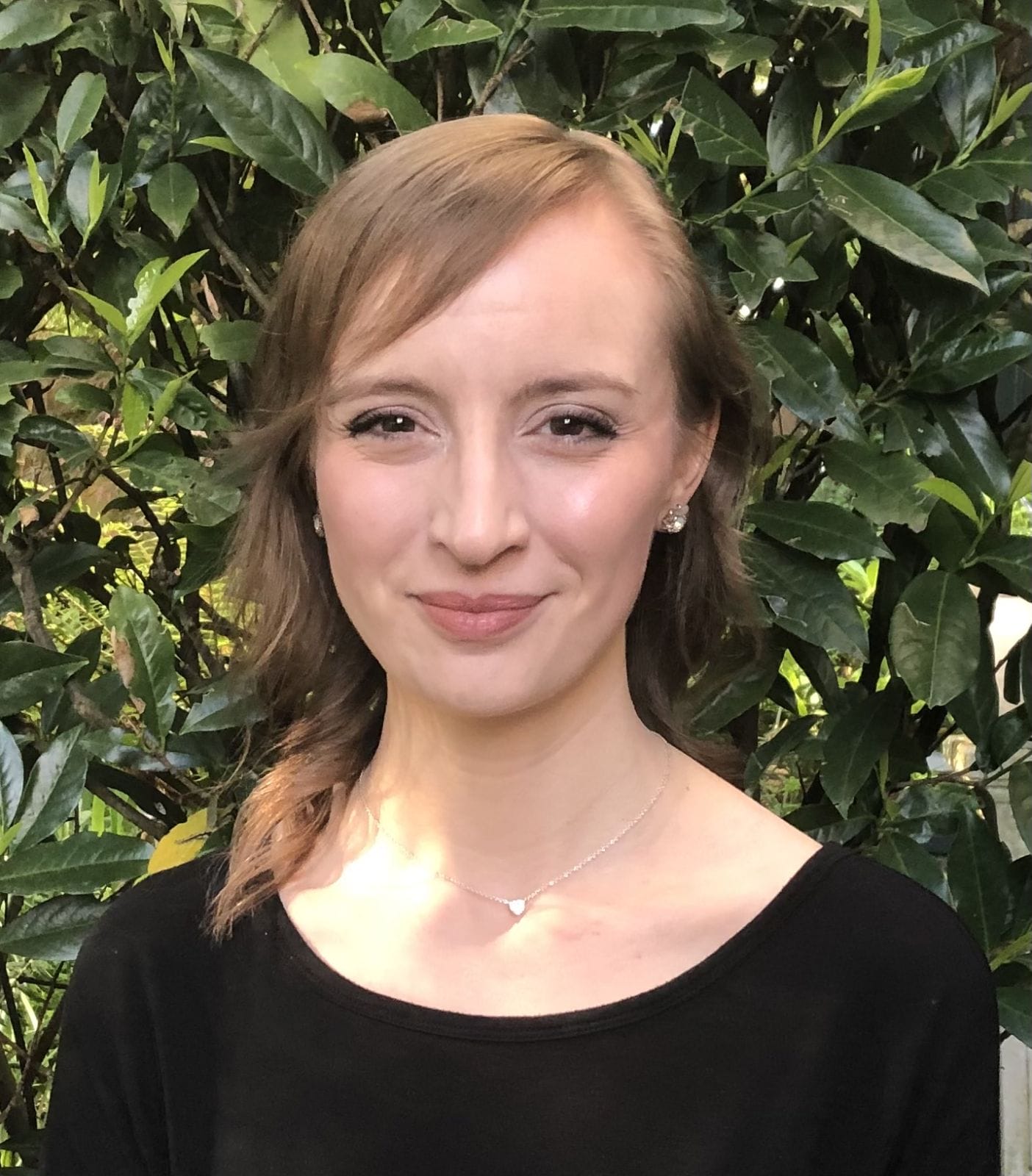
Catrina Loucks
BHSc, MSc, PhD
Investigator, BC Children's Hospital
Clinical Pharmacology & Therapeutics
Xiao Yu Cindy Zhang and Erika N. Scott and Hedy Maagdenberg and Alice Man and Kathy H. Li and S. Rod Rassekh and Bruce C. Carleton and Colin J. D. Ross and Wyeth W. Wasserman and Catrina M. Loucks
DOI: 10.1002/cpt.7013502 / 2026
Canadian Journal of Physiology and Pharmacology
Erika N. Scott and Laura P. Simonson and Catrina M. Loucks
DOI: 10.1139/cjpp-2025-030401 / 2026
Canadian Journal of Physiology and Pharmacology
Graeme F. Ernest-Hoar and Mia E. Simmons and Catrina M. Loucks
DOI: 10.1139/cjpp-2025-030301 / 2026
Pediatric Blood and Cancer
Anderson, S.J. and Scott, E.N. and Raack, E.J. and Chang, W.-C. and C{\'o}rdova-Delgado, M. and Trueman, J.N. and Loucks, C.M. and Rassekh, S.R. and Ross, C.J.D. and Carleton, B.C.
DOI: 10.1002/pbc.31668Anesthesia and Analgesia
Gheshlaghi, N. and Mufti, K. and Zhang, J.H. and Scott, E.N. and Maharaj, A. and Loucks, C.M.
DOI: 10.1213/ANE.0000000000007732Anesthesia and Analgesia
Mufti, K. and Ju{\'a}rez-Hern{\'a}ndez, J.E. and Gheshlaghi, N. and Lovnicki, J.M. and Rassekh, S.R. and Ross, C.J.D. and Carleton, B.C. and Loucks, C.M.
DOI: 10.1213/ANE.0000000000007349Journal of Clinical Pharmacology
Cordova-Delgado, M. and Scott, E.N. and Rassekh, S.R. and Loucks, C.M. and Chang, W.-C. and Raack, E.J. and Trueman, J.N. and Ross, C.J.D. and Carleton, B.C.
DOI: 10.1002/jcph.70084Research Square
Lee, J.J. and Scheuren, P.S. and Liu, H. and Laule, C. and Loucks, C.M. and Kramer, J.L.K.
DOI: 10.21203/rs.3.rs-4001523/v1Npj Genomic Medicine
Mufti, K. and Cordova, M. and Scott, E.N. and Trueman, J.N. and Lovnicki, J.M. and Loucks, C.M. and Rassekh, S.R. and Ross, C.J.D. and Carleton, B.C. and Kulkarni, K. and Forbrigger, Z. and Goralski, K. and Tran, T.H. and Krajinovic, M. and Lebel, D. and Jean-Baptiste, T.-R. and Bussi{\`e}res, J. and Ibrahim, M. and Johnston, D. and Nathan, P. and Ghimire, H. and Lewis, T. and Abuzgaia, A. and Rieder, M. and Khalaj, S. and Felton, K. and Cuvelier, G. and Staub, M. and Jong, G.?. and Riabowol, G. and Guilcher, G. and Abbasi, F. and Perreault, A. and Gyawali, B. and Pecheux, L. and Yau, D. and Miao, F. and Li, K. and Chang, W.-C. and Higginson, M. and Groeneweg, G.S.S.
DOI: 10.1038/s41525-024-00443-7Computers in Biology and Medicine
Arab, A. and Kashani, B. and Cordova-Delgado, M. and Scott, E.N. and Alemi, K. and Trueman, J. and Groeneweg, G. and Chang, W.-C. and Loucks, C.M. and Ross, C.J.D. and Carleton, B.C. and Ester, M.
DOI: 10.1016/j.compbiomed.2024.109324Therapeutic Drug Monitoring
Scott, E.N. and Joseph, A.A. and Dhanda, A. and Tanoshima, R. and Brooks, B. and Rod Rassekh, S. and Ross, C.J.D. and Carleton, B.C. and Loucks, C.M.
DOI: 10.1097/FTD.0000000000001113Therapeutic Drug Monitoring
Siemens, A. and Brooks, B. and Rassekh, S.R. and Meijer, A.J.M. and Van Den Heuvel-Eibrink, M.M. and Xu, W. and Loucks, C.M. and Ross, C.J.D. and Carleton, B.C.
DOI: 10.1097/FTD.0000000000001085Basic and Clinical Pharmacology and Toxicology
Loucks, C.M. and Yan, K. and Tanoshima, R. and Ross, C.J.D. and Rassekh, S.R. and Carleton, B.C.
DOI: 10.1111/bcpt.13593Liver International
Loucks, C.M. and Lin, J.J. and Trueman, J.N. and Drgemller, B.I. and Wright, G.E.B. and Chang, W.-C. and Li, K.H. and Yoshida, E.M. and Ford, J.-A. and Lee, S.S. and Crotty, P. and Kim, R.B. and Al-Judaibi, B. and Schwarz, U.I. and Ramji, A. and Farivar, J.F. and Tam, E. and Walston, L.L. and Ross, C.J.D. and Carleton, B.C.
DOI: 10.1111/liv.15175Biomedicine and Pharmacotherapy
Lin, J.J. and Loucks, C.M. and Trueman, J.N. and Drgemller, B.I. and Wright, G.E.B. and Yoshida, E.M. and Ford, J.-A. and Lee, S.S. and Kim, R.B. and Al-Judaibi, B. and Schwarz, U.I. and Ramji, A. and Tam, E. and Ross, C.J. and Carleton, B.C.
DOI: 10.1016/j.biopha.2021.112195Canadian family physician Medecin de famille canadien
Loucks, C.M. and Groeneweg, G. and Roy, C. and Lee, D.K. and Rieder, M.J. and Lebel, D. and Ito, S. and Ross, C.J. and Carleton, B.C.
Canadian Family Physician
Loucks, C.M. and Groeneweg, G. and Roy, C. and Lee, D.K. and Rieder, M.J. and Lebel, D. and Ito, S. and Ross, C.J. and Carleton, B.C.
Breast Cancer Research and Treatment
Drgemller, B.I. and Wright, G.E.B. and Shih, J. and Monzon, J.G. and Gelmon, K.A. and Ross, C.J.D. and Amstutz, U. and Carleton, B.C. and Chang, W.C. and Connolly, M.B. and Dionne, F. and Groeneweg, G. and Loucks, C.M. and MacLeod, S.M. and Pritchard, S. and Rassekh, S.R. and Sanatani, S. and Tanoshima, R. and Virani, S.A. and Monzon, J.G. and Bhavsar, A.P. and Rieder, M.J. and Shear, N.H. and Liu, G. and Khayat, P. and Bernstein, D. and Lesko, L.J. and Aminkeng, F.
DOI: 10.1007/s10549-018-5027-0eLife
Loucks, C.M. and Park, K. and Walker, D.S. and McEwan, A.H. and Timbers, T.A. and Ardiel, E.L. and Grundy, L.J. and Li, C. and Johnson, J.-L. and Kennedy, J. and Blacque, O.E. and Schafer, W. and Rankin, C.H. and Leroux, M.R.
DOI: 10.7554/eLife.37271Molecular Biology of the Cell
Loucks, C.M. and Bialas, N.J. and Dekkers, M.P.J. and Walker, D.S. and Grundy, L.J. and Li, C. and Inglis, P.N. and Kida, K. and Schafer, W.R. and Blacque, O.E. and Jansen, G. and Leroux, M.R.
DOI: 10.1091/mbc.E15-07-0490Human Mutation
Loucks, C.M. and Parboosingh, J.S. and Shaheen, R. and Bernier, F.P. and Mcleod, D.R. and Seidahmed, M.Z. and Puffenberger, E.G. and Ober, C. and Hegele, R.A. and Boycott, K.M. and Alkuraya, F.S. and Innes, A.M.
DOI: 10.1002/humu.22843American Journal of Human Genetics
Shaheen, R. and Shamseldin, H.E. and Loucks, C.M. and Seidahmed, M.Z. and Ansari, S. and Ibrahim Khalil, M. and Al-Yacoub, N. and Davis, E.E. and Mola, N.A. and Szymanska, K. and Herridge, W. and Chudley, A.E. and Chodirker, B.N. and Schwartzentruber, J. and Majewski, J. and Katsanis, N. and Poizat, C. and Johnson, C.A. and Parboosingh, J. and Boycott, K.M. and Innes, A.M. and Alkuraya, F.S.
DOI: 10.1016/j.ajhg.2013.11.010American Journal of Human Genetics
Bgershausen, N. and Shahrzad, N. and Chong, J.X. and Von Kleist-Retzow, J.-C. and Stanga, D. and Li, Y. and Bernier, F.P. and Loucks, C.M. and Wirth, R. and Puffenberger, E.G. and Hegele, R.A. and Schreml, J. and Lapointe, G. and Keupp, K. and Brett, C.L. and Anderson, R. and Hahn, A. and Innes, A.M. and Suchowersky, O. and Mets, M.B. and Nrnberg, G. and McLeod, D.R. and Thiele, H. and Waggoner, D. and Altmller, J. and Boycott, K.M. and Schoser, B. and Nrnberg, P. and Ober, C. and Heller, R. and Parboosingh, J.S. and Wollnik, B. and Sacher, M. and Lamont, R.E.
DOI: 10.1016/j.ajhg.2013.05.028American Journal of Medical Genetics, Part A
Loucks, C. and Parboosingh, J.S. and Chong, J.X. and Ober, C. and Siu, V.M. and Hegele, R.A. and Rupar, C.A. and Mcleod, D.R. and Pinto, A. and Chudley, A.E. and Innes, A.M.
DOI: 10.1002/ajmg.a.35302Advances in Experimental Medicine and Biology
Lodha, N. and Loucks, C.M. and Beaulieu, C. and Parboosingh, J.S. and Bech-Hansen, N.T.
DOI: 10.1007/978-1-4614-0631-0_48American Journal of Human Genetics
Huang, L. and Szymanska, K. and Jensen, V.L. and Janecke, A.R. and Innes, A.M. and Davis, E.E. and Frosk, P. and Li, C. and Willer, J.R. and Chodirker, B.N. and Greenberg, C.R. and McLeod, D.R. and Bernier, F.P. and Chudley, A.E. and Mller, T. and Shboul, M. and Logan, C.V. and Loucks, C.M. and Beaulieu, C.L. and Bowie, R.V. and Bell, S.M. and Adkins, J. and Zuniga, F.I. and Ross, K.D. and Wang, J. and Ban, M.R. and Becker, C. and Nrnberg, P. and Douglas, S. and Craft, C.M. and Akimenko, M.-A. and Hegele, R.A. and Ober, C. and Utermann, G. and Bolz, H.J. and Bulman, D.E. and Katsanis, N. and Blacque, O.E. and Doherty, D. and Parboosingh, J.S. and Leroux, M.R. and Johnson, C.A. and Boycott, K.M.
DOI: 10.1016/j.ajhg.2011.11.005Oral morphine is commonly used for pain relief in children, yet individual responses are often difficult to predict. Specifically, some children will experience inadequate pain relief while others may be at risk of suffering life-threatening consequences. Individual genetic differences have been found to contribute to the likelihood that morphine will be both safe and effective for a particular child. However, it remains uncertain how identified genetic factors could be used to improve pain management due to limited investigations or inconsistent findings. We are using both pharmacogenomics, the study of how genetic variability contributes to individual drug responses, and pharmacokinetics, the study of how drugs are processed inside the body, to identify individual characteristics that reliably help predict a child’s response to morphine prior to treatment. To do this, we will recruit childhood cancer patients treated with oral morphine for pain relief, collect detailed information on how morphine is processed in different children, and generate genetic data to develop a pharmacokinetic-pharmacogenomic model to help explain, and eventually predict, variable responses. This work will pave the way to better dosing strategies and allow patients and clinicians to appropriately balance the benefits and risks associated with morphine-based pain management.
Pain as a result of specific anti-cancer drugs is commonly encountered in both children and adults. However, while some patients suffer pain as a result of treatment, other similarly-treated patients are spared from this pain. For example, methotrexate is effectively used to treat several cancers, yet some patients develop mucositis, a painful inflammation and ulceration of mucosal linings found at various locations throughout the body (e.g., the eyes, ears, mouth, digestive tract and vagina). Mucositis is particularly distressing for children, and in severe cases, it is life-threatening due to increased susceptibility to infection or the inability to proceed with anti-cancer drug treatment. Although 28 genetic variants have been significantly associated with methotrexate-induced mucositis in at least one study, their predictive value remains uncertain due to limited replication attempts or inconsistency between studies. We have recruited methotrexate-treated children from across Canada, collected detailed information on treatments received (and symptoms suffered), and generated comprehensive genetic data to identify genetic factors that can predict who is most likely to develop painful mucositis. Ultimately, identified genetic factors will be used to design predictive genetic tests that will guide pain management strategies to limit, or even prevent, unnecessary pain encountered during cancer treatment.
BC Children’s Hospital Research Institute Evidence to Innovation (E2i) Research Theme Seed Grant: “Development of a pharmacokinetic-pharmacogenomic model to enhance morphine-based pain management in children” (2021)
Canadian Institutes of Health Research (CIHR) Drug Safety and Effectiveness Cross-Disciplinary Training (DSECT) Award (Stream 2, advanced skill training) (2020-2021)
Peter Dresel Trainee Presentation Award at the CSPT (Canadian Society of Pharmacology and Therapeutics) 2020 Virtual Conference (2020)
Canadian Institutes of Health Research (CIHR) Fellowship (2020-2021)
BC Children’s Hospital Research Institute Bertram Hoffmeister Postdoctoral Fellowship (2018-2019)
Canadian Institutes of Health Research (CIHR) Drug Safety and Effectiveness Cross-Disciplinary Training (DSECT) Award (Stream 1, foundational skill training) (2018-2019)
Every day, our researchers work towards breakthroughs to transform the lives of kids in BC and around the world. Learn about our latest innovations and advancements in child health.

BC Children’s Hospital Research Institute (BCCHR) is pleased to congratulate the recipients of the 2025 Outstanding Achievement Awards. This program, generously funded by the BC Children’s Hospital Foundation, plays a pivotal role in acknowledging and nurturing excellence within our research community.

For some children with cancer the most painful part of their journey is when they start receiving life-saving treatment. To improve care for these and other sick children, it’s essential to understand why pain can be more intense in some kids than others, and how pain medications can potentially cause harmful reactions.
At BC Children’s, we are making discoveries that save lives and transform health care for children in our province and around the world. Our research portfolio includes basic, clinical, population, and public health research.
EXPLORE OUR RESEARCH
Sign up for compelling stories about innovative science, the doctors and researchers who turn ideas into discoveries and treatments, and the kids and families whose lives are changed.
BC Children's Hospital Research Institute operates on the ancestral and unceded territory of the Coast Salish peoples — xʷməθkʷəy̓əm (Musqueam), Sḵwx̱wú7mesh (Squamish), and Səl̓ílwətaʔ/Selilwitulh (Tsleil-Waututh) Nations. Further, this acknowledgement, gratitude, and respect extends to all of the First Nations communities on whose territories the Research Institute builds relationships and operates in British Columbia.
© 2026 BC Children’s Hospital Research Institute. All rights reserved.
Crafted with by Forge and Smith