
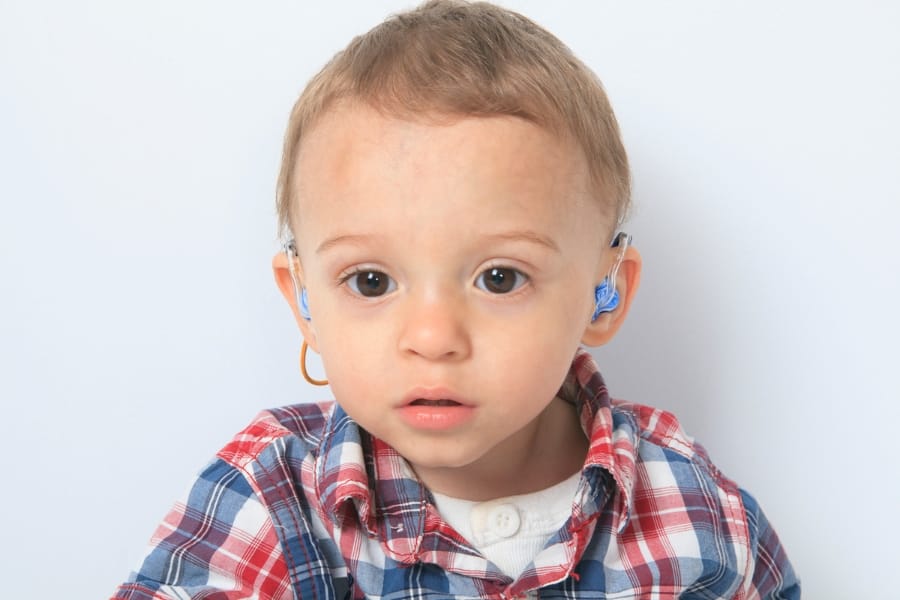
The chemotherapy drug cisplatin is an effective cancer treatment for many children with the disease, but it can also cause permanent hearing loss. Results from a new study show that the hearing of very young children is impacted early during treatment and is affected to a greater extent than that of older children. This is significant as even a moderate loss of hearing can impact social development in children, particularly when it occurs during a peak time of language acquisition.
The findings were published by Wiley early online in Cancer, a peer-reviewed journal of the American Cancer Society.
Previous studies have shown that up to 60 per cent of children treated with cisplatin suffer from hearing loss and that 40 per cent of those children will need hearing aids.
To detail the course of cisplatin-related hearing loss, Dr. Bruce Carleton, an investigator and director of the Pharmaceutical Outcomes Programme at BC Children’s Hospital, and his colleagues examined data from 368 Canadian childhood cancer patients who received cisplatin and underwent a total of 2,052 audiological assessments. All of the patients had completed cisplatin therapy.
Three years after starting therapy, 75 per cent of patients five years old and younger, and 48 per cent of patients older than five had experienced cisplatin-related hearing loss.
One year after initiating therapy, 61 per cent of patients age five and younger had experienced cisplatin-related hearing loss, whereas at three months, 27 per cent of the same age group had experienced hearing loss.
A higher total dose of cisplatin at three months, co-prescriptions of the chemotherapy drug vincristine, and a longer duration of concurrently administered antibiotics exacerbated cisplatin-related hearing loss over time.
The underlying mechanism explaining the higher occurrence of cisplatin-related hearing loss in young children remains unclear, but maturing structures within the inner ear might be more vulnerable to the toxic effects of cisplatin.
“These results emphasize the need for audiological monitoring with each cycle of cisplatin treatment,” said Dr. Carleton, who is also a professor at the University of British Columbia’s faculty of medicine and director of the Provincial Health Services Authority’s Therapeutic Evaluation Unit. “Further investigation is needed to illuminate why younger children are more vulnerable to hearing loss and how best to protect hearing while administering this life-saving therapy.”
Dr. Penelope Brock of Great Ormond Street Hospital in London, U.K. authored an editorial that accompanies the study. She said that the work “comes from an excellent international collaboration between audiologists and oncologists and brings new insight into this extremely serious life-impacting direct effect of cisplatin on children.”