

Children and adolescents with arthritis can experience pain, joint swelling, and stiffness that can impact routine activities, such as writing, playing sports, and getting dressed. Juvenile idiopathic arthritis (JIA) is an umbrella term for a group of conditions characterized by chronic inflammation in the joints. “If patients report pain but there’s no inflammation in the joints, it’s not arthritis,” says Dr. Jaime Guzman, investigator at BC Children’s Hospital Research Institute (BCCHR). ”And if the cause of arthritis is known, it’s not JIA.”
There’s evidence that a personalized approach that finds the best combination of different treatments for each patient can lead to better outcomes.
– Dr. Jaime Guzman


Dr. Guzman’s team is investigating the trajectory of physical function and quality of life in patients with JIA. “There’s evidence that a personalized approach that finds the best combination of different treatments for each patient can lead to better outcomes, reducing functional impairments and increasing quality of life,” he says. Since quality of life can substantially decline if patients don’t receive adequate treatment, the findings give hope to many families.
Chronic arthritis may appear in different forms, but caregivers can pay attention to specific signs — particularly relevant because children under the age of seven may not be able to express themselves clearly. “They might not complain about pain, but they could be limping or asking to be carried frequently,” says Dr. Guzman, who is also a clinical associate professor in the Department of Pediatrics at the University of British Columbia. An early sign that may also be present is pain that worsens in the morning. “If children wake up with difficulty walking, going up stairs, or moving in general after resting a full night, families should talk to their pediatricians.”

Some signs, such as limping or being asked to be carried frequently, can indicate that a child might have chronic arthritis.
The diagnosis of JIA peaks in two periods: from three to eight and from 12 to 14 years old. On average, JIA is twice more frequent in female patients and more severe in Indigenous children, as they experience more joints affected at diagnosis than non-Indigenous peers. It’s also important to note that patients with JIA are at a higher risk of an eye inflammation known as uveitis, so regular visits to the eye doctor are advisable. Early identification of symptoms, diagnosis, and treatment are crucial to avoid complications and prevent vision loss.
Until the early 2000s, it wasn’t rare for patients with JIA to be affected by joint deformities and severe disability that required the use of wheelchairs for improved mobility. Joint deformities occur when chronic inflammation and loss of cartilage damage the tissue, tendons, and bones that hold a joint in alignment. “Those cases are rare nowadays because treatment has been changing over the last 20 years, and we have more effective ways of managing and treating JIA,” says Dr. Guzman. “Many children may require treatment only for a period of time, which is, on average, five years.”

The diagnosis of JIA peaks in two periods: from three to eight and from 12 to 14 years old.
Modern treatments are one of the main aspects influencing better health outcomes for children and adolescents with JIA. These days, more patients have access to care, and there is more knowledge about arthritis. Changes in care have also influenced the treatment plan, as there are more supports available than decades ago, such as an increased number of pediatric rheumatologists, physical therapists, occupational therapists, and nurses who can all work together to support families.
In a study published in the Arthritis Care & Research journal, Dr. Guzman’s team examined the trajectory of physical function in 940 pediatric patients diagnosed between 2017 and 2024. These children and adolescents are part of the Canadian Alliance of Pediatric Rheumatology Investigators (CAPRI) Registry, a collection of long-term information on patients with JIA across the country. The researchers looked into factors that may lead to functional impairments and characteristics that may predict this trajectory. “This data is key because identifying patients at high risk for long-term functional impairments early enables timely, targeted preventive interventions,” he says.
The research team found that most of the patients in the study had, at diagnosis, mild to moderate functional impairments — only a few joints affected — that resolved in one to two years, while one in three were impacted by mild persisting impairments. “There were very few patients with significant disabilities,” says Dr. Guzman. “Evidence shows that, if children and adolescents with JIA receive the modern treatments available, their condition will not lead to severe impairments.”

The collaboration between pediatric rheumatologists, physiotherapists, and occupational therapists helps reduce the impact of JIA, symptoms, and pain on younger patients.
In another study, published in The Journal of Rheumatology, the researchers analyzed changes in the quality of life by comparing two Canadian cohorts — one from 2017 to 2023, and the other from 2005 to 2010 — of patients newly diagnosed with JIA. “We found that, overall, the quality of life of patients with mild impairment didn’t change significantly, but the ones who had a more severe form of JIA at diagnosis are now doing much better than a decade before,” says Dr. Guzman. “These studies inform families on what to expect when JIA is managed with modern treatments.”
Nowadays, health-care teams recommend three ways to manage JIA: medication, non-pharmacological treatments, and care at home. “For most kids, we find a combination that works well, and non-pharmacological management is essential,” says Dr. Guzman, noting that collaboration with physiotherapists and occupational therapists helps reduce the impact of the disease, symptoms, and pain on younger patients. At home, children are encouraged to keep doing physical activities that are compatible with their condition, resting properly, and eating a nutritive diet focused on natural foods rather than processed alternatives.

Health-care teams rely on four main lines of treatment to care for pediatric patients with JIA, including nonsteroidal anti-inflammatory drugs and corticosteroids.
Health-care teams rely on four main lines of treatment to care for patients with JIA. The first line involves nonsteroidal anti-inflammatory drugs (NSAIDs), such as ibuprofen and naproxen. “That’s all some kids need,” says Dr. Guzman. The second line of treatment focuses on slow-acting medications such as methotrexate, a disease-modifying anti-rheumatic drug (DMARD) that is prescribed for a longer period of time.
The third line includes biologic medications, proteins made by living cells that are more precise in targeting the immune system. The fourth line of treatment centres on corticosteroids — synthetic drugs that mimic cortisol, a hormone naturally produced in the body. Corticosteroids can be adjusted to fit a child’s needs and are one of the faster ways to reduce inflammation. However, it can cause multiple side effects if taken regularly. “When they’re indicated, we opt for injecting it directly in the joint or prescribing it only for a short time,” says Dr. Guzman. “Once symptoms are reduced, we continue to manage JIA with other options.”
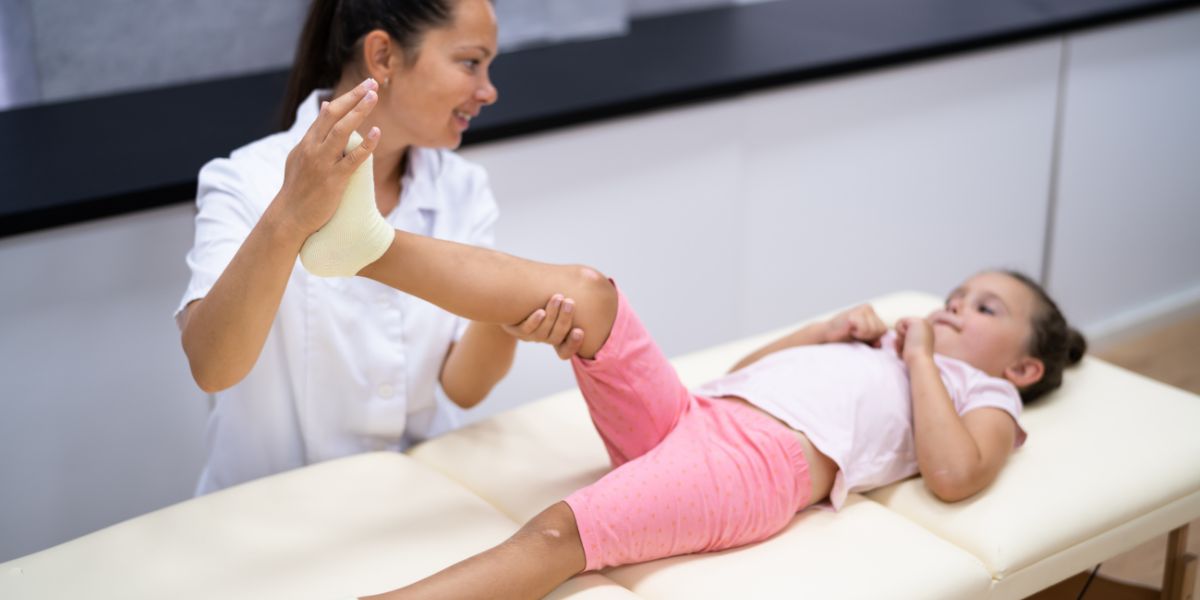
The treatments focus on fighting inflammation in the joints by calming the overactive immune system and reducing symptoms.
While NSAIDs are taken as pills, DMARDs and corticosteroids can be pills or injections. Biologic medications — the most modern treatment options — are only available as injections. Overall, these lines of treatment fight inflammation in the joints by calming the overactive immune system and reducing symptoms. “Injections can be challenging for children,” says Dr. Guzman. “But pediatric rheumatology centres across Canada have multidisciplinary teams who are dedicated to supporting them and their families to minimize any discomfort.”
In the future, a key aspect for researchers is to investigate better tailoring of JIA treatments, identifying early what options may be best for each patient. “Finding earlier the right combination that works best for each child we treat would be fantastic so we can continue to provide the best possible care to these families,” says Dr. Guzman.