
The stress and social distancing related to the COVID-19 pandemic have been associated with mental health challenges for parents and increased violence against children. Extended time at home may have led to behavioural challenges in children. And when parents experience social isolation and adverse mental health, including post-traumatic stress symptoms, there’s more risk of child abuse. That environment may have triggered additional outcomes when, in March 2020, strict public health measures to limit the spread of COVID-19 led to a reduction in emergency department visits.
We need to rethink which services are essential during pandemics and other large-scale public health emergencies, and recognize those that can prevent maltreatment.
– Dr. Matthew Carwana


“Children who experience maltreatment to the point they need to be hospitalized require close attention,” says Dr. Matthew Carwana, an investigator at BC Children’s Hospital Research Institute (BCCHR). BCCHR and other organizations that are part of the Pediatric Outcome ImProvement through COordination of Research Networks (POPCORN) joined forces to investigate potential indirect impacts of the public health measures on the well-being of children across Canada. “We looked at longer-term trends and examined the rate of intensive care unit (ICU) admissions for maltreatment, as that data points to more severe injuries.”
For this study, recently published in the Canadian Medical Association Journal (CMAJ), the research team analyzed data from 1,518 hospitalizations for child maltreatment — including abuse and neglect — occurring across the country between 2016 and 2023. They compared admissions during the 16-week lockdown (March–June 2020) with trends before and after this period. The study included only children under the age of two, as hospital records for older children do not always clearly distinguish abuse from accidental injuries.
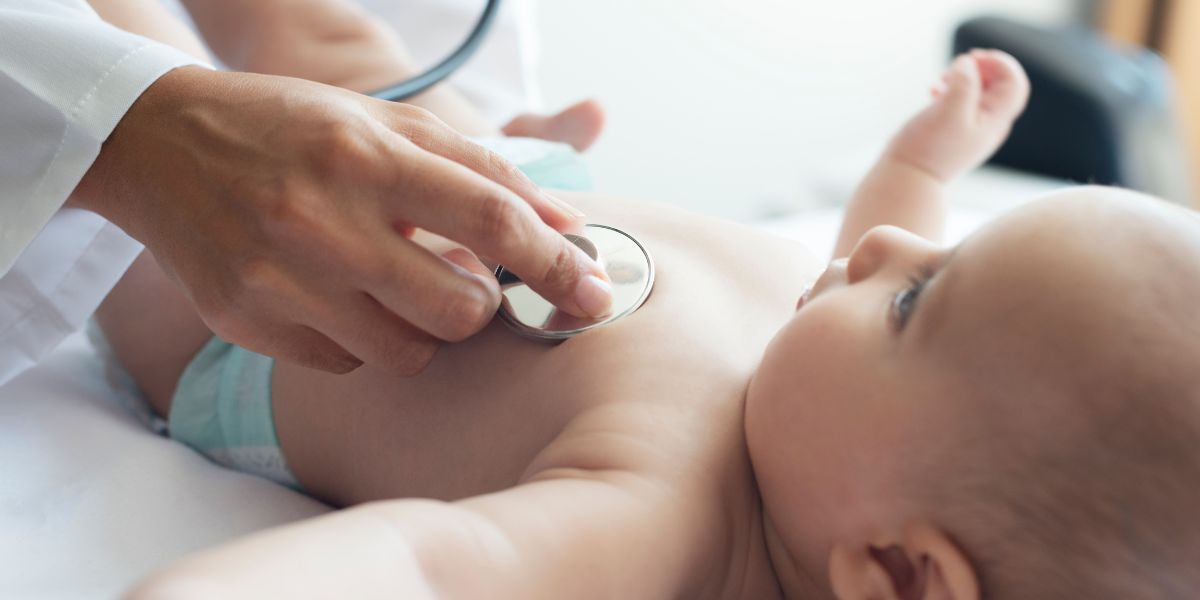
A national study analyzed data from 1,518 hospitalizations for child maltreatment from 2016 to 2023.
National data shows that, during the COVID-19 lockdown, there was a decrease in both hospital and ICU admissions for maltreatment by 31 per cent and 56 per cent, respectively. “This reduction may have indicated an actual decline in maltreatment cases, but there were concerns among health-care professionals that maltreatment was still happening and families were just not visiting hospitals because of the public health measures,” says Dr. Carwana, the lead author in the POPCORN study. Supported by the Canadian Institutes of Health Research (CIHR), POPCORN was created in 2022 to further understand the impact of the COVID-19 pandemic, and help pediatric researchers prepare for future public health issues of similar magnitude.
Based on the data, the total number of hospitalizations for maltreatment returned to prepandemic levels once the restrictions were lifted, which wasn’t the case for ICU admissions. They increased by 80 per cent and stayed higher for about a year after the lockdown. “When children are not taken to the hospital early, their injuries may result in more significant health impacts that require ICU care,” says Dr. Carwana.
It’s important to say that I don’t think there are bad parents, but parents who operate in systems that aren’t supporting them well enough.
– Dr. Matthew Carwana
Recently, Dr. Carwana appeared on a CMAJ podcast episode about sentinel injuries and child maltreatment. Sentinel injuries are certain types and patterns of minor, unexplained injuries that are consistent with maltreatment. For example, a four-month-old baby might arrive at a hospital due to breathing difficulties, but the physician notices a bruise on their face or a fractured rib. “Children who aren’t crawling or rolling yet still depend on others to move around, so they likely won’t have those types of injuries without adults knowing how they happened,” says Dr. Carwana, who is also a clinical assistant professor in the Department of Pediatrics at the University of British Columbia. “Early hospital visits are key to prevent more serious injuries.”
Like abuse, neglect is also a form of maltreatment and it may go unnoticed. One example of neglect is malnutrition, which progresses gradually and takes time to present in a way that requires hospitalization. “Parents may not even be aware that this condition is developing because, when you see someone every day, it’s hard to notice they’re losing weight,” says Dr. Carwana. Severe malnutrition can evolve to refeeding syndrome, a metabolic disruption that occurs when individuals eat too quickly after a long period without eating enough or at all. It can be life-threatening, so it often requires ICU admission.
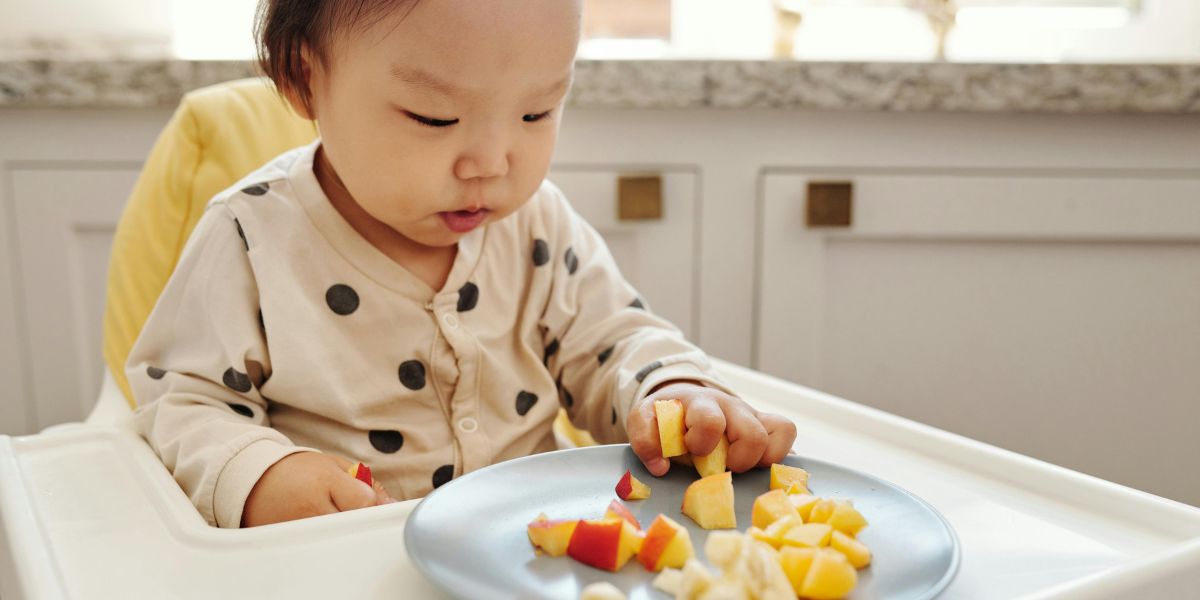
Eating well is key, particularly for younger children, as severe malnutrition can evolve to a life-threatening condition that often requires ICU admission.
“It’s important to say that I don’t think there are bad parents, but parents who operate in systems that aren’t supporting them well enough,” says Dr. Carwana. He highlights the increased stress that the pandemic imposed on families and the fact that a number of systems were operating below capacity, which may have exacerbated adverse conditions at home.
Historically, in periods of emergency disruptions, children tend to bear a disproportionate burden. When compared to older adults, they may have been relatively spared from severe COVID-19 but still significantly impacted by the pandemic. Understanding the relationship between the pandemic and child maltreatment is crucial in shaping emergency preparedness.
An essential step towards better outcomes is embracing systems thinking — a holistic problem-solving approach that considers how different factors in a system interconnect and influence each other. “It’s not only about health, but also about education, child care, family income, and recreation, as these impact the well-being of a family and can help prevent maltreatment,” says Dr. Carwana. He notes that there’s no national or provincial body in Canada responsible for formulating strategies that address all the aspects influencing childhood and family well-being. “Our response should always be strengthening systems around families, not creating more child protection.”

Considering how different factors in the health-care system interconnect and influence each other is essential to better support children and families.
In preparation for potential future pandemics and other large-scale public health emergencies, the research team suggests that planners ensure the existence of mechanisms to identify maltreatment cases in periods of public health restrictions. “We would like to see a concerted effort and awareness around which services are deemed essential for families,” says Dr. Carwana. The study demonstrates the importance of children being able to access health-care services, families receiving additional support in periods of increased stress, and health-care providers identifying child maltreatment as early as possible.
Schools, child care, and routine health-care services were disrupted during the COVID-19 pandemic — all places that can provide support to families and identify harms happening to children. “If a caregiver has a wild 18-month-old at home and can send them to daycare for six hours a day, this gives the parents a much-needed break and allows daycare staff the chance to notice potential injuries,” says Dr. Carwana. During the pandemic, many parents weren’t getting regular breaks. “We need to rethink which services are essential and recognize those that can prevent maltreatment.”
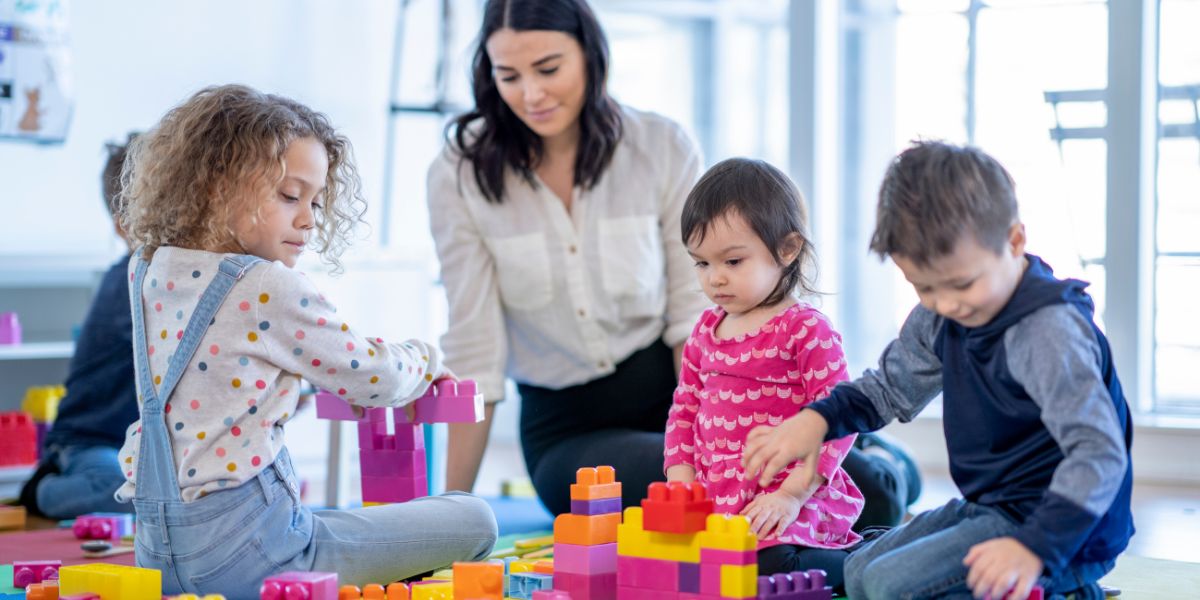
Child care and schools are places that can provide support to families and identify harms happening to children, but they experienced long closures during the COVID-19 pandemic.
In his community work in the Downtown Eastside in Vancouver, Dr. Carwana has been examining how he can work more closely with areas such as housing, daycare, and community centres to provide families with essential support. “It’s innovative work that I’m excited about and hope to see flourish by the time we have another pandemic,” he says. “If we do this well enough at a community level, the system and government levels will seek to catch up.”