

One in four children and adolescents take over three months to fully recover from their surgical procedure. During this period, they may experience chronic pain and reduced mobility, which can lead to excessive use of opioid medications (prescription painkillers), increased hospital visits, and reduced trust in the health-care system. Researchers at BC Children’s Hospital Research Institute (BCCHR) are investigating ways to improve pain management for pediatric patients to support a smoother recovery.
We’re working to understand how to use digital health methods to improve health outcomes for children and their families.
– Dr. Matthias Görges
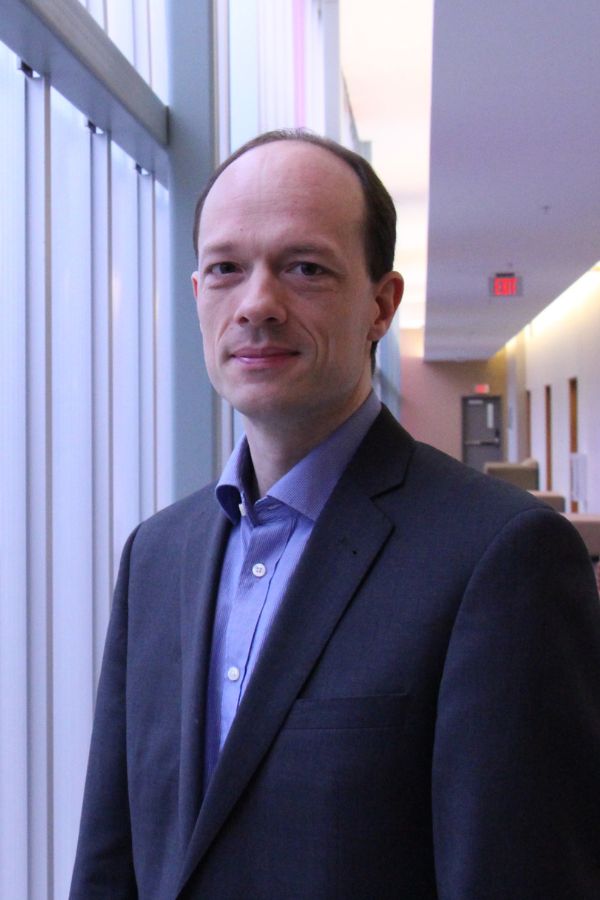

“In examining children’s patterns of recovery after a surgery, we wondered whether it would be feasible to collect information from families along their entire surgical journey,” says Dr. Matthias Görges, a BCCHR investigator and associate professor in the Department of Anesthesiology, Pharmacology and Therapeutics at the University of British Columbia. “We’re also seeking to predict how these children will recover, as this information may help clinicians plan ahead and know which families will need more support than others.”
Many aspects of surgery are planned in advance, so there’s time before the procedure to try to improve the likelihood of a positive recovery. “In this context, it is relevant to differentiate risk factors that we can change from those that we can’t,” says Dr. Görges. If, for example, becoming stronger by building muscle mass before the surgery would optimize a patient’s recovery, clinicians could recommend that they prepare with regular physical exercise. Similarly, if a child would benefit from reducing their anxiety levels leading up to their surgery, the health-care team could suggest helpful techniques.

Regular physical exercise could be recommended in preparation for their surgery if it’s likely to contribute to a positive recovery for the patients.
This is where the idea of prediction comes in. Advances in machine learning algorithms show promise in predicting outcomes after a surgery, which happens with support of risk stratification models — health-care tools that analyze patient information to categorize individuals into risk levels. “If we could identify before surgery that children within a certain population might have a harder time recovering or suffer prolonged postsurgical pain, we would be able to plan tailored treatments to improve the likelihood of a better recovery,” says Dr. Görges.
In addition to optimizing a patient’s health before their surgery, it’s important that health-care teams communicate openly and effectively with individuals and families, ensuring that they have access to all the available, relevant information in a clear manner. From August 2022 to August 2023, as part of a study published in the Anaesthesia journal, Dr. Görges and a group of researchers collected data from 444 patients under the age of 18. These patients were having surgeries at BC Children’s Hospital, in specialties such as orthopedics, urology, ophthalmology, general surgery, otolaryngology, dentistry, and plastics. Families were asked to complete online surveys at different moments of their children’s surgical journey, from before the procedure up to three months after.

The study showed that some of the patients who experienced slower recoveries with increased pain were more often female, aged 13–18 years old, and having orthopedic surgeries.
The survey completed before the surgery focused on aspects that could have an impact on the children’s recovery, including the patient’s age, sex, medication already in use, level of physical activity, and mental health. After the surgery, the surveys asked families to rate the child’s pain, how it interfered with their lives, and whether they were eating, sleeping, and carrying on their typical daily activities.
The researchers found that slower recoveries with increased pain were seen more often in patients who were female, 13–18 years old, and having orthopedic surgeries. Patients who had experienced anxiety, depression, or emotional trauma also had a more challenging recovery, as well as those who were taking pain medication prior to the surgery or had a parent coping with chronic pain.
We’re engaging with other researchers and health-care providers as well as children and their families in hopes that these experiences become better for patients.
– Nicholas West

“We’re engaging with other researchers and health-care providers as well as children and their families in hopes that these experiences become better for patients,” says Nicholas West, a clinical research coordinator in the Pediatric Anesthesia Research team at BCCHR. West highlights the importance of looking at a child’s entire surgical journey, from before the hospitalization to three months after the procedure. “This period can be different for everyone, but we’re beginning to understand what makes it bumpy or smooth, depending on the patient.”
The study showed evidence that gathering patient-reported outcomes from families following hospital discharge is feasible, so the researchers will continue to develop this work. “To then implement a model that predicts individual patients’ risks, we need more data and external validation by researchers at other institutions,” says Dr. Görges.
Dr. Lynnie Correll’s research team is designing a mobile app to help adolescent patients learn coping mechanisms ahead of their surgery.

One of the co-authors in the recent study, Dr. Lynnie Correll and her research team are currently designing a mobile app to help adolescent patients learn coping mechanisms, such as mindfulness, relaxation techniques, and deep breathing, in preparation for surgery.
In the future, Dr. Görges’ research team is aiming to develop a more refined way to track adolescents’ journeys after surgery, possibly combining ongoing surveys with wearable devices to allow for digital monitoring of their recovery. By tracking physical activity, heart rate, and temperature, among other aspects, the team hopes to flag potential concerns before they escalate.
“Our broader research is a step towards a more personalized care,” says Dr. Görges. “We’re working to understand how to use digital health methods to improve health outcomes for children and their families.”
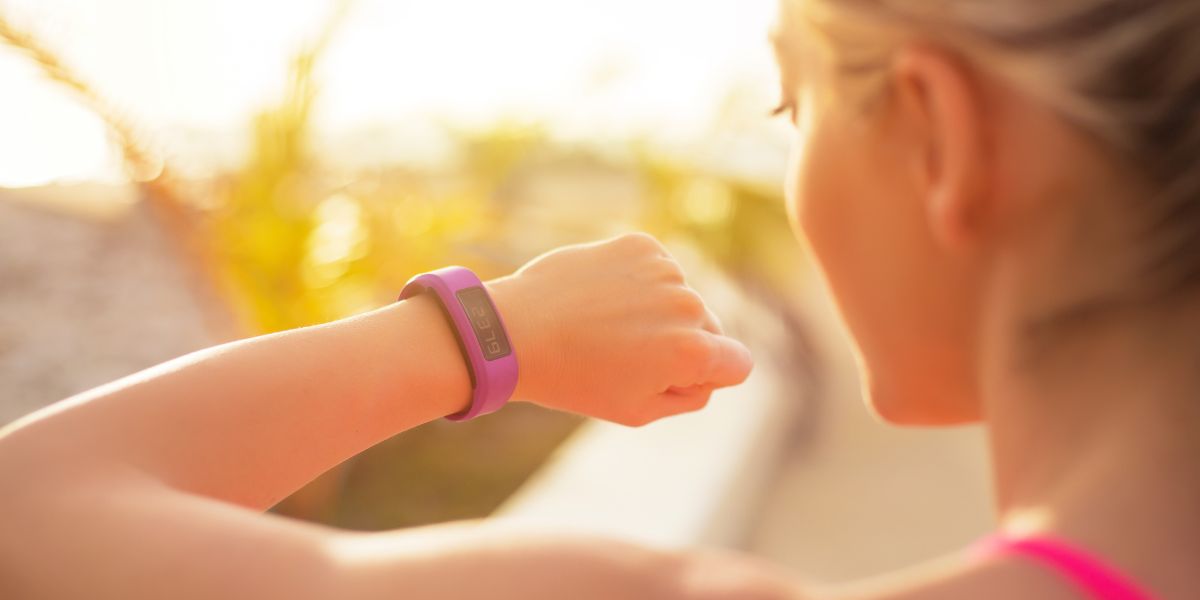
To digitally monitor adolescent patients’ surgical recovery, Dr. Görges’ research team will look into possibly combining ongoing surveys with wearable devices.