BC Children’s Hospital Research Institute (BCCHR) investigator Dr. Mariana Brussoni has just been elected one of the 2026 new Fellows of the Canadian Academy of Health Sciences (CAHS). Election to CAHS is among the highest honours in Canada’s health sciences community. Fellows are nominated and elected by their peers in recognition of distinguished achievements and sustained contributions to advancing knowledge, improving health, and shaping healthier societies.
It is a privilege to have my work and the importance of child health research recognized, signaling that children’s health and development is central to a healthier Canada.
– Dr. Mariana Brussoni
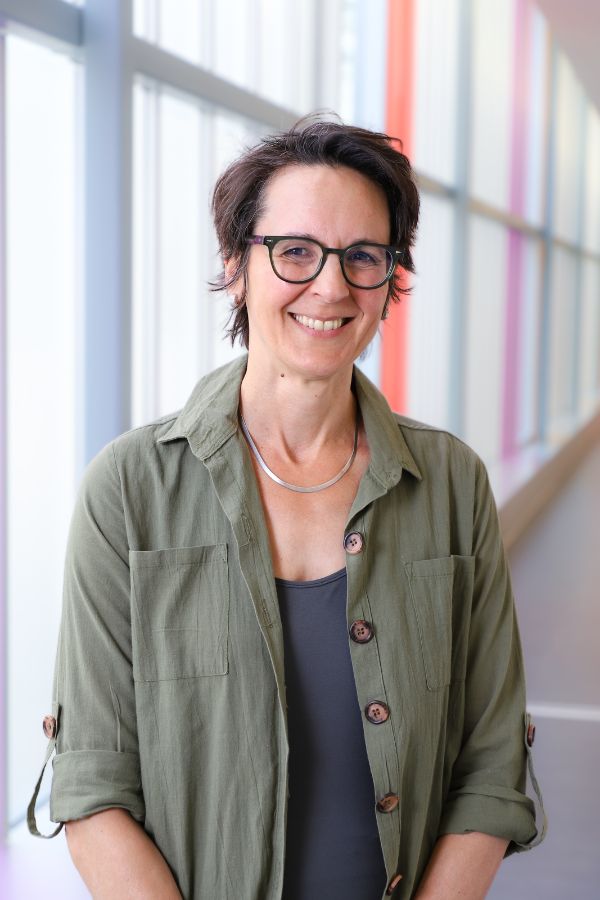

“I am deeply honoured to be among the newly elected Fellows,” says Dr. Brussoni, who is also a professor in the Department of Pediatrics and the School of Population and Public Health at the University of British Columbia (UBC), head of the Outside Play Lab at BCCHR and UBC, and faculty member in UBC’s Human Early Learning Partnership. “It is a privilege to have my work and the importance of child health research recognized, signaling that children’s health and development is central to a healthier Canada.”
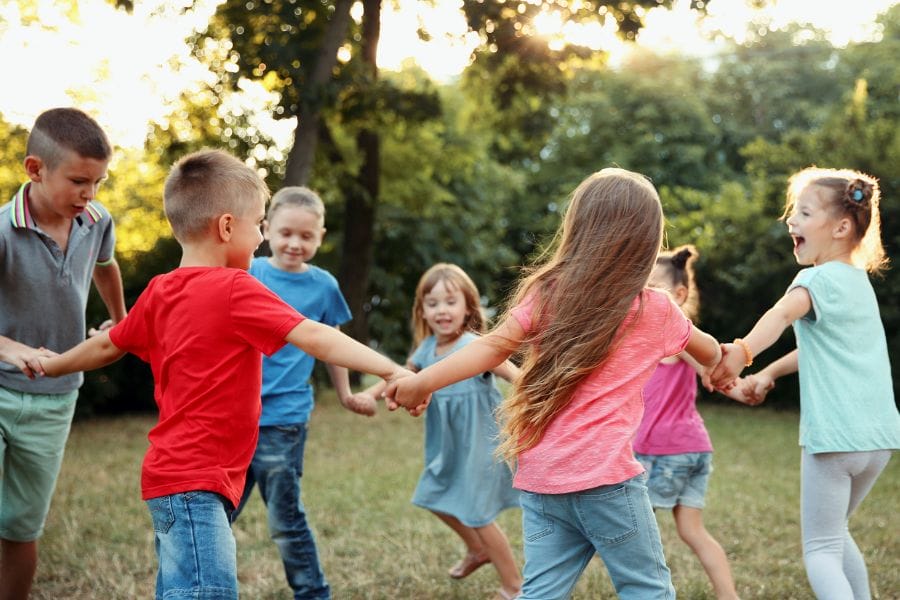
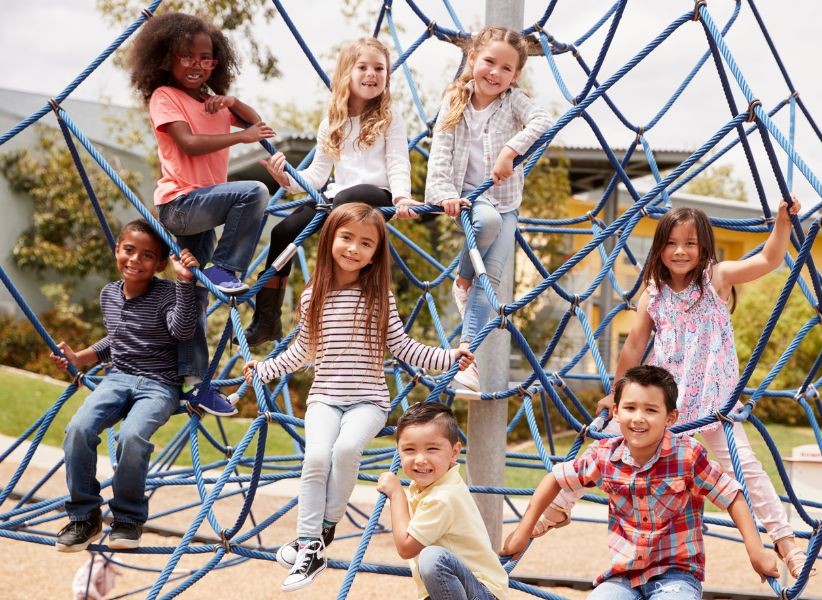
For over a decade, Dr. Brussoni has been researching the intersection between injury prevention, risk taking, and outdoor play to understand the role of risky play in children’s lives. Risky play refers to a thrilling and exciting form of free play that involves uncertainty of outcome and a possibility of physical injury, so children can explore risks and push themselves beyond their usual limits. In her work, Dr. Brussoni looks into the factors that get in the way of outdoor risky play and how to overcome them, including adult fears, play space design, and equitable access. Evidence shows that these experiences are important for healthy child development, including risk management skills.
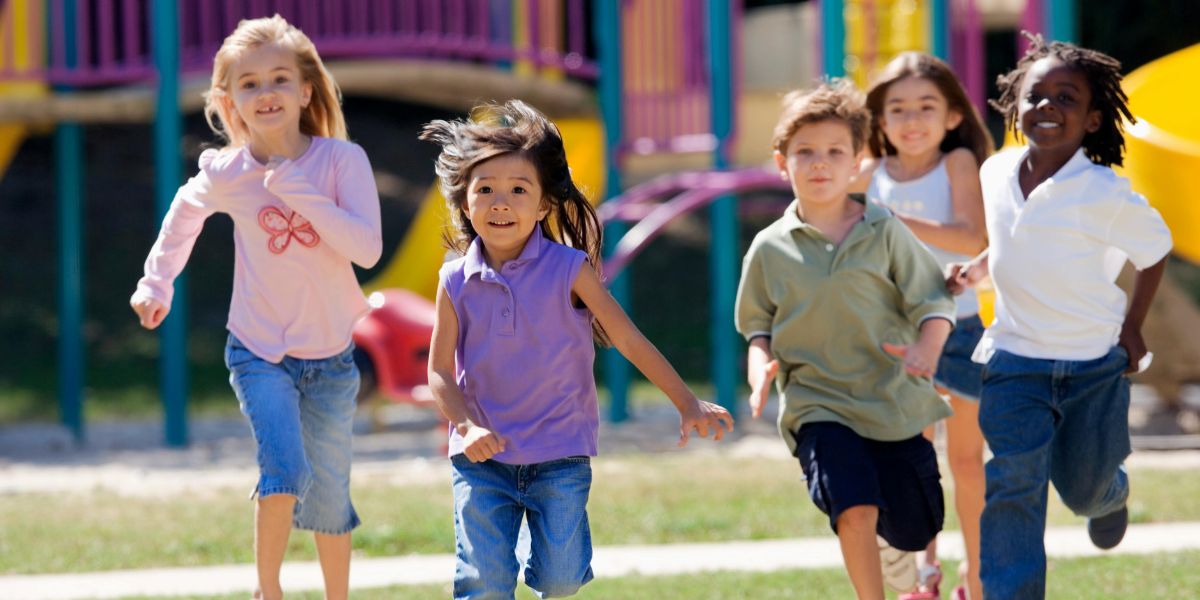
In her research, Dr. Brussoni looks into the factors that get in the way of outdoor risky play and how to overcome them, including adult fears, play space design, and equitable access.
In a recent study published in the Journal of Environmental Psychology, Dr. Brussoni used virtual reality technology to examine cross-cultural differences in children’s risk willingness. In the study, involving 424 children aged 7 to 11 from Norway and Canada, researchers tested whether risk willingness relates to risk management in non-play contexts. They observed that children in Norway showed higher risk willingness than the ones in Canada. “While higher risk willingness is associated with more falls during play, children with higher risk willingness crossed streets more efficiently,” she says. “That finding suggests that risk-averse environments may limit children’s ability to learn how to manage risks.”
Play is seen as essential in children’s lives but their opportunities to play — particularly freely, without adult supervision — have decreased over time. In 2024, the Canadian Paediatric Society released a position statement about the importance of outdoor unstructured risky play for children’s development, calling for a more balanced approach to children’s supervision from “as safe as possible” to “as safe as necessary.”
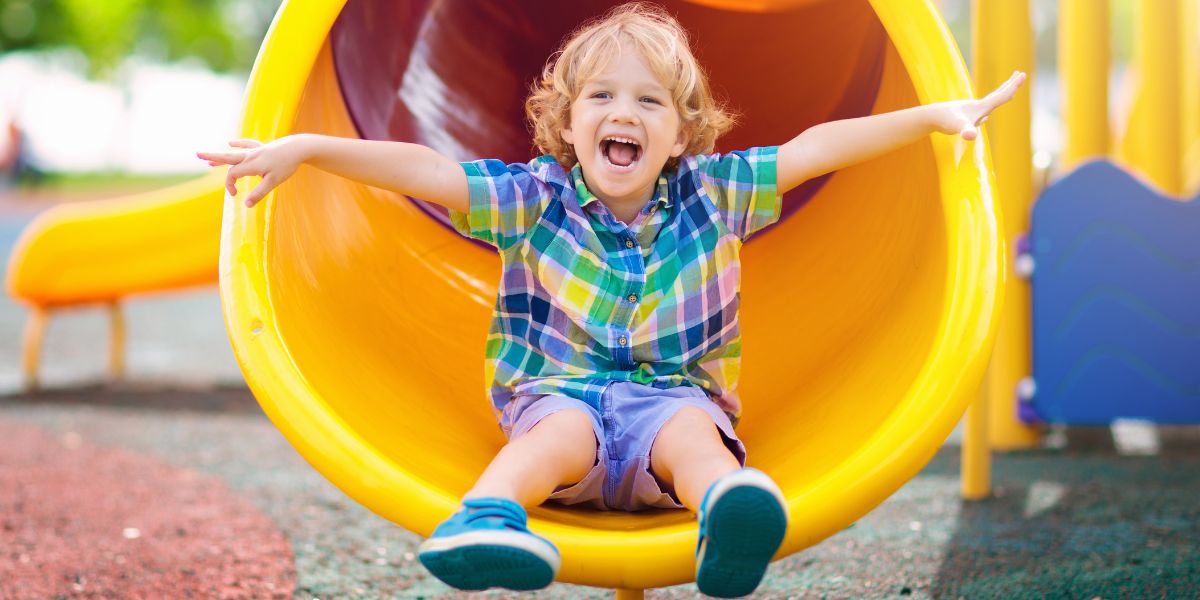
In a recent study, Dr. Brussoni’s team found evidence that risk-averse environments may limit a child’s ability to learn how to manage risks.
As part of her work, Dr. Brussoni engages with several groups — including families, practitioners, and policymakers — to create healthy environments where children can thrive. Important tools have been developed to assist parents, caregivers, and educators in gaining confidence and skills to support outdoor risky play. Her research has influenced and shaped the understanding of injury prevention and the path to risky play-related policies.
The CAHS Fellowship is a major recognition of Dr. Brussoni’s research, and it carries an important commitment: Fellows contribute their expertise to CAHS’s assessments, strategic initiatives, and public policy advice. They also help inform decision-making, address emerging challenges, and advance the health of people and communities across Canada.
Credit: Based on news release published by the Canadian Academy of Health Sciences.