
For children and adolescents diagnosed with cancer, treatment can involve surgery, chemotherapy, and radiation. Each can be lifesaving, but can also place a considerable burden on a growing body. For some aggressive cancers, treatment becomes even more challenging when the disease spreads or returns after treatment.
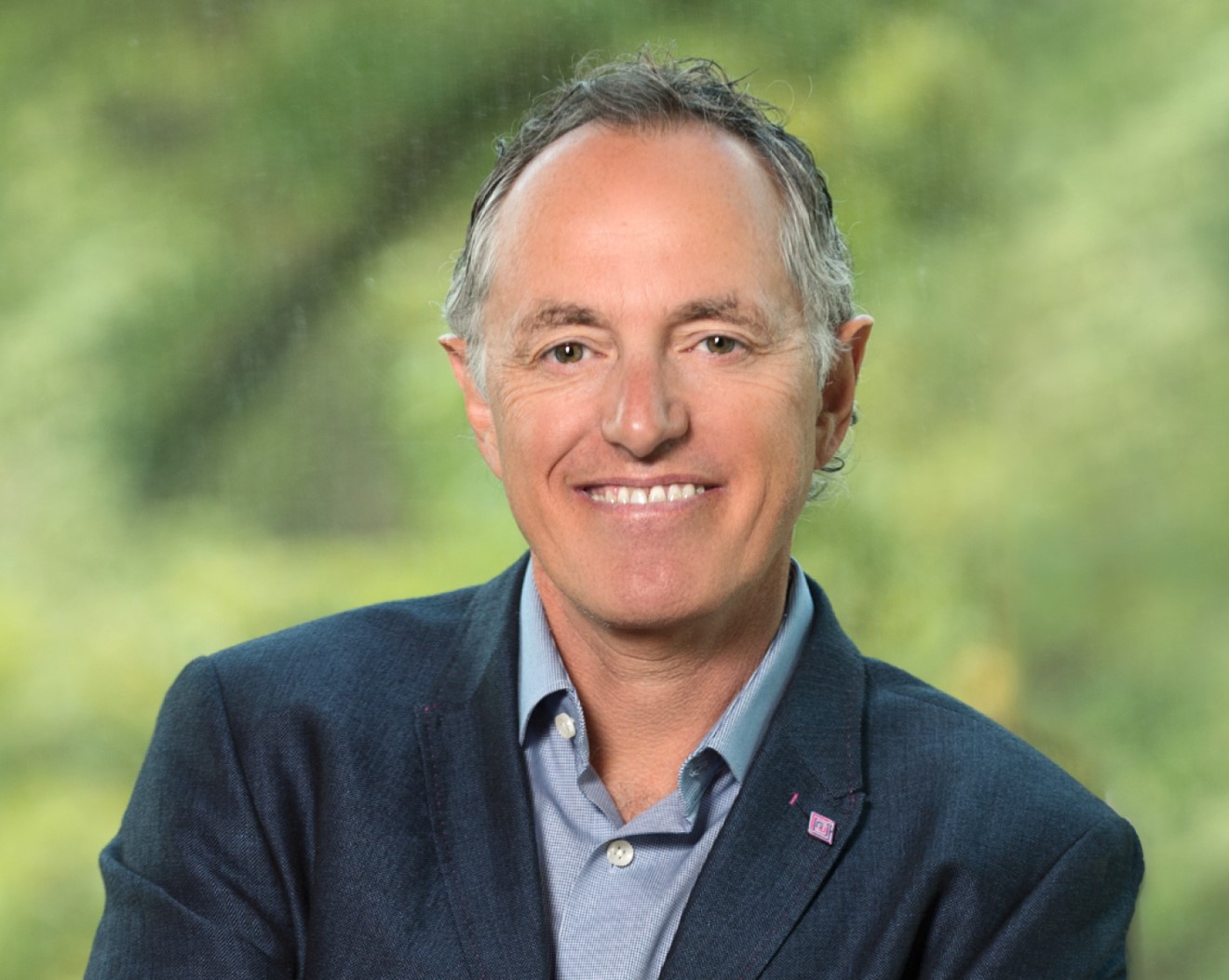
Dr. Poul Sorensen, a BC Cancer distinguished scientist and investigator with the Michael Cuccione Childhood Cancer Research Program at BC Children’s Hospital Research Institute, is working to address this challenge. Two recent studies led by Dr. Sorensen and his team highlight this work in osteosarcoma and Ewing sarcoma — both aggressive childhood bone cancers. Together, they represent different stages of the same approach: identifying promising proteins on tumour-cell surfaces and developing treatments to target them.
For Childhood Cancer Awareness Month in September, we spoke with Dr. Sorensen about the search for more precise treatments and what it takes to move from identifying a target toward potential therapies.
Dr. Poul Sorensen and his team are focused on uncovering cellular vulnerabilities and investigating novel immunotherapy avenues for pediatric cancers.
Can you tell us about your research and what your lab is trying to achieve?
Our lab, based at BC Cancer Research Institute, studies aggressive childhood solid tumours, particularly bone cancers, as well as pediatric brain tumours including medulloblastoma and high-grade glioma.
Our goal is to find vulnerabilities in these cancers that can be used to develop more targeted treatments. Part of this involves understanding how tumours adapt to stressors, such as low oxygen, limited nutrients, and oxidative stress. Cancer cells that adapt successfully appear better able to resist treatment and spread to other parts of the body.
By understanding how these cells survive under stress, we hope to identify weaknesses that can be exploited therapeutically.
What is immunotherapy, and how can it be used to target cancer?
Immunotherapy is a broad term for treatments that utilize the immune system, or tools derived from it, to recognize and attack cancer cells.
One surface-targeted approach central to our recent work is the antibody-drug conjugate (ADC). This combines an antibody that recognizes a specific protein on a cancer cell along with an attached cytotoxic, cancer-destroying payload. After the antibody binds to its target, the complex is taken into the cell, where the linker breaks down and releases the drug.
Finding the right target is critical. Ideally, the protein is highly present on tumour cells but absent, or present only at very low levels, in healthy tissues. It must also be exposed on the outside of the cell surface so an antibody can bind to it. We also look for proteins the cancer depends on for growth, survival, or migration. Otherwise, if the tumour can simply stop producing the target once treatment begins, some cells may escape. Together, these characteristics can give us both specificity and a way to deliver a potent treatment more directly to the cells we want to target.
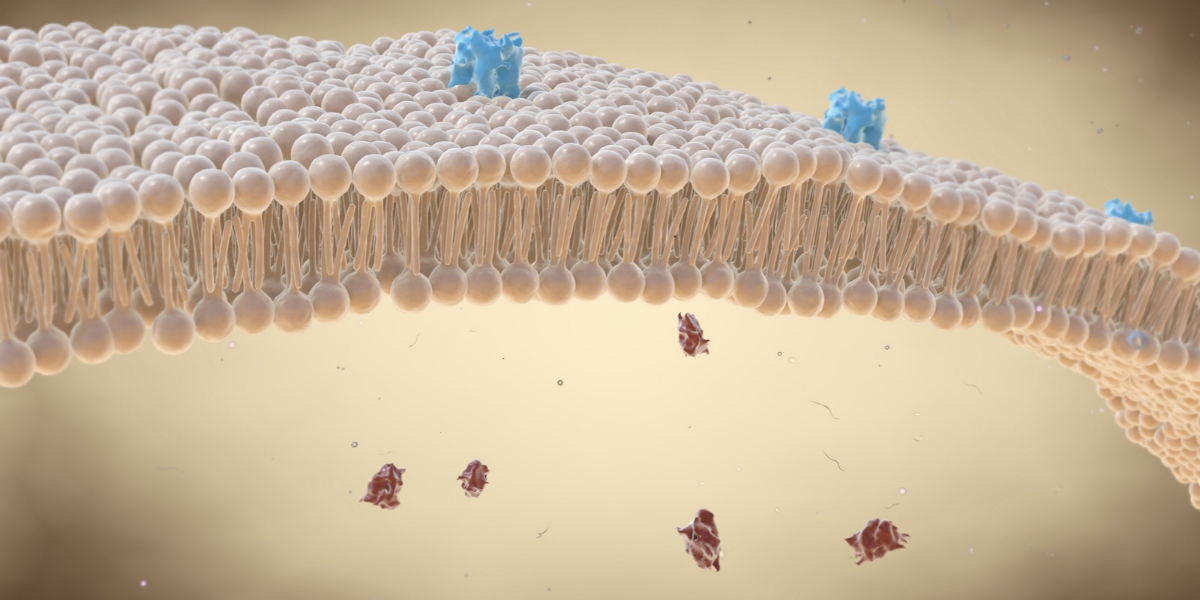
Antibody-drug conjugates (ADCs) are a type of immunotherapy that combine a target-seeking antibody with a cytotoxic payload. Once bound to the surface of the cancer cell, the ADC complex is drawn inside and later releases the cancer-destroying drug.
Osteosarcoma and Ewing sarcoma affect similar age groups. How do they differ, and why are new treatments needed?
Both cancers primarily affect children, adolescents and young adults, and both can metastasize — spread to other parts of the body. Biologically, however, they are quite different.
Osteosarcoma is the most common primary bone cancer and often develops in long bones, such as the femur. Its cells can have highly unstable genomes, bringing substantial genetic variation between tumours. This can make it difficult to identify a single genetic alteration that could serve as a common treatment target between patients.
Ewing sarcoma has a much quieter genome, with comparatively few genetic alterations. Instead, it is usually driven by a chromosomal translocation, where pieces of two genes join to create a fusion gene that produces an abnormal cancer-driving protein. These fusion proteins function inside the cell which makes them difficult to target directly with drugs.

Though affecting similar age groups, osteosarcoma and Ewing sarcoma differ genetically. Osteosarcoma’s complex genetic instability and Ewing sarcoma’s internal fusion drivers present distinct biological challenges, making accessible surface targets essential for developing more tailored immunotherapies.
Once either cancer has spread or returned, it can become much harder to control and patient outcomes are significantly poorer. Further development of treatments that can specifically target cancer beyond primary sites is therefore crucial. Current treatments can involve intensive combinations of chemotherapy and surgery; radiation can also play an important role in Ewing sarcoma. These can be effective when disease remains localized, but options become much more limited once it spreads or becomes resistant. Chemotherapy also affects healthy, rapidly dividing cells, an important consideration when treating a growing child.
We have seen major advances in immunotherapy for some blood cancers, partly because they have well-defined, targetable surface proteins. CD19, for example, can be targeted with CAR T-cell therapy in certain B-cell leukemias. Solid tumours, such as osteosarcoma and Ewing sarcoma, are more challenging: suitable surface targets can be harder to find, and the tumour microenvironment can make it difficult for immune cells to enter, survive, and remain active. Identifying accessible surface proteins therefore gives us an opportunity to develop more precise treatments targeting a specific feature of the tumour itself.
Can you tell us about your osteosarcoma study?
We wanted to identify proteins on the surface of osteosarcoma cells that might make useful treatment targets.
We studied proteins across 22 patient-derived osteosarcoma models. We examined both the surfaceome — proteins on the outside of cancer cells — and the broader proteome, the wider set of proteins expressed by those cells. Looking at both helped us identify accessible surface proteins and understand how they might connect to the cancer’s underlying biology. Of close to 200 potential surface protein targets, two stood out to us: ROR2 and TMEM119.
ROR2 was particularly interesting because it was present at high levels across many osteosarcoma models, with very little detected in normal pediatric tissues. TMEM119 was also promising—showing high levels in osteosarcoma with limited presence in healthy tissues. We focused further testing on ROR2 because reducing its levels impaired osteosarcoma cell growth and migration, and reduced the cells’ ability to survive and spread within an experimental lung environment. The lungs are the most common site of osteosarcoma metastasis, so this is an important finding, although more work is needed to understand the precise role of ROR2 in this process. Several combinations of ROR2-targeting ADCs were also found to be highly effective at destroying osteosarcoma cells, providing early evidence for ROR2 as a potential ADC target. However, this work is still early preclinical, and next steps are to identify the most effective and safest ADCcombinations for more advanced model testing.
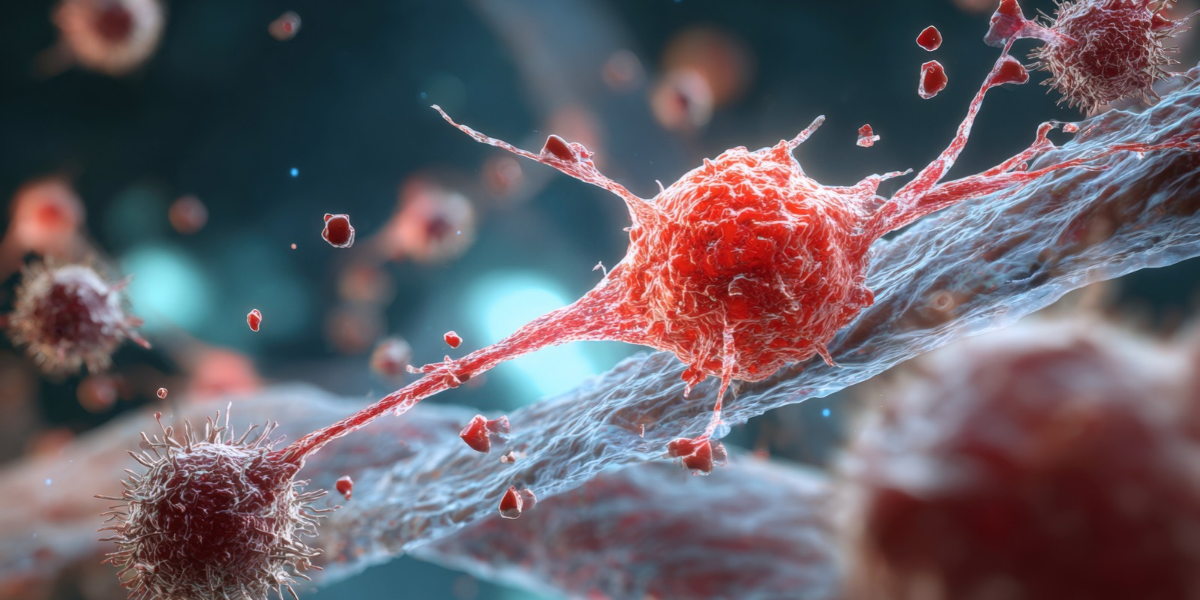
As cancer cell metastasis remains a leading obstacle in pediatric oncology, finding therapies that can specifically target spreading cancer cells is vital.
For your Ewing sarcoma paper, what makes the surface protein, IL1RAP, a promising target, and what did you find?
IL1RAP is closely tied to the biology of Ewing sarcoma. The fusion proteins that drive the cancer directly switch on IL1RAP expression, turning a difficult-to-reach process inside the cell into an accessible target on the cell’s surface. Previous research also shows that IL1RAP helps Ewing sarcoma cells manage cellular stress and supports their survival and metastatic potential, which all together make it an attractive target.
We developed several IL1RAP-directed ADCs with different payloads. In preclinical models, these ADCs showed strong activity against established tumours. One of the most compelling findings was their activity against metastatic disease. For example, an ADC dramatically suppressed a model metastatic Ewing sarcoma, which is particularly important since metastatic and treatment-resistant disease is what ultimately makes Ewing sarcoma so difficult to treat. However, safety is a major consideration as potent payloads can cause toxicity. We tested different ADC combinations. The lead candidates showed very encouraging safety results in preclinical studies. However, these combinations have not yet been shown to be safe in people. Further safety, manufacturing and regulatory work is needed before clinical trials can begin.
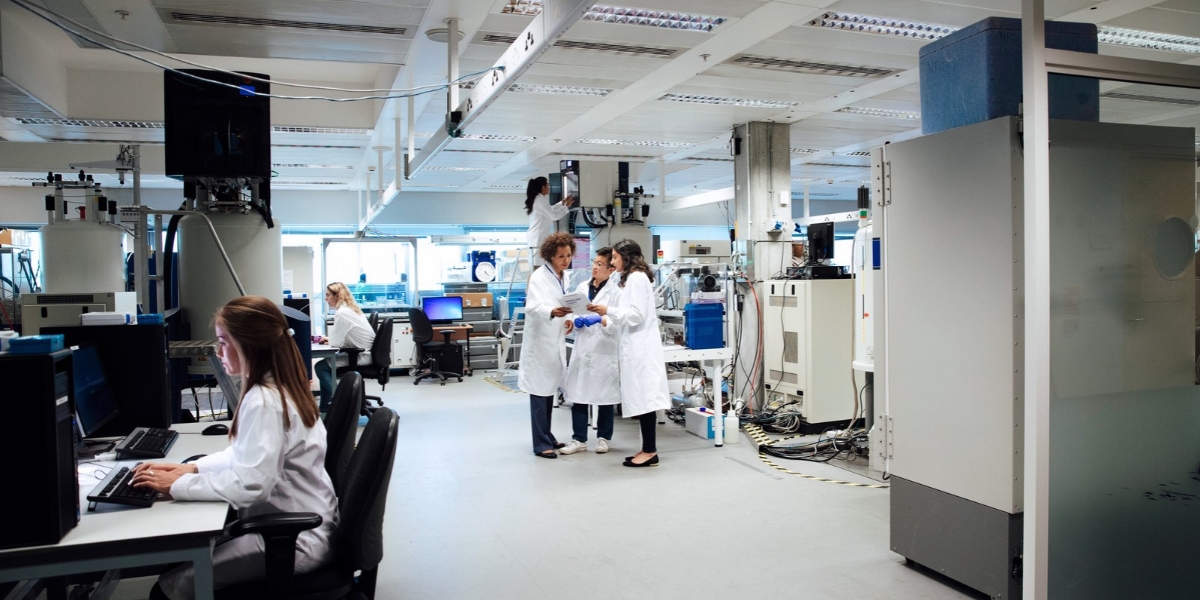
Patient safety is the highest priority when moving discoveries from the lab toward clinical trials. Rigorous preclinical safety testing, standardized manufacturing, and regulatory clearance are essential steps before new treatments can reach patients.
What could this research mean for pediatric and broader oncology, and what needs to happen before treatments reach patients?
Whenever we identify a strong target, we ask whether it could also be relevant to other cancers.
This is especially important in pediatric oncology because individual childhood cancers are relatively rare. If a target identified in osteosarcoma or Ewing sarcoma is also present in other cancers, a treatment developed could have a much wider application beyond pediatrics and potentially into adult cancers.
We are already seeing evidence of that with IL1RAP. We found that other cancer-driving fusion proteins can also increase IL1RAP on the surface of tumour cells. This includes anaplastic large cell lymphoma and cancers with certain NTRK gene fusions— where an abnormal NTRK gene joins another gene to fuel tumour growth. In preclinical models, these other tumours were also highly vulnerable to IL1RAP-targeting ADCs, suggesting that this IL1RAP-based treatment could apply across different cancers.
However, there is still a long path from identifying a target in the lab to delivering a safe, high-quality treatment to patients—a process that requires extensive funding, preclinical testing, regulatory approval, and clinical trials.
For families, I think our message holds both realism and genuine hope. Finding a promising target is only the beginning, and we must remain rigorous as we carry these discoveries through every stage of development. However, there is every reason to be optimistic, as researchers around the world are working very hard to find new ways of treating these diseases, and we are now able to identify and exploit vulnerabilities that were much harder to reach in the past.

“There is every reason to be optimistic — we are now able to identify and exploit vulnerabilities that were once completely out of reach.” — Dr. Poul Sorensen