Today, the Honourable Mark Holland, Minister of Health, announced that the Government of Canada is providing $20 million over five years for the creation of RareKids-CAN: Pediatric Rare Disease Clinical Trials and Treatment Network, led by Dr. Thierry Lacaze-Masmonteil and the Maternal Infant Child and Youth Research Network (MICYRN) team. This national network, of which BC Children’s Hospital Research Institute will be a part, will foster collaboration among researchers, patients, caregivers, health-care providers, and policy makers; streamline clinical research; and support national and international clinical trials to advance discoveries, enable better prevention, diagnosis, and treatments, to improve health outcomes for children and adolescents affected by rare diseases.
Dr. Stuart Turvey, one of the principal investigators involved in the Pediatric Rare Disease Clinical Trials and Treatment Network, thinks the initiative will be game-changing for Canadian children living with rare disease.

In Canada, 14,000 children under the age of 15 die each year from a rare disease. With more than 7,000 known rare diseases, it is essential for researchers from across the country to work together to improve the health outcomes of all children and teens living with a rare disease.
Dr. Quynh Doan, Senior Executive Director at BC Children’s Hospital Research Institute and co-applicant.
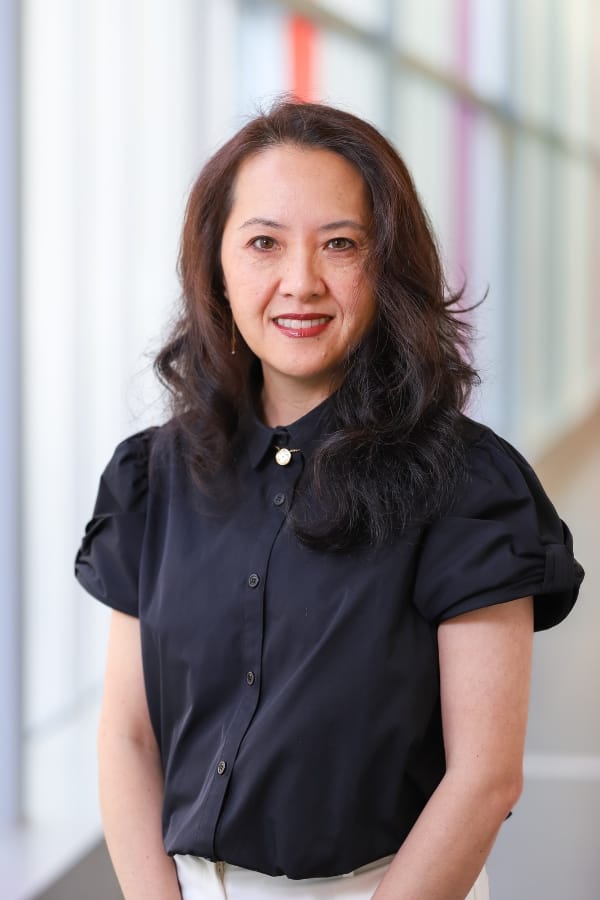
Dr. Stuart Turvey, Investigator and BC Children’s Hospital Canada Research Chair in Pediatric Precision Health and Professor at the University of British Columbia, and Dr. Quynh Doan, Senior Executive Director, BC Children’s Hospital Research Institute, Clinician Scientist and Associate Dean, Research, BCCHR, UBC Faculty of Medicine, as well as Dr. Bhavi Modi, BCCHR Research Associate, are co-investigators on the grant.
By linking research hospitals across the country, including BC Children’s, we can diagnose and understand the diseases afflicting these children faster and develop the treatments they need sooner — saving more lives.
– Dr. Stuart Turvey

“This new clinical network will be game-changing for the tens of thousands of Canadian children with a rare disease,” says Dr. Turvey. “By linking research hospitals across the country, including BC Children’s, we can diagnose and understand the diseases afflicting these children faster and develop the treatments they need sooner — saving more lives.”
“As a parent of two children who live with a rare diagnosis, I’m encouraged by the work and development of a Canadian rare disease clinical trial research network,” says Sara Pot, a patient partner for the initiative. “Our family, like many with lived experience in the rare disease community, has faced uncommon challenges. I am hopeful this network will create partnership and engagement between families and researchers, as we work together to weave hope amidst uncertainty.”
This investment was funded through the Canadian Institutes of Health Research Rare Disease Research Initiative, one of many initiatives funded through the Government of Canada’s National Strategy for Drugs for Rare Diseases.