
Since the COVID-19 pandemic, there’s been a rise in mental health awareness and acceptance in Canada. The increased knowledge, however, still lags behind among visible minority groups, including Chinese Canadians. Many families struggle in silence to support their children’s mental health, and most resources are only available in English and don’t adequately recognize cultural barriers. To mark Psychology Month, we’re highlighting an important project being developed at BC Children’s Hospital Research Institute (BCCHR). Researchers are working with Chinese communities to co-design culturally meaningful, engaging, and effective mental health resources for parents to support children under the age of 12.
Dr. Janet Mah’s team met with more than 90 parents and grandparents of Chinese background across BC.

“We know that parents are critical in a child’s life trajectory, so it’s essential that they are aware of — and willing to access — appropriate supports to help them navigate mental health challenges,” says Dr. Janet Mah, a BCCHR investigator and clinical assistant professor in the Department of Psychiatry at the University of British Columbia. In Asian cultures, multigenerational households are common. “Grandparents may be co-responsible for child care and generational differences may also lead to conflicts and confusion, so our project involves mothers, fathers, and grandparents.”
As part of a needs assessment, Dr. Mah’s team met with more than 90 parents and grandparents of Chinese background across BC. Participants were recruited via social media outreach and from community agencies such as S.U.C.C.E.S.S. Partnering with Kelty Mental Health Resource Centre, researchers hosted workshops in different cities both in person and online; in English, Mandarin, and Cantonese. Participants could express their thoughts verbally or in writing. Their goal was to hear directly from Chinese Canadian families about their mental health needs and preferred ways of accessing resources.
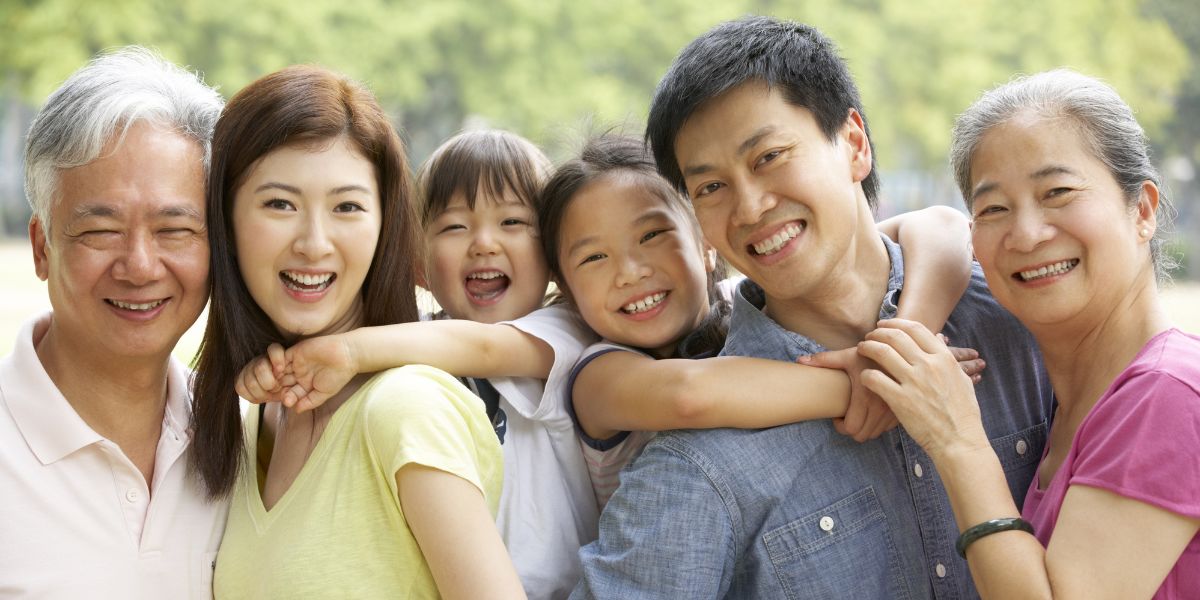
As multigenerational households are common in Asian cultures, the Chinese Canadian mental health project involves mothers, fathers, and grandparents.
The research team includes clinical experts, community organizations, and family advisors — some of the advisors were participants in the needs assessment. They all represent a diversity of Canadians of Chinese ancestry, including those from different countries of origin and with varying levels of acculturation (defined as the blending of a local culture’s values and ways of being with those from one’s homeland).
One of Asian families’ cultural values is emotional self-restraint, as opposed to the Western value of emotional expression and freedom, so it can be harder for them to express their challenges and look for support.
– Dr. Janet Mah

“Our starting point is always to listen because research shows that ethnic minority groups may not recognize that some of their challenges are related to mental health, and they may not seek help through appropriate channels,” says Dr. Mah, who is also a registered psychologist in outpatient psychiatry at BC Children’s Hospital. She notes that several factors may contribute to more stigma and lack of awareness about mental health among Chinese families. “One of Asian families’ cultural values is emotional self-restraint, as opposed to the Western value of emotional expression and freedom, so it can be harder for them to express their challenges and look for support.”
Researchers acknowledge that Chinese Canadians are also impacted by the model minority myth. “When there’s a belief that a certain population is thriving, if an individual feels that they’re not and they belong to that group, they may not feel comfortable expressing their challenges, which perpetuates suffering in silence,” says Dr. Mah. She observes that members of ethnic minority groups may be impacted even if they’re acculturated individuals born and raised in Canada.
Focus groups participants asked for strategies to support their children’s mental health, as well as to regulate their own emotions in the context of parenting.
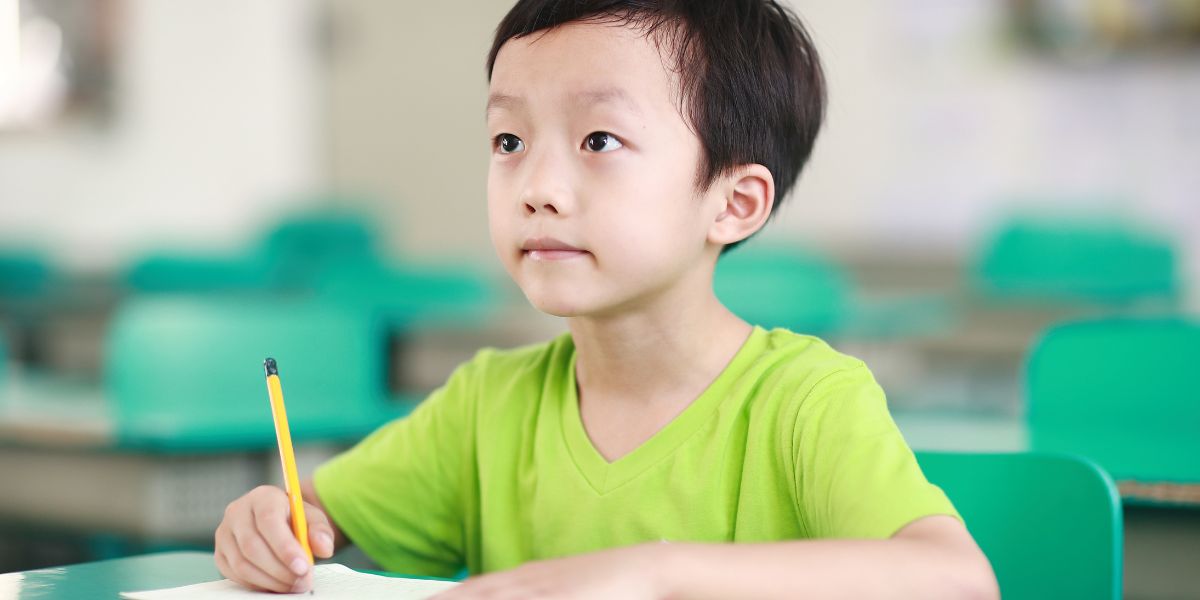
Dr. Mah’s team identified the top three priority themes requested by Chinese Canadian families: emotional dysregulation — at the top by far — followed by attention and motivation, and anxiety and stress. “We were happy to see these families recognize those challenging aspects,” says Dr. Mah, noting that intergenerational cultural dissonance was one of the challenges flagged by focus group participants. “They said that, as children, they suppressed negative emotions, so now, as parents, when they see their kids expressing these emotions openly, they don’t know what to do.” Focus groups participants asked for strategies to support their children’s mental health, as well as to regulate their own emotions in the context of parenting.
In addition to the three priority themes, Chinese Canadian families helped researchers identify three top ways they would like to access mental health information: in-person workshops facilitated by experts, virtual parent groups, and online resources (including social media).

The research team is developing tailored resources that incorporate practical steps to enhance mental health literacy and well-being among Chinese Canadian children and their families.
Researchers are currently working with Chinese family advisors and clinical experts to prototype the first module on emotional regulation. Co-designing the resources together has the benefit of reflecting the families’ lived experiences and cultural values, while promoting proven, effective approaches and strategies. Once the content is ready, it will be shared in the channels and formats requested by focus group participants. The information will be co-presented by clinical experts and family advisors, and they will also be freely available to the public online so they can be accessed at any time. As this is an iterative process, families accessing the module will be invited to provide feedback.
Chinese Canadian families involved in this research requested actionable, practical guidance based on different age levels. “Mental health is stigmatized in some cultures, so recognizing the importance of emotions, behaviours, and thoughts, and how they impact well-being and health is key,” says Dr. Mah. “We’re now developing tailored resources that incorporate practical steps to enhance mental health literacy and well-being among Chinese Canadian children and their families.”