

Suicide in teenagers is on the rise in Canada, and the magnitude of the problem is likely underestimated as some suicide deaths are counted as accidental.
“The emergency department is where families go when it gets scary,” says Dr. Quynh Doan, emergency department physician, researcher and senior executive director of BC Children’s Hospital Research Institute. “However, there is currently no standardized treatment that can be initiated in the emergency department. We see them and assess their safety risk. If we can set up a safety plan at home, then the young person goes home and their family watches them like a hawk for the next few days and weeks.”
Alternatively, the child or adolescent is admitted to hospital, potentially against their will, and kept on the emergency psychiatric ward with other youths and adults in crisis, until their suicidal ideation has diminished and a safety plan can be instated.
In both instances, accessing mental health services can take days or weeks. Even when psychotherapy and/or an antidepressant are/is started, these treatments can take weeks to begin to improve symptoms.
“That’s not good enough,” says Dr. Doan.
Suicide is the second leading cause of death in youth aged 15 to 19, and the third leading cause of death in youth aged 10 to 14.
Dr. Doan wants to find a fast and effective way to help youth with acute suicidal thoughts when they seek help at the emergency department.
When she became aware of research showing that administering a ketamine infusion can relieve symptoms of suicidal ideation within hours in adults, with the effects lasting for days to weeks, she decided to investigate this treatment for adolescents.
If we find that this works and is safe, we could give ketamine to kids who are distressed with acute suicidal thoughts in the emergency department, get them feeling better while resources can be put in place and the psychotherapy or the antidepressants start working.
– Dr. Quynh Doan
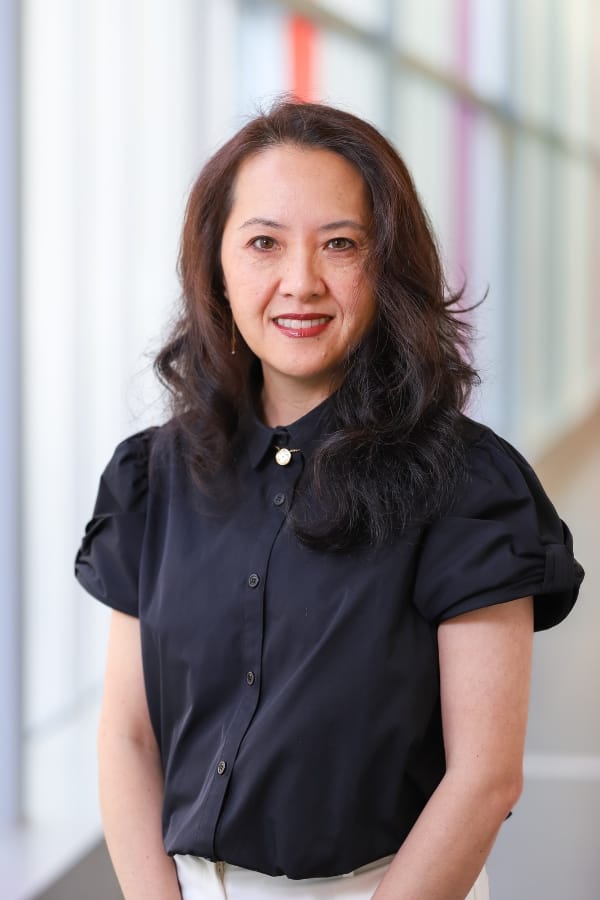

“The emergency department is an ideal place to administer ketamine, as it’s a commonly used medication for pain and sedation,” says Dr. Doan. “If we find that this works and is safe, we could give ketamine to kids who are distressed with acute suicidal thoughts in the emergency department, get them feeling better while resources can be put in place and the psychotherapy or the antidepressants start working.”
The trial
Clinicians in the emergency department at BC Children’s are enrolling youth ages 10 to 16 with suicidal ideation into the trial, with a goal of enrolling 96 adolescents.
This pilot study was the first of its kind when Dr. Doan registered it, but now research teams in San Diego, Dallas and Ottawa are initiating similar studies.
Participants are receiving one of three treatments: a low dose of a ketamine infusion that’s delivered intravenously over 40 minutes, another sedative so that participants will not know whether they’ve received ketamine, or a placebo saline solution.
Their level of suicidal ideation is being measured before the drug is administered, after 40 minutes, again after 24 hours have passed, and then weekly for a month. Researchers are also measuring participants’ well-being with three different scales so that Dr. Doan can determine which scale will be most useful for the larger study she’s planning to lead at 11 Canadian sites.
Ketamine is already the drug of choice in pediatric emergency departments for sedation when setting broken bones. The dose given in those cases is two to four times the dose that is being administered in the suicidal ideation study.
If using ketamine works for children and youth with suicidal ideation, it’s going to dramatically improve how we take care of these kids.
– Dr. Quynh Doan
“If using ketamine works for children and youth with suicidal ideation, it’s going to dramatically improve how we take care of these kids,” says Dr. Doan. “It will change the experience of youth and families dealing with this challenging condition.”
Read more about Dr. Doan and her work: Medical school was Dr. Quynh Doan’s ticket out of singing, and where she found her calling