Most Canadian children consume too much salt in their diets, which can lead to serious long-term health consequences. Read on to learn what parents and caregivers can do to ensure optimal health when it comes to sodium intake.
Salt consumption has increased in recent decades due to increased production and accessibility of fast foods and commercially prepared meals. These options, while convenient and time-saving, can have 100 times more salt than homemade or non-commercially prepared meals.
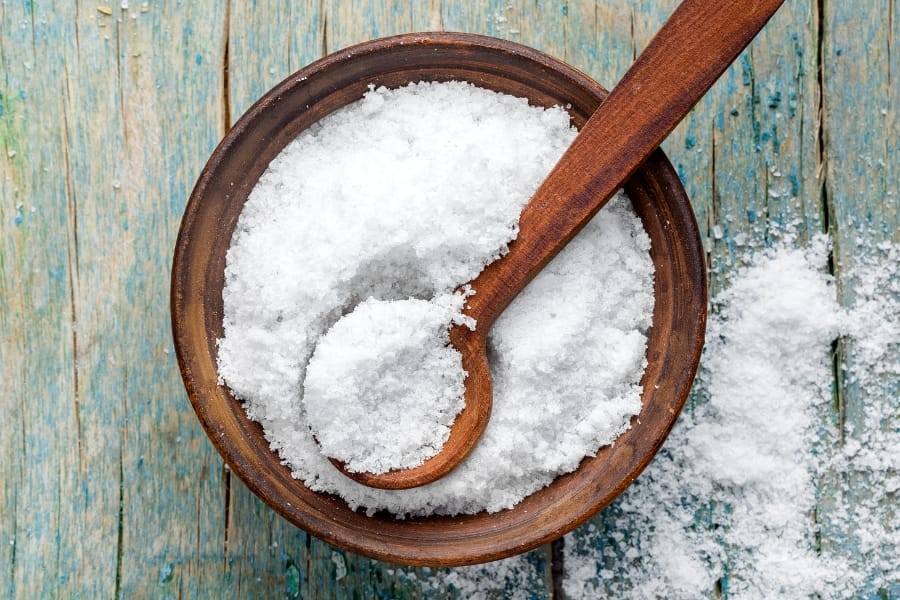
Salt is a chemical compound composed of sodium and chloride. Sodium is involved in many important bodily functions, including transmission of nerve impulses, contraction and relaxation of muscles, and maintenance of fluid balance. But it doesn’t take much to fulfill these physiological processes, and salt supplementation is rarely needed for most people.
The risks associated with high-salt diets in children
It’s long been known that excess sodium consumption by adults can lead to hypertension or high blood pressure — a major risk factor for heart disease, kidney failure, and stroke. But the same is also true for children, and those who have high blood pressure in childhood or adolescence usually go on to have high blood pressure as adults.
According to the Centers for Disease Control and Prevention in the United States, one in six children has elevated blood pressure, and nine in 10 American children consume more sodium than recommended. In Canada, nearly half of children aged one to three and nearly three-quarters of children aged four to eight consume too much salt.
Recent research findings have linked high-salt diets to the development and exacerbation of autoimmune conditions, including multiple sclerosis, rheumatoid arthritis, and lupus. A 2013 study showed that high-sodium diets dramatically boost the production of inflammatory Th17 cells — which are known to play a key role in autoimmune diseases.
Other potential health consequences of high-sodium diets include stomach cancer and osteoporosis. Some studies have linked high-salt intake to reduced cognitive performance, specifically reduced memory and concentration.
Signs that a child is consuming too much salt
It’s not always obvious that an individual is consuming too much salt, but here are some signs to look for in kids:
- Complaining of thirst or drinking more fluids than usual
- Craving salty foods (if accompanied by other symptoms such as fatigue, weight loss, low blood pressure, and darkening of the skin, salt cravings can be a sign of Addison’s disease or primary adrenal insufficiency)
- High blood pressure, as measured at home or by a health-care professional
- Dark and/or very yellow-orange urine
- Frequent snacking on packaged foods
- Weight gain (emerging research has shown a link between a high-sodium diet and obesity in children)
- Frequent eating out at restaurants (especially fast-food restaurants)
- Parents consume too much salt
Parents model healthy diets
Parents are often the main role models for children in what to eat and how to season foods. If a parent has a high-sodium diet — frequently opting for packaged meals and fast food — it’s highly likely that their child will also have a high-sodium diet.
The best way to reduce the risk of developing high-sodium-related health problems — at least at the individual and familial levels — is for parents, guardians, and caregivers to adopt low-salt diets themselves.
Tips for cutting salt from children’s diets
Here are some ideas to help reduce sodium in kids’ diets:
- Make low-salt eating a choice from day one. Dietary and taste preferences form in childhood, meaning dietary choices made early on are often carried through the rest of one’s life.
- Read nutrition labels — look for products that contain less than 140 to 200 milligrams (mg) of sodium per serving.
- Aim for a maximum of one processed or commercially prepared product (bagged, boxed, or canned item) per meal.
- Eat food from a restaurant or fast-food location no more than once every two weeks.
- Teach older children how to read nutrition labels and make a game of finding low-sodium options.
- Think bigger! The amount of salt in foods is a societal problem, so individual choices can only go so far in reducing dietary sodium. Consider writing to government representatives and agencies to express concern about the health consequences of high-salt foods and the need for lower-salt options.
Did you know that…
…breakfast cereals are one of the top sources of dietary sodium? Other high-sodium food sources include meat and milk products, savoury snacks, canned and instant soups, pizza, and store-bought breads.
…one fast-food kids’ meal can have more than 1,500 mg of sodium? That’s the maximum daily intake for toddlers!
…overweight children, children born preterm or small for gestational age, and Black individuals have an increased risk of dietary salt-related high blood pressure? These populations have a higher prevalence of salt sensitivity, which involves greater blood pressure changes following high-sodium meals.
Do you have a question about this article or other BCCHR news?
Contact BCCHR Research Communications.