-
Redefining self-care for a more communal and inclusive experience
The World Health Organization defines self-care as the ability of individuals, families, and communities to promote health, prevent diseases, and cope with illness, with or without the support of health-care workers. Supporting one’s own emotional and physical health by practicing individual acts of care is an important measure. If expanded into more communal and equitable activities rooted…
-
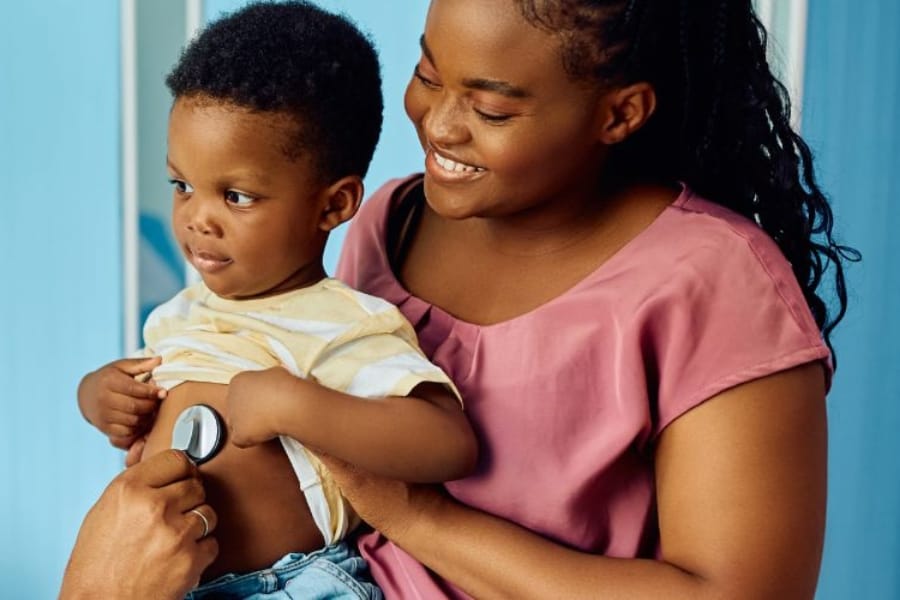
Smart Triage program supports children’s health in Uganda and Kenya
Sepsis is a life-threatening condition that disproportionately affects children in low- and middle-income countries (LMICs). Delayed recognition and treatment, often due to inadequate triage systems, contribute to high death rates. The Institute for Global Health (IGH) at BC Children’s Hospital and BC Women’s Hospital + Health Centre is helping address these inequities impacting care. With collaborators in…
-
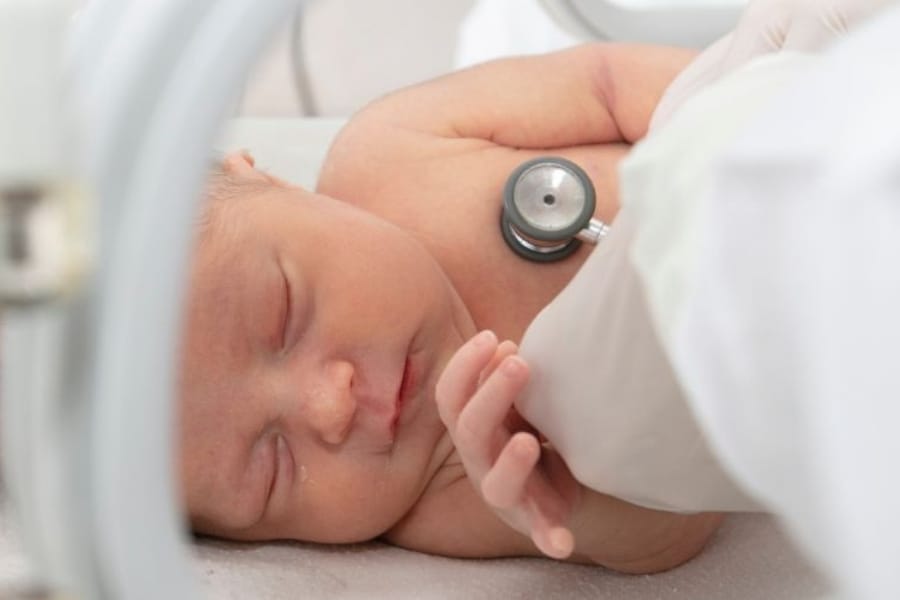
Study reveals that sucrose may not reduce the impact of neonatal pain exposure on long-term outcomes
Very preterm babies — infants born two to four months early — require specialized care. Before they can safely go home, they need to spend time in the neonatal intensive care unit (NICU) until their organs are more developed. In the NICU, these babies are exposed to mildly painful procedures, including heel pricks for blood…