
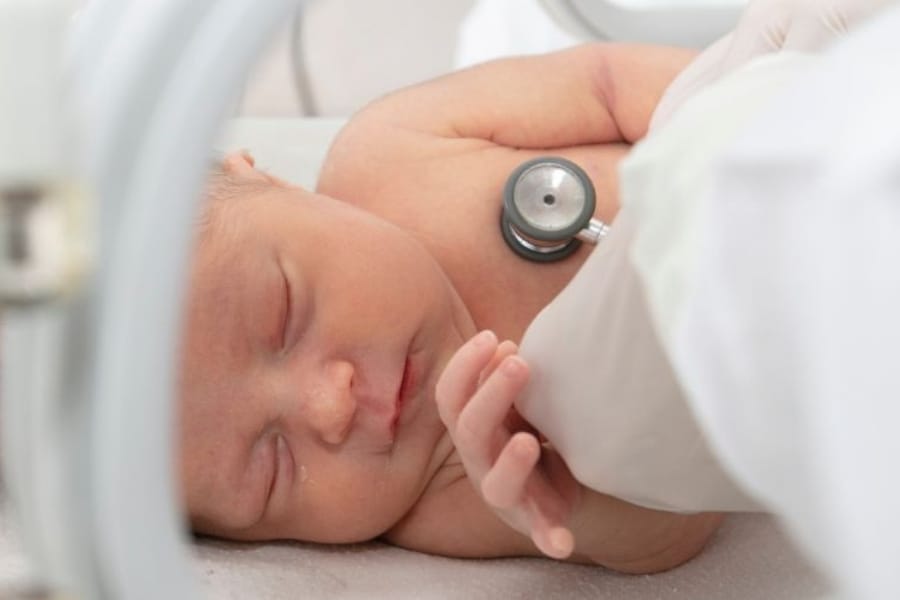
Very preterm babies — infants born two to four months early — require specialized care. Before they can safely go home, they need to spend time in the neonatal intensive care unit (NICU) until their organs are more developed. In the NICU, these babies are exposed to mildly painful procedures, including heel pricks for blood collection, that are essential to closely monitor their health and screen for certain medical conditions. Research shows that exposure to daily pain is associated with poorer behavioural and cognitive outcomes later in life, so hospitals have pain management strategies in place. A common procedure is to give them oral sucrose, a sugar solution.
Dr. Manon Ranger says that scientists are concerned about the lack of data regarding the long-term effects of sucrose on very preterm babies.

“When these babies become toddlers, they may carry with them the behavioural burden of those early interventions and the use of sucrose seems to do nothing to prevent this,” says Dr. Manon Ranger, investigator at BC Children’s Hospital Research Institute (BCCHR) and assistant professor in the School of Nursing at the University of British Columbia. Dr. Ranger and her colleagues have been investigating ways to manage neonatal pain to reduce the impact of these procedures. Their study, recently published in JAMA Network Open, brings important evidence. “A unique finding is that providing sucrose to preterms in the NICU doesn’t reduce these negative effects of pain exposure in the long term.”
For their study, the BCCHR researchers analyzed data from 192 very preterm babies born at 24–32 weeks’ gestation. They were recruited from 2015 to 2019 from three Canadian NICUs, one of which doesn’t use sucrose for procedural pain management. “This was crucial because it allowed us to compare outcomes for children who received sucrose and those who did not, without having to randomly assign infants to different care, as you would in a randomized controlled trial,” says Dr. Mia Mclean, who co-led the study as a postdoctoral researcher at BCCHR under the supervision of Dr. Ruth Grunau.
Dr. Mia Mclean says that sucrose is thought to activate centres of the brain that soften pain, but physiological and neurological pain responses nevertheless happen.

The babies participating in the study attended a follow-up visit at 18 months, when caregivers reported on their children through the Child Behavior Checklist, a well-validated tool to detect behavioural and emotional problems in children and adolescents. In the study, the research team didn’t find any association between the use of sucrose for pain management in early life and behaviours linked to mental health disorders in childhood, such as anxiety and depression.
“We haven’t found evidence that sugar water harms these babies, but it doesn’t seem to protect them either,” says Dr. Ranger, who is co-author in the study.
Because a sugar solution seems to make babies stop crying and not show signs of pain, it has become the worldwide standard of care for acute neonatal pain. “Sucrose is thought to activate centres of the brain that soften pain and release endorphins, a natural pain reliever, but the exact mechanism remains unclear,” says Dr. Mclean, who is now a senior lecturer in the School of Psychology and Neuroscience at Auckland University of Technology, in New Zealand. “Sucrose may stop preterm babies from showing signs of pain, but physiological and neurological pain responses nevertheless happen.”
We haven’t found evidence that sugar water harms these babies, but it doesn’t seem to protect them either.
– Dr. Manon Ranger

In centres that adopt sucrose for pain management, preterms can receive many doses of sugar solution daily during their NICU stay. Additionally, protocols regarding the dosage often vary across hospitals. “As sucrose is not considered a medication, its potential long-term impact hadn’t been studied,” says Dr. Ranger. BCCHR researchers, as well as others around the world, are concerned about the lack of data regarding the long-term effects of sucrose on preterms, particularly because their organs — including the brain — continue to develop at a fast pace after birth.

Behavioural and cognitive outcomes are typically different for babies born very preterm when compared to those born full term, and these differences emerge as early as toddlerhood.
Scientists and clinicians know that behavioural and cognitive outcomes are typically different for babies born very preterm when compared to those born full term. In their study, Dr. Ranger and her colleagues did not identify sucrose as a risk factor for behaviours associated with mental health disorders. However, their findings add to the evidence that greater exposure to pain early in life is indeed associated with poorer behaviours in the long term. This exposure has been linked to internalizing behaviours — a range of negative emotions that are suppressed when coping with stressful situations.
Research on the long-term effects of neonatal pain has been conducted at BCCHR for many years and is well-established under the supervision of Dr. Grunau, with whom Dr. Ranger and I worked closely.
– Dr. Mia Mclean
Very preterm infants may display poorer language, motor, and cognitive development; behaviours associated with autism; attention difficulties; greater anxiety; and depressive symptoms, and these differences emerge as early as toddlerhood. Children who are impacted may, for example, withdraw in new social situations, be more sensitive to light and sound, process information at a different speed, and have more challenges in retaining information for future use. “Research on the long-term effects of neonatal pain has been conducted at BCCHR for many years and is well-established under the supervision of Dr. Grunau, with whom Dr. Ranger and I worked closely. We’ve been investigating early-life events— such as pain and, more recently, sucrose — that might explain these differences,” says Dr. Mclean.
A longstanding goal of many researchers is to understand pain better. Since babies can’t clearly express what they’re feeling — and some signs, including distress and increased heart rate, are not specific to pain — clinicians make decisions based on their professional judgment. Even simple and quick procedures such as removing a tape from the skin could be mildly painful because a baby’s skin is thinner and more fragile than an adult’s. “Preterms react strongly to little things that we adults wouldn’t need medication for and some of them are so sick that they don’t even react, but that doesn’t mean they’re not in pain,” says Dr. Ranger. “They’re sensitive and get distressed easily, so we work to reduce stress by cutting down what is unnecessary.”
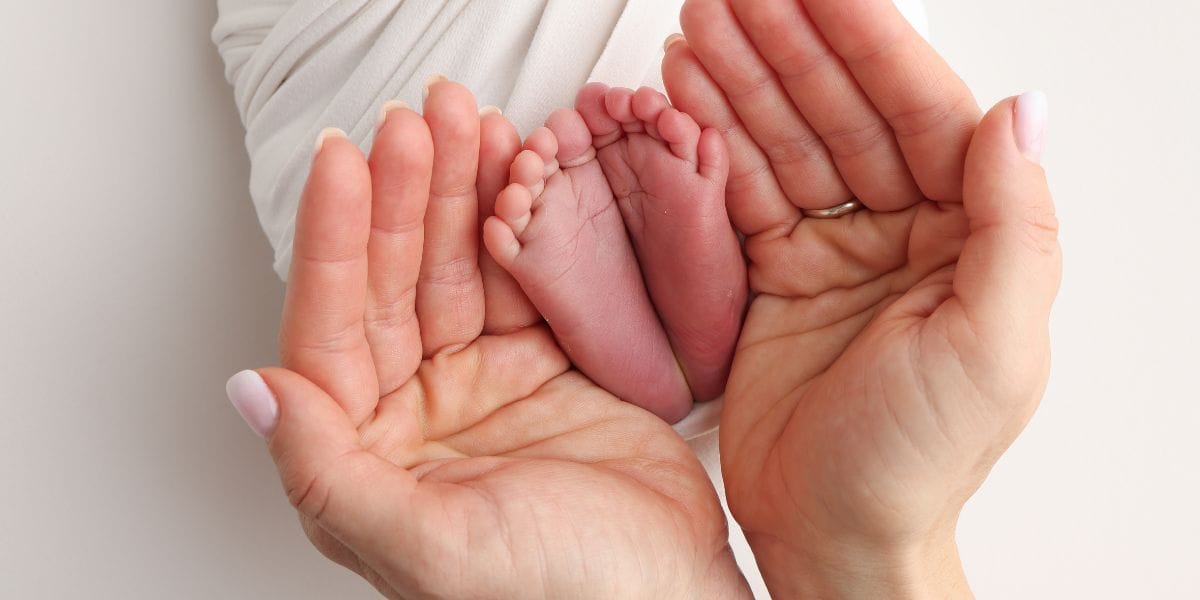
Even simple and quick procedures could be mildly painful for babies because their skin is thinner and more fragile than an adult’s.
There are different alternatives to manage neonatal pain in the NICU and reduce potential long-term impacts. One of them is facilitated tucking, a human touch-based intervention in which the caregiver or a nurse places one hand above the baby’s head while the other cups their feet. Providing light pressure makes the baby feel contained, safe, and calm. “It’s been shown to be effective during painful procedures and at any time,” says Dr. Ranger.
Another well-known pain management method is kangaroo care, the skin-to-skin holding of the baby against the caregiver’s bare chest. “Many studies all over the world have shown that kangaroo care helps relieve pain and stress while promoting overall growth, but it’s not always possible because sometimes babies are very sick and parents might not be able to be with them all the time.”
The research team will continue their work towards identifying the long-term effects of sucrose for pain management on brain development and cognitive outcomes. They aim to better understand the effects of pain, sucrose, and the combination of both on very preterm babies and also how to treat neonatal pain. “We clinicians and researchers are trying everything we can to protect them against the harmful effects of pain so they can grow up healthier and have a good life,” says Dr. Ranger.