
This week, the BC Injury Research and Prevention Unit (BCIRPU) is promoting safe storage of cannabis products to prevent children from consuming them.
While the majority of Canadian parents who use cannabis agree it’s their responsibility to store their cannabis products safely, only one in four do so. That’s one of the many findings of a recent national Ipsos survey commissioned by Parachute, Canada’s national charity dedicated to injury prevention.
The BC Drug and Poison Information Centre reports receiving more than 26,000 calls each year regarding unintentional and intentional poisonings, with cannabis being a factor in nearly 400 injury-related hospitalizations per year.
For Poison Prevention Week, March 21 to 27, BCIRPU is launching a provincial public awareness
campaign on the safe storage of cannabis products, supported by Parachute.
“All cannabis products, including vape pens and other cannabis devices, should be stored out of sight and out of reach, inside a locked cabinet, drawer or safe,” says Dr. Ian Pike, director of the BCIRPU, professor in the department of pediatrics at the University of British Columbia, and investigator with BC Children’s Hospital.
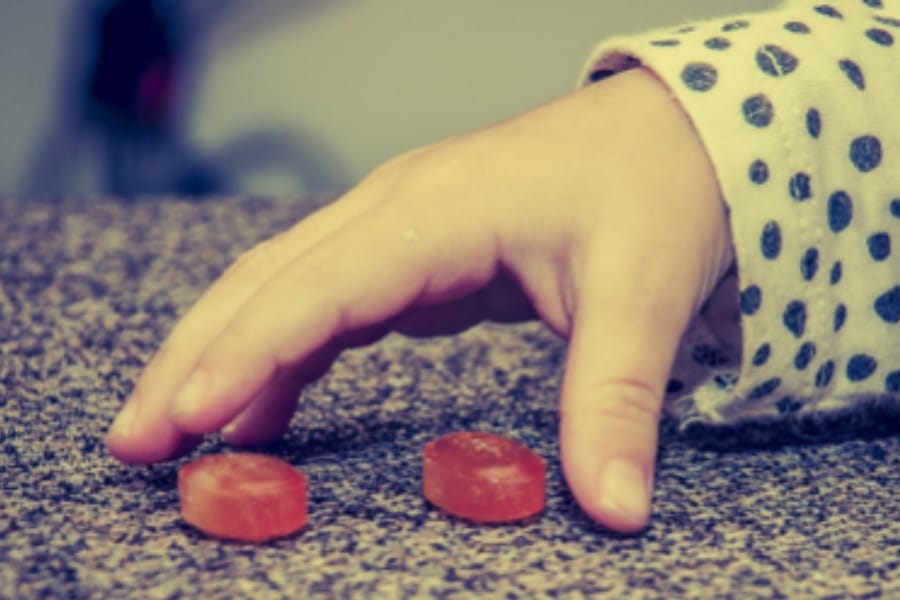
Edible cannabis products are especially tempting to children, as they often resemble sweet treats such as cookies, brownies and gummies. A child may be unable to tell whether the food contains cannabis, and could unknowingly consume a large amount of the substance. Due to their small body size and weight, children are more vulnerable to cannabis poisoning and more sensitive to the psychoactive chemicals in cannabis. Edible cannabis, in particular, can have a stronger, more prolonged effect on the body than other forms. Ingestion of cannabis is the most common cause of cannabis poisoning among children.
Ipsos also found that only 40 per cent of parents surveyed knew the poison control resources in their area.
“Remember to keep the BC Poison Control Centre phone number (1-800-567-8911) stored in your cellphone or in a visible location, such as on your fridge,” Pike recommends.
Check out our Poison Prevention Week resources on our website.