
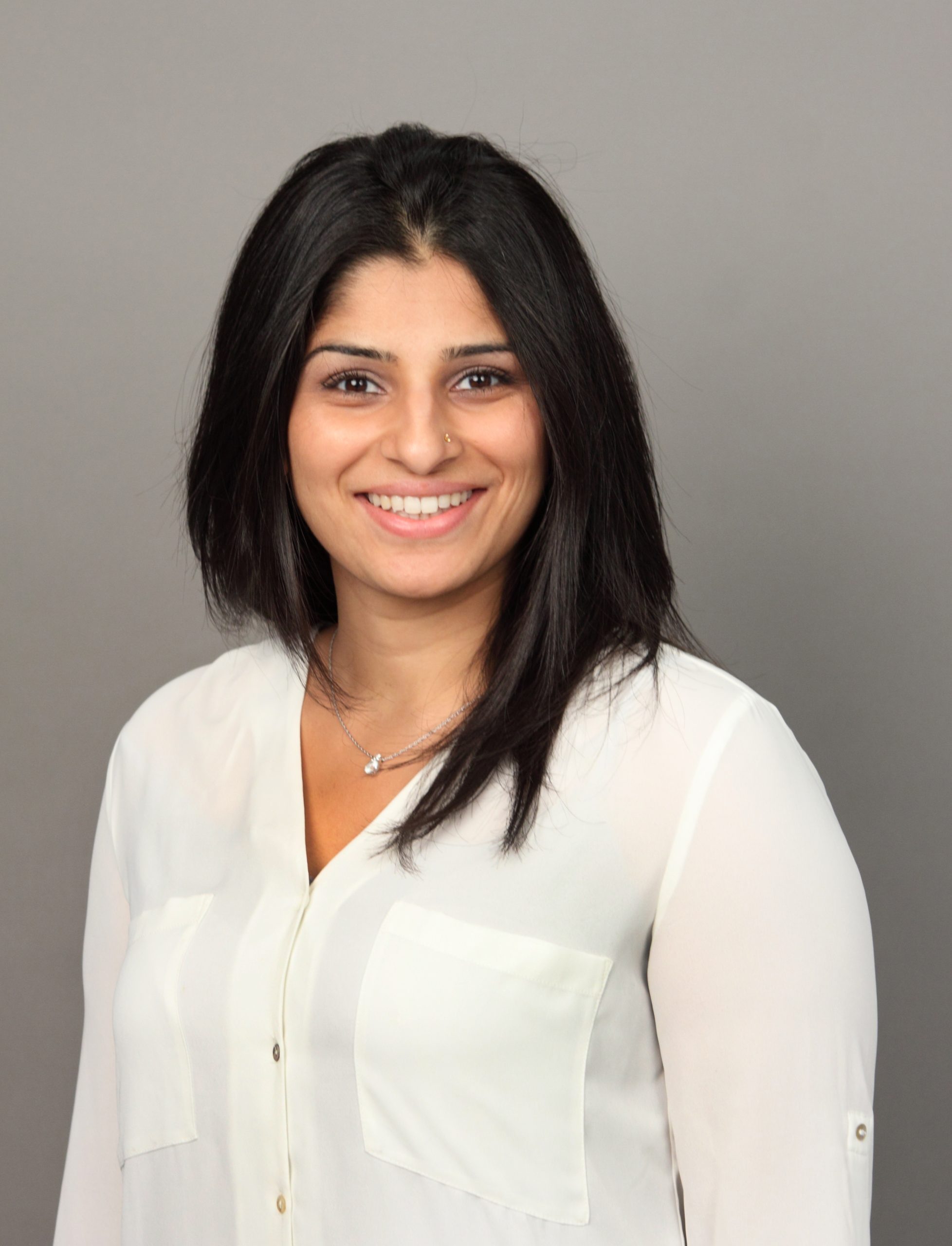
Sandy Tatla
BSc, MSc, MOT
Investigator, BC Children's Hospital
Patient Education and Counseling
Fung, A. and Howard, D. and Nichol, H. and Irvine, M.A. and Zhang, Q. and Bone, J.N. and Glackin, S. and Felgar, E. and Tatla, S. and Hursh, B.E.
DOI: 10.1016/j.pec.2024.108205Journal of Interprofessional Care
Tatla, S.K. and Howard, D. and Antunes Silvestre, A. and Burnes, S. and Husson, M. and Jarus, T.
DOI: 10.1080/13561820.2017.1336990European Journal of Paediatric Neurology
Schiariti, V. and Tatla, S. and Sauve, K. and O'Donnell, M.
DOI: 10.1016/j.ejpn.2016.10.007Research in Developmental Disabilities
Tatla, S.K. and Holsti, L. and Andrews, G.S. and Feichtinger, L. and Steele, R. and Siden, H.
DOI: 10.1016/j.ridd.2017.10.001JMIR Serious Games
Sandy K Tatla and Navid Shirzad and Keith R Lohse and Naznin Virji-Babul and Alison M Hoens and Liisa Holsti and Linda C Li and Kimberly J Miller and Melanie Y Lam and HF Machiel Van der Loos
DOI: 10.2196/games.340103 / 2015
JMIR rehabilitation and assistive technologies
Lam MY and Tatla SK and Lohse KR and Shirzad N and Hoens AM and Miller KJ and Holsti L and Virji-Babul N and Van der Loos HFM
DOI: 10.2196/rehab.3484 PubMed: 2858223602 / 2015
Canadian Journal of Occupational Therapy
Tatla, S.K. and Jarus, T. and Virji-Babul, N. and Holsti, L.
DOI: 10.1177/0008417414556884Disability and Rehabilitation: Assistive Technology
Glegg, S.M.N. and Tatla, S.K. and Holsti, L.
DOI: 10.3109/17483107.2013.799236Brain Injury
Tatla, S.K. and Sauve, K. and Jarus, T. and Virji-Babul, N. and Holsti, L.
DOI: 10.3109/02699052.2014.890747PLoS ONE
Lohse, K.R. and Hilderman, C.G.E. and Cheung, K.L. and Tatla, S. and Van Der Loos, H.F.M.
DOI: 10.1371/journal.pone.0093318Developmental Neurorehabilitation
Tatla, S.K. and Radomski, A. and Cheung, J. and Maron, M. and Jarus, T.
DOI: 10.3109/17518423.2012.740508Developmental Medicine and Child Neurology
Tatla, S.K. and Sauve, K. and Virji-Babul, N. and Holsti, L. and Butler, C. and Van Der Loos, H.F.M.
DOI: 10.1111/dmcn.12147Technology and Disability
Cheung, J. and Maron, M. and Tatla, S. and Jarus, T.
DOI: 10.3233/TAD-130383FEATHERS is unique collaboration amongst UBC researchers, graduate students in engineering, Physical Therapy, Occupational Science and Occupational Therapy, and Kinesiology and therapists and patients/families from two community rehabilitation centers. The objective of FEATHERS is to develop social gaming programs, supported by upper-limb robotics, that will enable and motivate children with cerebral palsy, and older adults after stroke to engage in upper extremity home rehabilitation. The impetus is the mounting evidence that although intensive repetitive therapy is required to stimulate neuroplastic changes in the motor control system most patients do not undertake a sufficient number of repetitions of these tasks in their therapy or home training sessions. The FEATHERS team has completed focus groups, usability testing and is currently trialing this therapeutic approach with participants in the community.
Pediatric rehabilitation involves working together with children and families to achieve child specific rehabilitation outcomes. Aquatic therapy is a unique intervention as it is done in an environment that can be familiar, natural, and enjoyable. Limited evidence is available regarding the effectiveness of aquatic therapy for rehabilitation, pointing to the need for research in this area. This qualitative study provides novel information about parents’ perceptions regarding the influence of aquatic therapy on their child's rehabilitation.
Type 1 diabetes (T1D) is a lifelong condition that requires constant self-management, family support and supervision, ongoing learning, and medical support from a multidisciplinary healthcare team. Coaching is an approach which encourages families to actively engage in behaviour change to improve health and quality of life. This study will compare the effects of frequent telephone coaching for parents of children with T1D with routine care or frequent telephone contact (without coaching) on the following outcomes: 1) the child’s daily care, 2) health related quality of life, 3) diabetes-related family conflict, and 4) blood glucose control.
Margaret Hood Leadership Award (2013)
Child & Family Research Institute Graduate Studentship (2012)
Margaret Hood Leadership Award (2012)
Every day, our researchers work towards breakthroughs to transform the lives of kids in BC and around the world. Learn about our latest innovations and advancements in child health.

Sandy Tatla is the director of new knowledge and innovation across BC Children’s Hospital and BC Women’s Hospital + Health Centre. She and her team help foster a culture of organizational learning. They support nurses, allied health professionals, and physicians to best accomplish their work through ongoing training, education, and professional development.
At BC Children’s, we are making discoveries that save lives and transform health care for children in our province and around the world. Our research portfolio includes basic, clinical, population, and public health research.
EXPLORE OUR RESEARCH